


La Fageda (Beech wood)
The “Fageda d’en Jordà” is an exceptional beech forest that grows on a flat and sits on a lava flow from the volcano Croscat, which offers a rugged, with abundant prominences very characteristics that may reaching more than 20 meters high and are called local tossols. Part of the Garrotxa Volcanic Zone Natural Park. It is located in the Garrotxa region, near the neck and San Miguel de Batlle Sacot (XI century Romanesque church) and plan Sacot and the hill of Bassols is at the southwestern flank of the volcano Santa Margarita . The Beech is surrounded by much of twenty-one volcanoes are in the Garrotxa region (Girona, Catalonia).
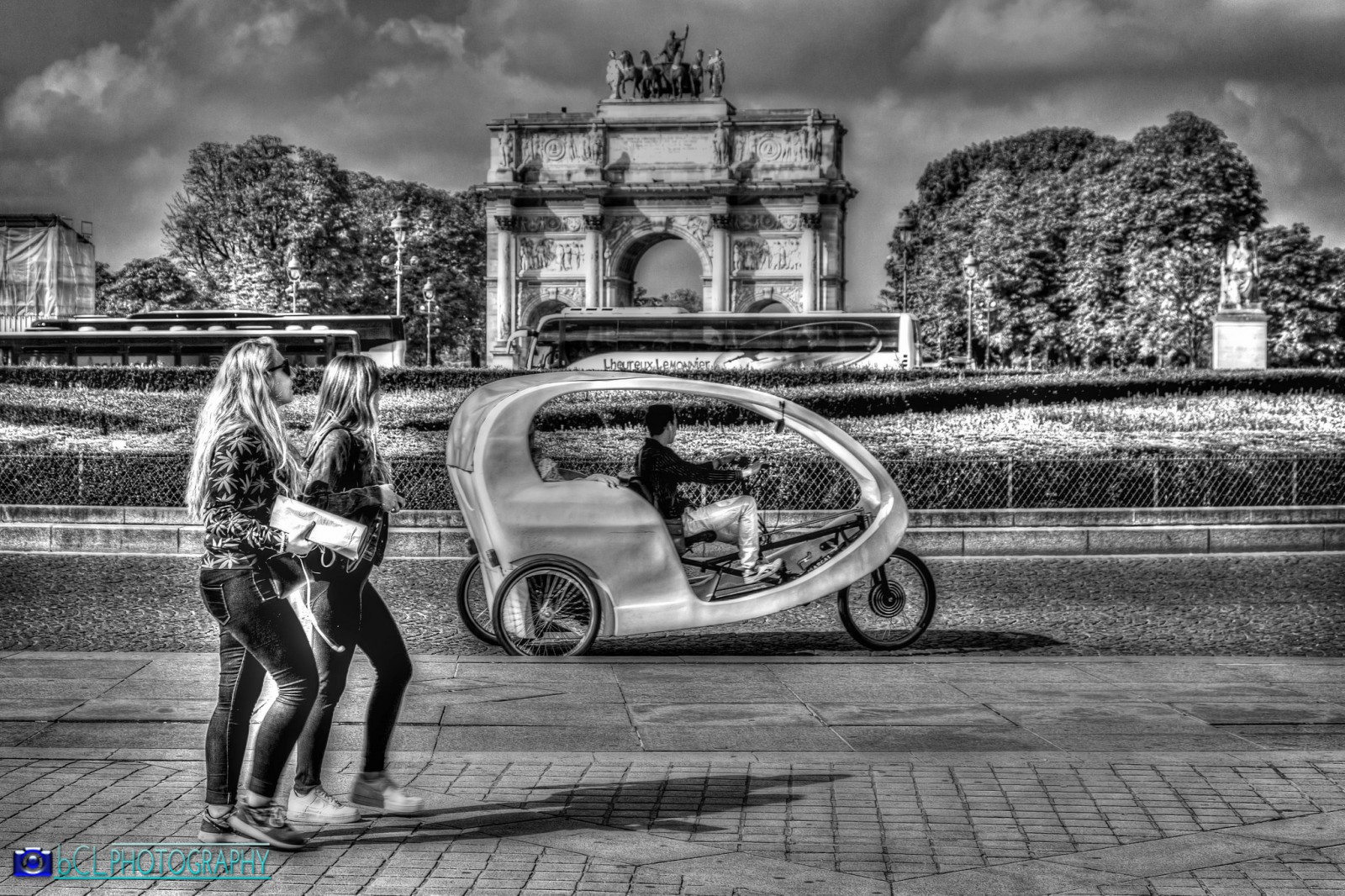

walking Paris
The best way to visit Paris is to walk, certainly have to walk far, but only in this way we can know the heart of this amazing city. We can see the buildings, parks, meet the people who live and work there. Paris is alive, proof that a city can love the features of the contemporary world without forgetting its past.


Jellyfish
Jellyfish or jellies are the major non-polyp form of individuals of the phylum Cnidaria. They are typified as free-swimming marine animals consisting of a gelatinous umbrella-shaped bell and trailing tentacles. The bell can pulsate for locomotion, while stinging tentacles can be used to capture prey.
Jellyfish are found in every ocean, from the surface to the deep sea. Scyphozoans are exclusively marine, but some hydrozoans live in freshwater. Large, often colorful, jellyfish are common in coastal zones worldwide. Jellyfish have roamed the seas for at least 500 million years, and possibly 700 million years or more, making them the oldest multi-organ animal.
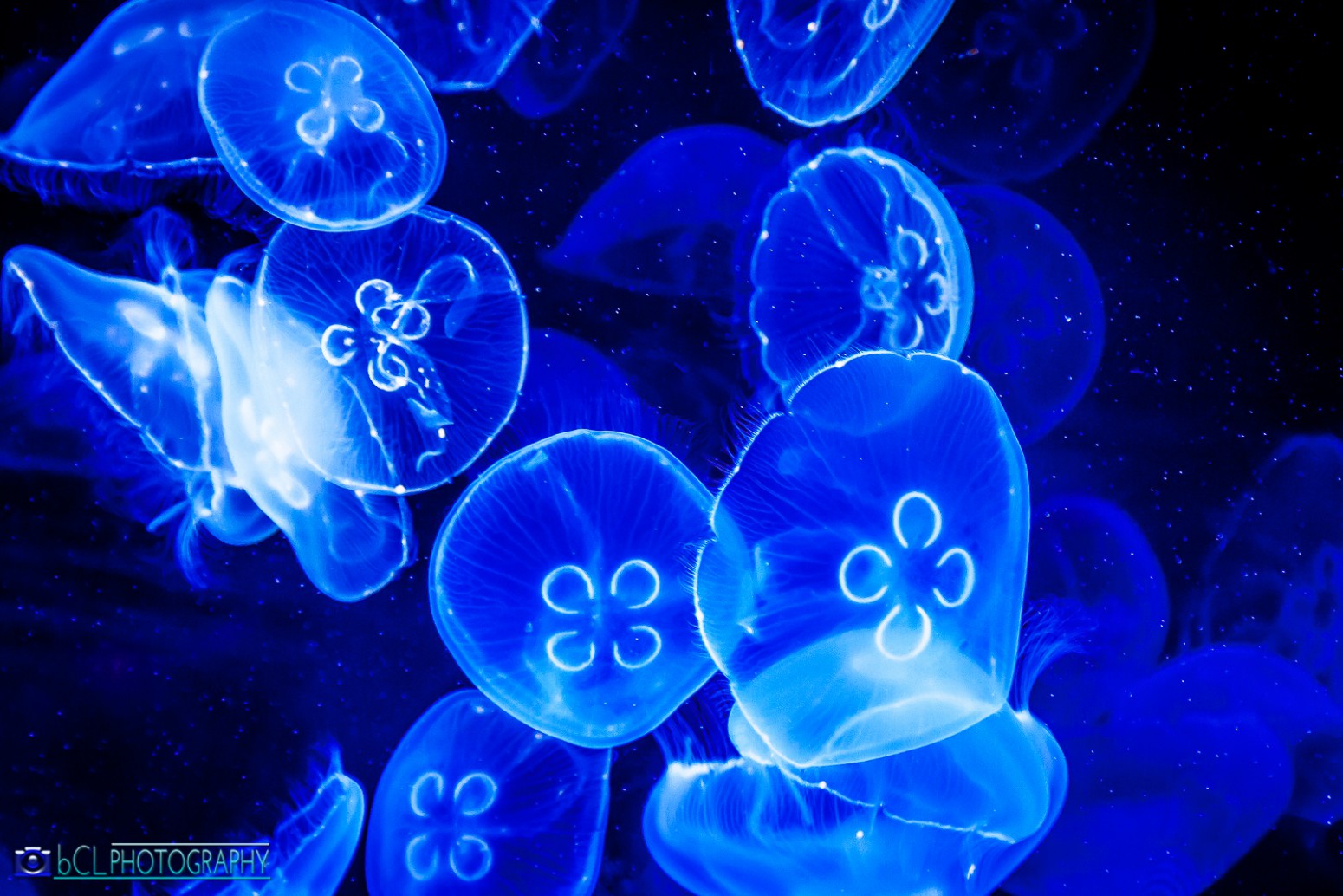
Jellyfish


Golden pharaoh at Harrods. London
Harrods is one of the world’s largest and most famous department stores located on Brompton Road in Knightsbridge, in the Royal Borough of Kensington and Chelsea, London. With more than a million square feet (90,000 sq m) of space, making it the biggest department store in Europe.
Harrods sells luxury and everyday items across seven floors and 330 departments. The Knightsbridge store was established in 1849 by Charles Henry Harrod and rebuilt to its current design after a fire in 1880.
Mr Al Fayed bought Harrods with his brother in 1985. Mr Al Fayed also added his own personal touches to the store, such as the Egyptian Room, which is adorned with several busts of himself.
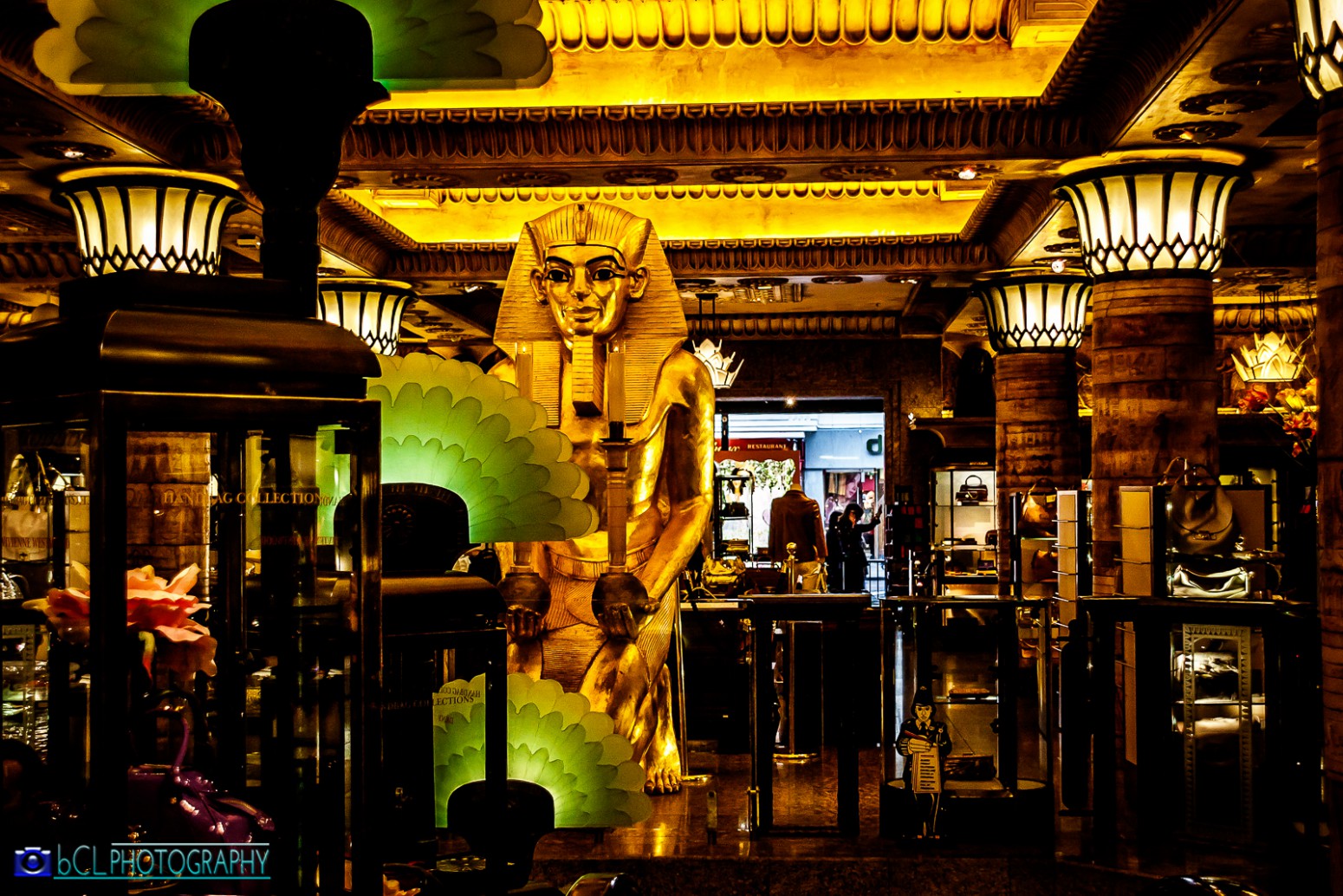
Golden pharaoh at Harrods. London
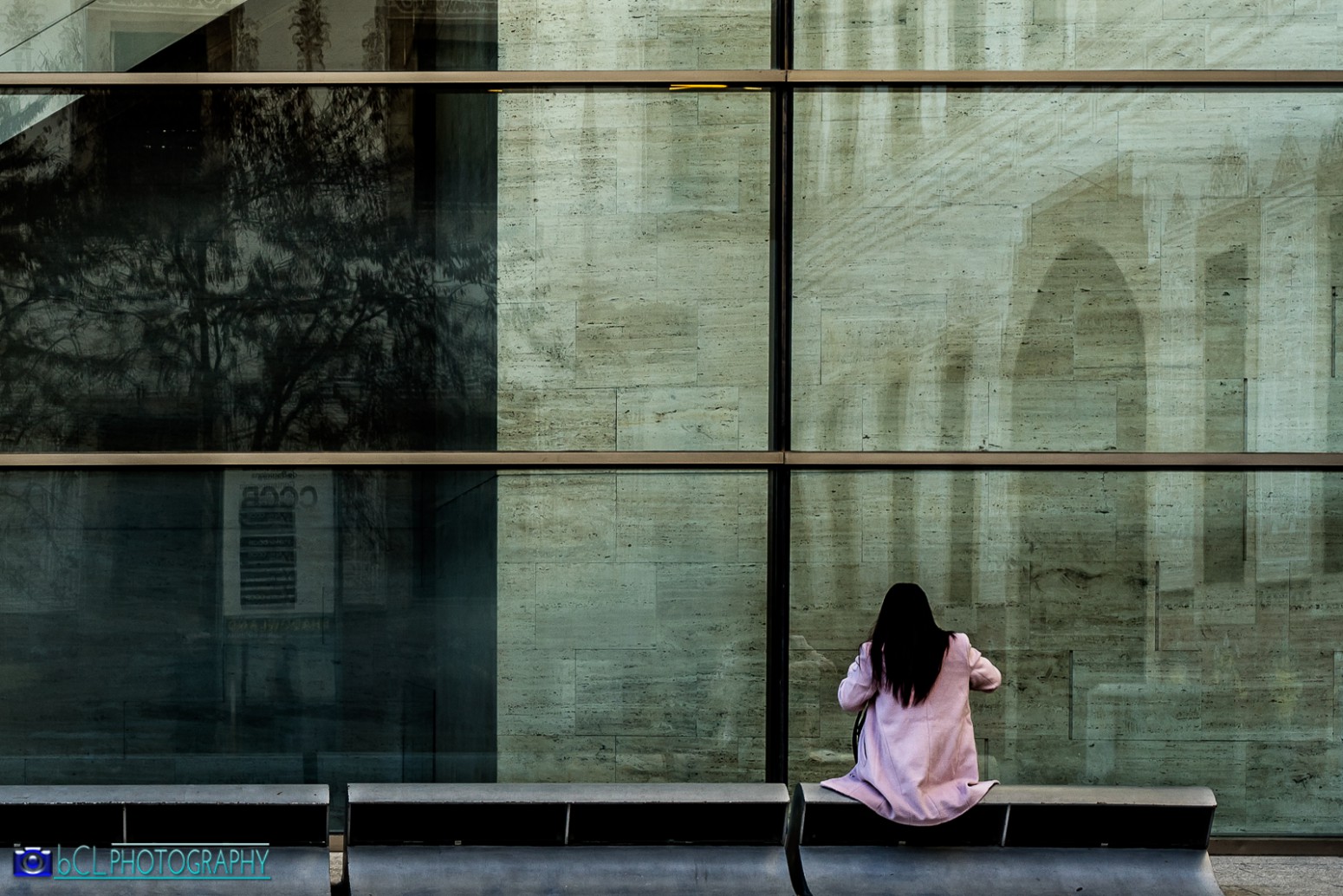

Reflections in the mirror
The photos were taken a cold winter afternoon in the courtyard of the Center of Contemporary Culture of Barcelona (CCCB).
This is the HDR version:

Reflections in the mirror
Location:
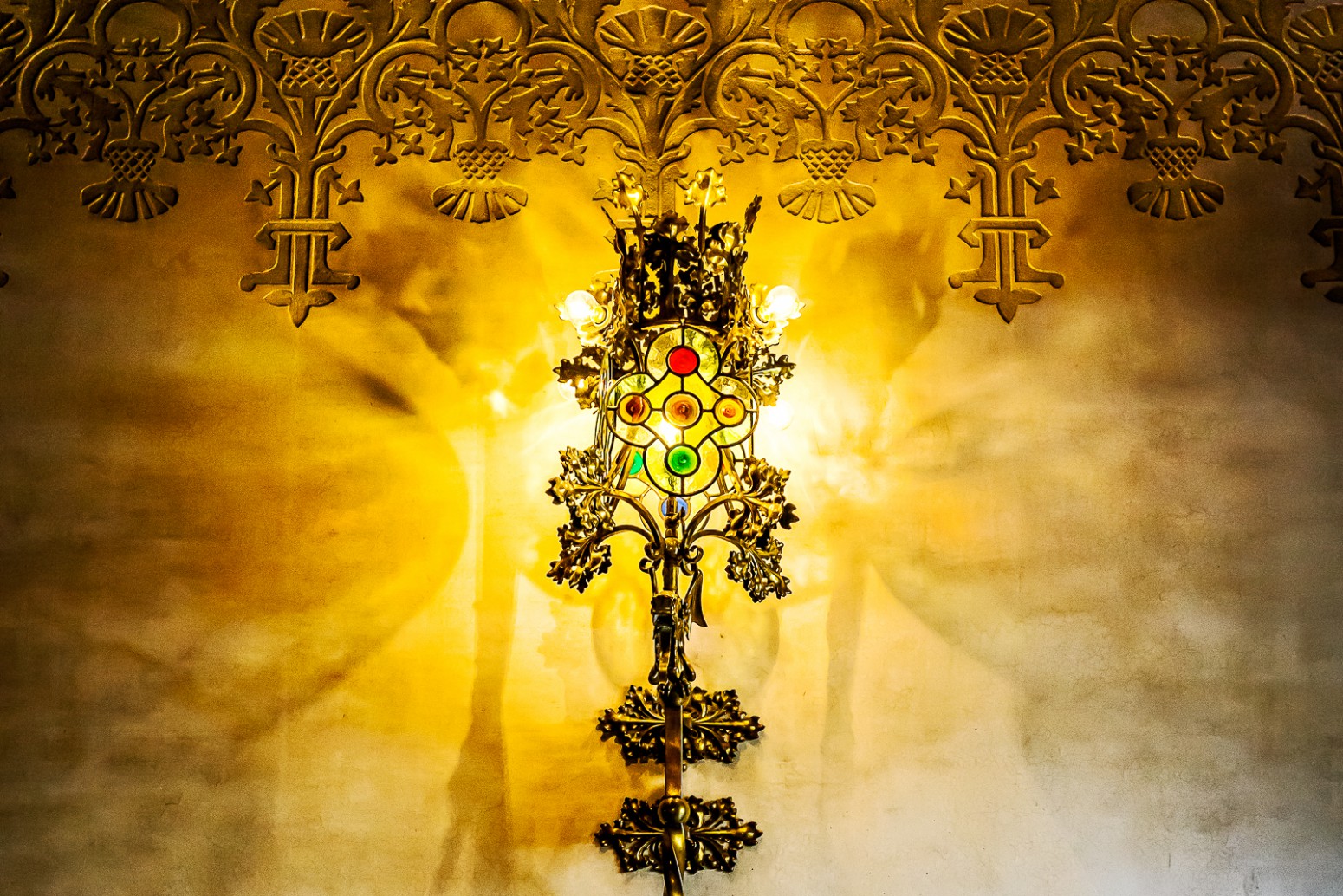

Casa Amatller. Lamp
Casa Amatller is a building in the Modernisme style in Barcelona, designed by Josep Puig i Cadafalch. Along with Casa Batlló and Casa Lleó-Morera, it makes up the three most important buildings in Barcelona’s famous Illa de la Discòrdia (“Block of Discord”), noted for its unique modernist buildings. The building was originally designed as a residence for chocolatier Antoni Amatller and was constructed between 1898 and 1900. Wikipedia Soon I will make a complete photo report of this gem of the called Catalan modernism.
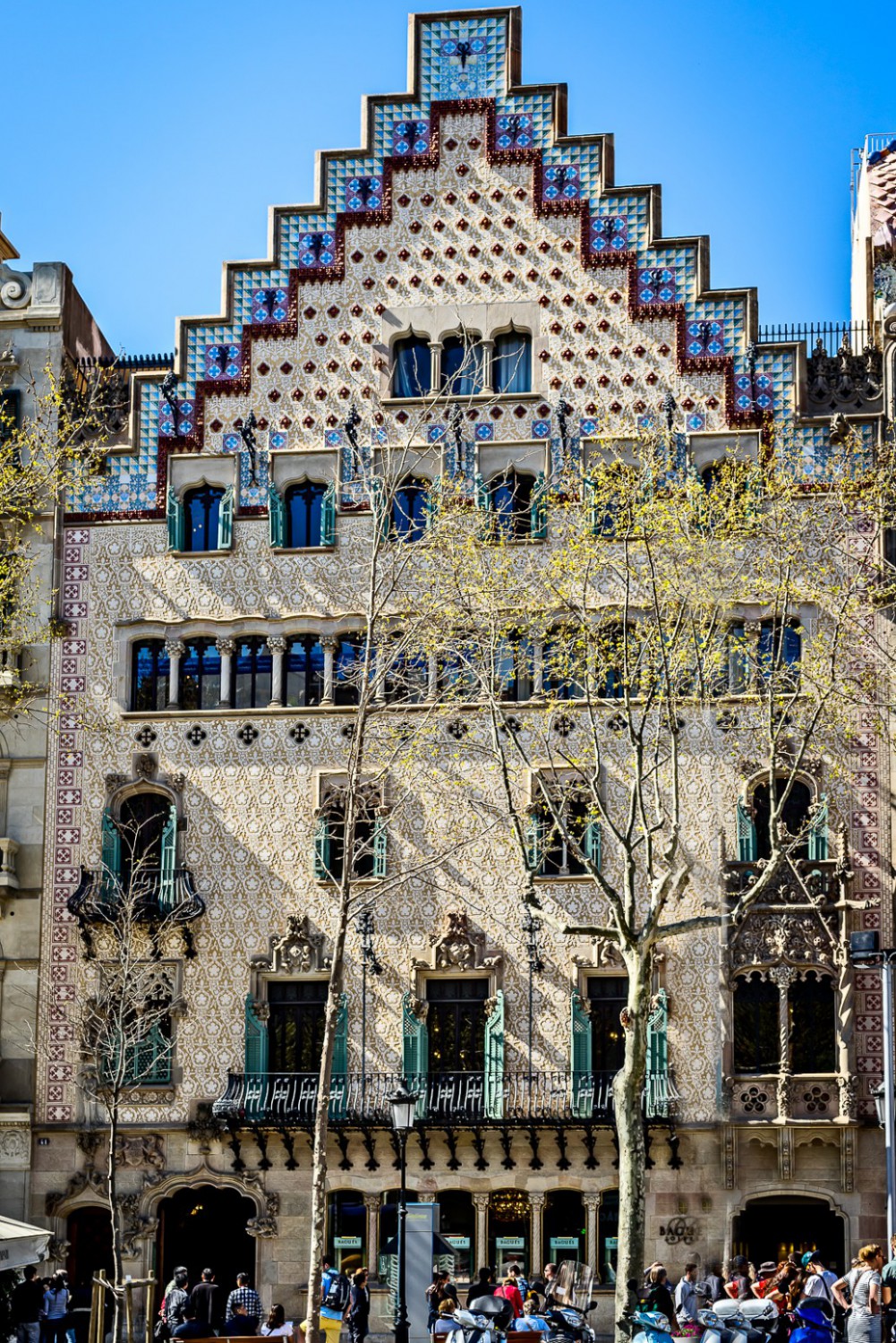
Casa Amatller

Casa Amatller. Courtyard
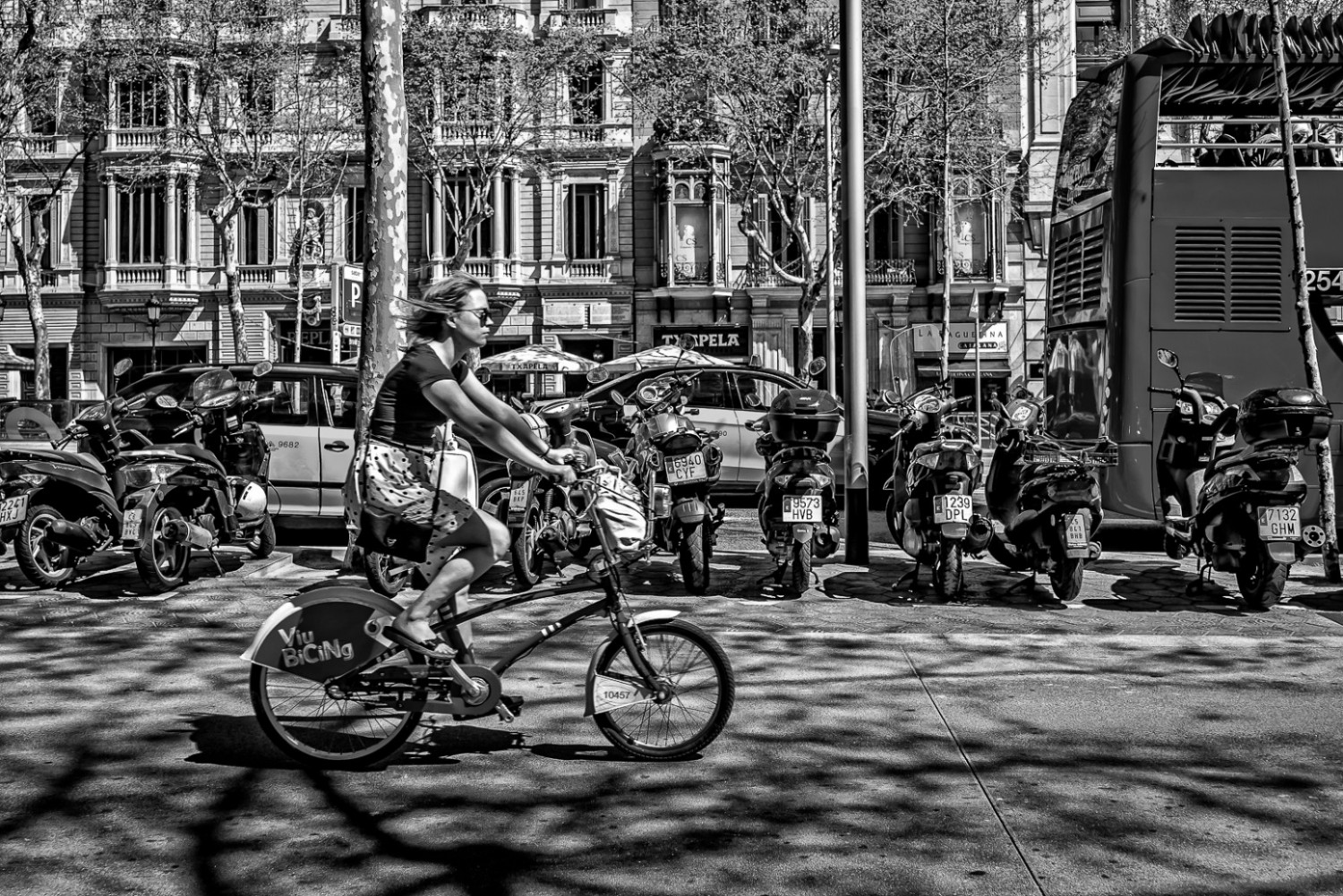

Girl on bike. Barcelona
Today featured this photo in three different versions: monochrome , HDR monochrome and color. I can’t decide what is the one I like…

Girl on bike. Barcelona

Girl on bike. Barcelona
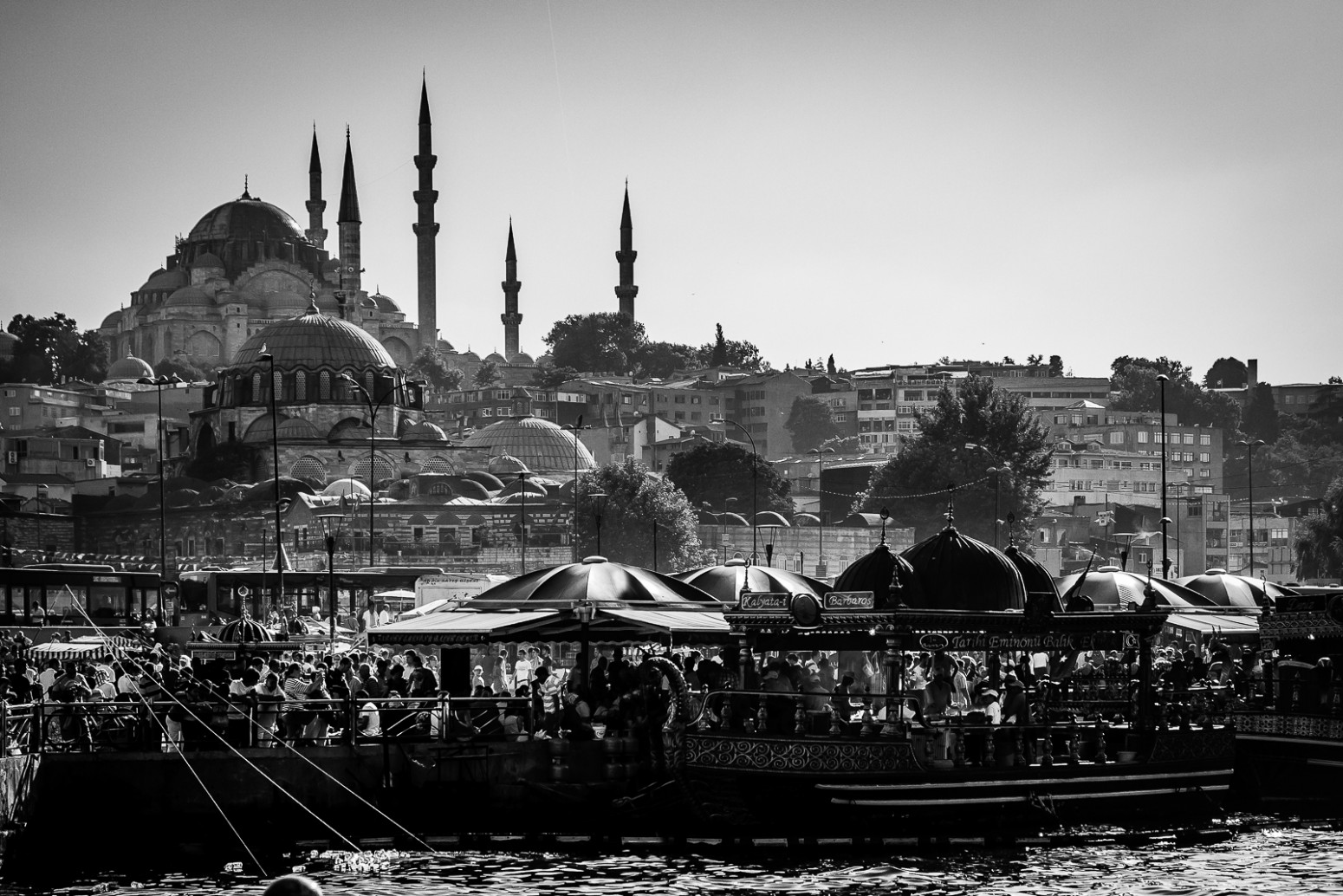

Istanbul Harbour
This is a view of the Istanbul Harbour as you can see today. There is a project to revitalize the harbour. The idea of the project was to create so-called attractors and to locate them directly at the waterfront. These attractors incorporate the already existing Haydarpasa trainstation, a new museum, an expansion of the existing harbor building and a new congress centre which includes hotels and other programs. Works that will modernize the port but will make lose all its taste.

Istanbul Harbour


Port Vell. Barcelona. Night view
This is my last photo for this magnificent challenge. Triumph and Contrast
Thank you to Photo101 for the course. It has been a busy month but I would start again. And thanks to all the participants for their support, I learned a lot with all.

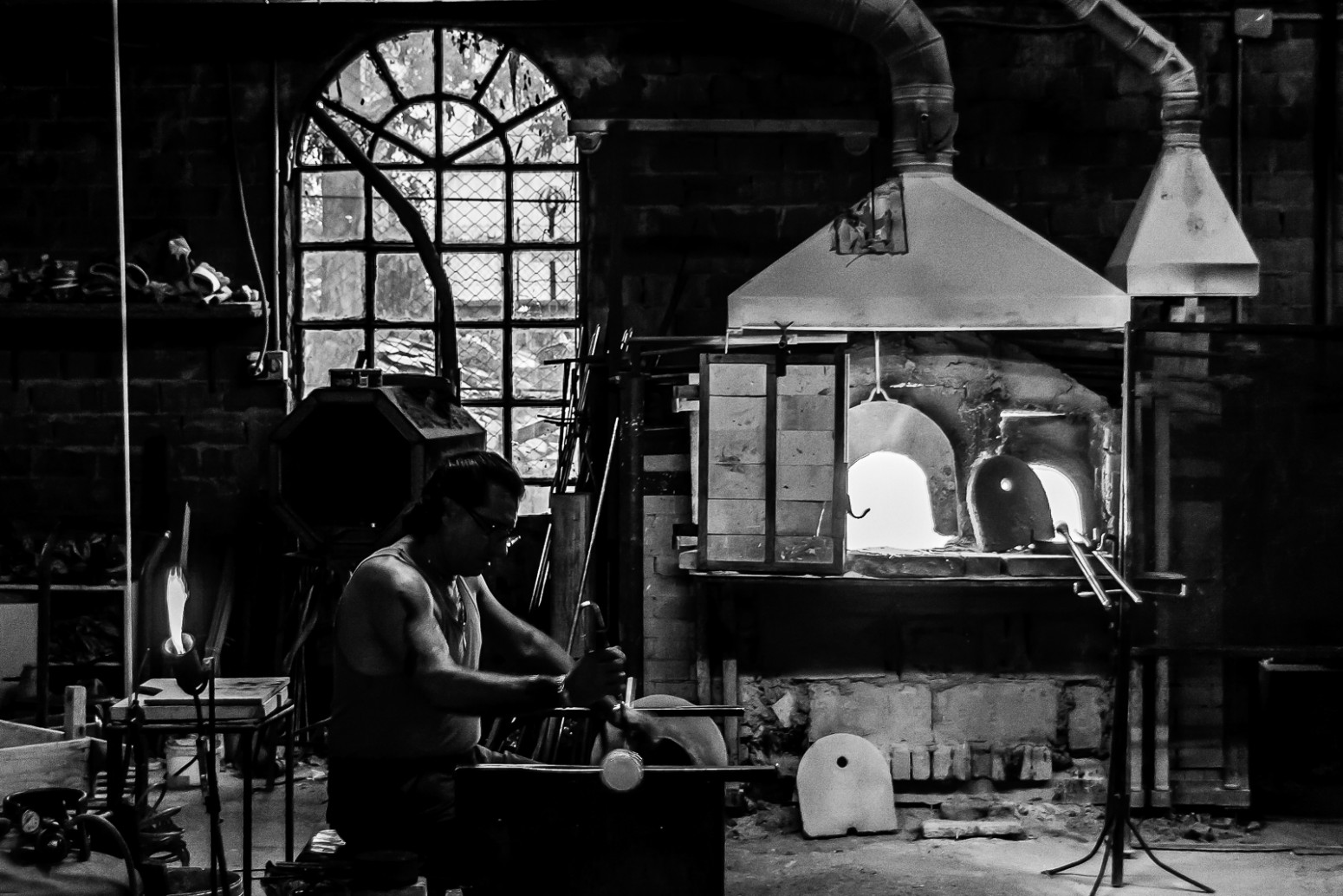
Murano glass worker
Murano glass is glass made on the Venetian island of Murano, which has specialized in fancy glasswares for centuries. Murano’s glassmakers led Europe for centuries, developing or refining many technologies including crystalline glass, enamelled glass (smalto), glass with threads of gold (aventurine), multicolored glass (millefiori), milk glass (lattimo), and imitation gemstones made of glass. Today, the artisans of Murano are still employing these centuries-old techniques, crafting everything from contemporary art glass and glass figurines to Murano glass chandeliers and wine stoppers, as well as tourist souvenirs.
Today, Murano is home to a vast number of factories and a few individual artists’ studios making all manner of glass objects from mass marketed stemware to original sculpture. The Museo del Vetro (Glass Museum) in the Palazzo Giustinian houses displays on the history of glassmaking as well as glass samples ranging from Egyptian times through the present day.
Here I have used different treatments to edit the B&W photographies:

Murano glass worker
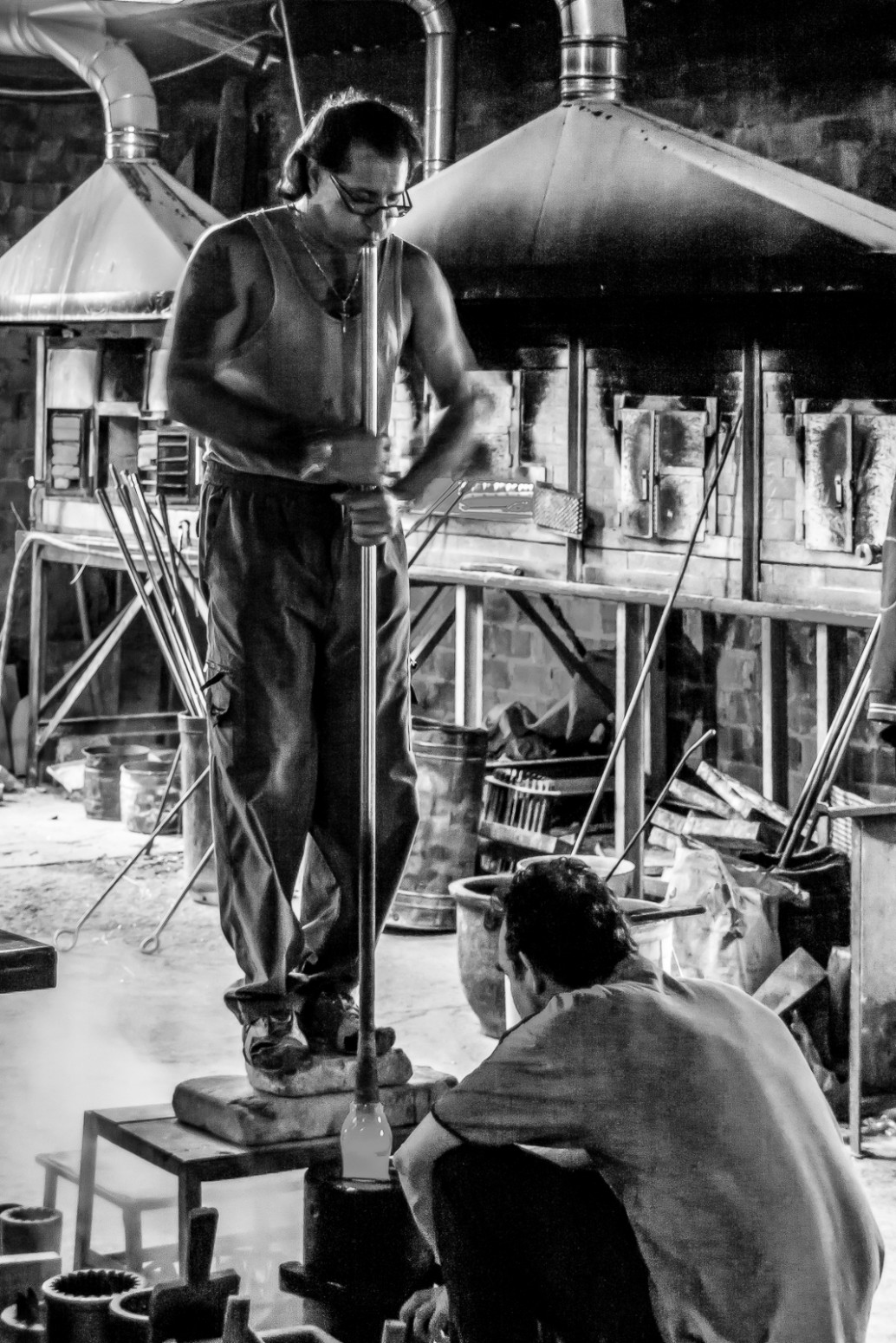
Murano glass workers


Bahnhof Potsdamer Platz. Berlin
Berlin Potsdamer Platz is a railway station in Berlin. It is completely underground and situated underneath the Potsdamer Platz in central Berlin. Regional and S-Bahn services call at the station.
The first station at Potsdamer Platz was the Potsdamer Bahnhof terminus, which was closed on 27 September 1945 due to war damage. The S-Bahn station, situated in the Nord-Süd-Tunnel, was situated directly under the Berlin Wall and became a ghost station between 1961 and 1989.
The station was extensively remodeled and rebuilt in the 1990s.


Berlin bridge
Day Eighteen: Edge & Alignment
This is my point of view of the “edge challenge”.
This is a bridge seen in Berlin.
















 bCL Photography