



Harley-Davidson
I like all motorbikes or motorcycles, and I’ve done thousands of miles in them. One of the most charismatic is the Harley-Davidson.
Harley-Davidson Inc, often abbreviated H-D or Harley, is an American motorcycle manufacturer. Founded in Milwaukee, Wisconsin, during the first decade of the 20th century, it was one of two major American motorcycle manufacturers (Indian being the other) to survive the Great Depression. Harley-Davidson also survived a period of poor quality control and competition from Japanese manufacturers.
From 1977 to 2014 the only motorcycles sold to the public under the Harley-Davidson brand were heavyweight cruiser motorcycles, with engine displacements greater than 700 cc. Harley-Davidson motorcycles, or “Harleys”, are noted for the tradition of heavy customization that gave rise to the chopper style of motorcycle. Except for the modern VRSC and Street model families, current Harley-Davidson motorcycles reflect the styles of classic Harley designs. While Harley-Davidson’s attempts to establish itself in the light motorcycle market have met little success and have largely been abandoned since the 1978 sale of its Italian Aermacchi subsidiary, the company re-entered the middleweight market in 2015 with its Street series of motorcycles.
More info in Wikipedia

Harley-Davidson


Lines
Lines

Édouard Manet (1832 – 1883), was a French painter. He was one of the first 19th-century artists to paint modern life, and a pivotal figure in the transition from Realism to Impressionism.
The notion of line or straight line was introduced by ancient mathematicians to represent straight objects (i.e., having no curvature) with negligible width and depth. Lines are an idealization of such objects.
Until the seventeenth century, lines were defined like this: “The [straight or curved] line is the first species of quantity, which has only one dimension, namely length, without any width nor depth, and is nothing else than the flow or run of the point which […] will leave from its imaginary moving some vestige in length, exempt of any width. […] The straight line is that which is equally extended between its points”
Euclid described a line as “breadthless length” which “lies equally with respect to the points on itself”.
More info: Wikipedia


Colored pencils
A colored pencil, coloured pencil or pencil crayon is an art medium constructed of a narrow, pigmented core encased in a wooden cylindrical case. Unlike graphite and charcoal pencils, colored pencils’ cores are wax-based and contain varying proportions of pigments, additives, and binding agents. Oil-based, water-soluble and mechanical colored pencils are also manufactured.
The use of wax-based mediums in crayons is well-documented and can be traced back to the Greek Golden Age. Wax-based materials have appealed to artists for centuries due to their resistance to decay, the vividness and brilliance of their colors, and their unique rendering qualities. Although colored pencils had been used for “checking and marking” for decades prior, it was not until the early 20th century that artist-quality colored pencils were produced. Manufacturers that began producing artist-grade colored pencils included Faber-Castell and Caran d’Ache in 1924.
More in Wikipedia


Sewing Machine

Machinery (4)
Like almost every Friday, we return to the machinery.
Again revisiting a subject of which I spoke, the Sewing Machine.
I have nothing to do with sewing machines, as some have suggested, but I was lucky to visit a museum about the history of the textile industry in the last century and I could take some pictures 🙂

Sewing Machine


friend playing guitar
Thanking today Peter Watkins for his poem.
Guitar
Fingers like darts,
akin to fireflies,
zipping up and down, creating art,
along the fret board so the tune never dies.
Never stopping, undying,
Through the air, the notes are flying.
Striking out a barre,
slipping into a scale,
plucking the strings, in a swift flurry to blind like a star,
a needle sewing a tapestry that will fail to grow frail.
Never forgotten, undying,
Through your ears, the notes are caressing.
Until the plucking,
becomes part of you,
a song in the back of your mind, soothing your sighing,
coming to surface whenever your troubles come to face you.
Always remaining, undying,
Through your heart, the notes are building…
Until they’re ready to be let free.
Through violence, passion, creativity? It’s not up to me!


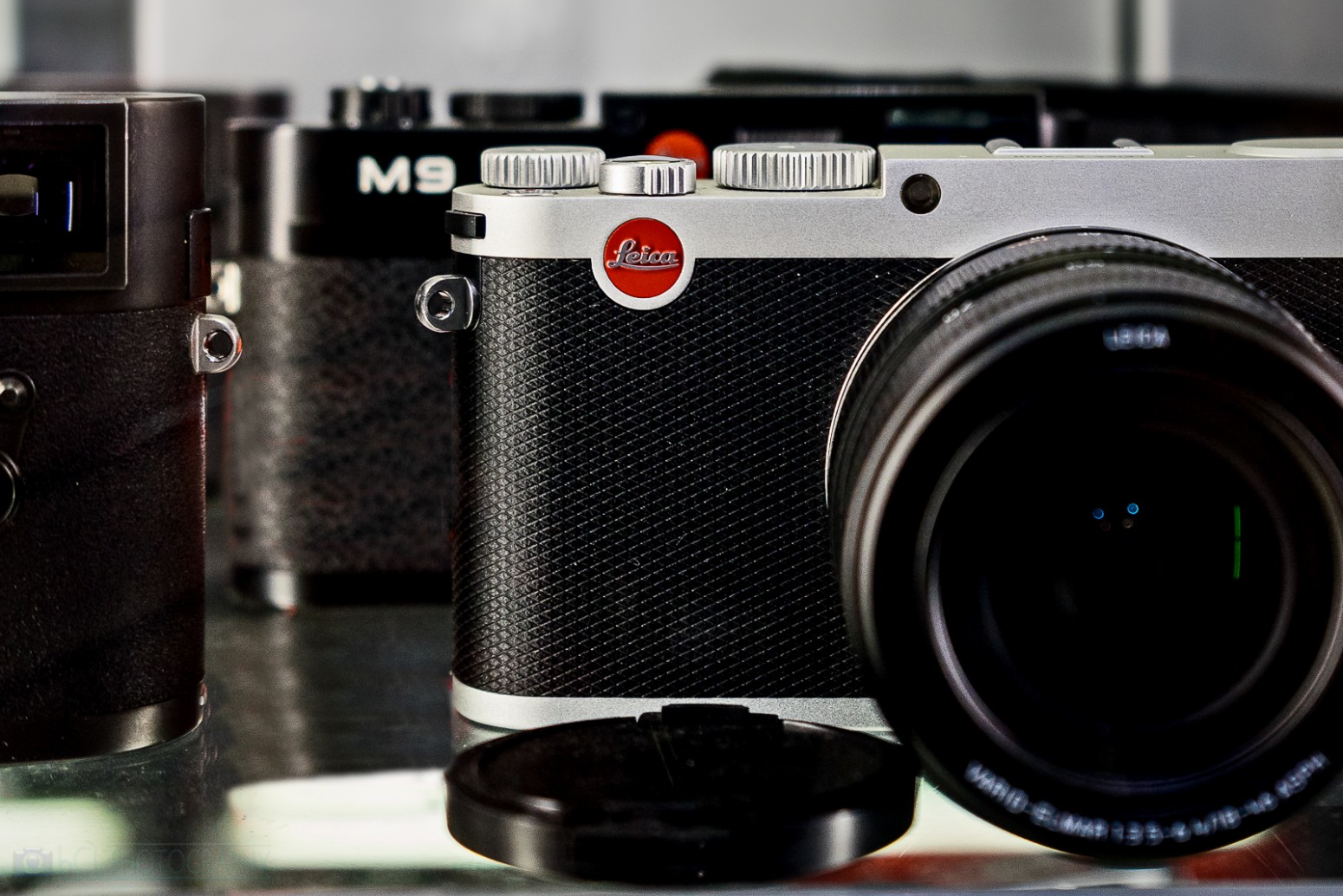
Leica
I have been nominated by the friend Roy, a fine blogger and photographer, in a challenge to post my three favorite quotes, one each for three consecutive days. I’ve sportively accepted: I’ll post three of the most interesting quotes I remember. Thanks Roy for the nomination!
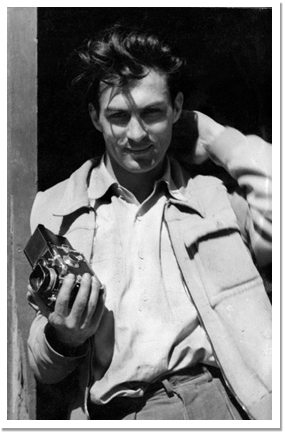 Today, a quote about photography by Ernst Haas (1921–1986), acclaimed as one of the most celebrated and influential photographers of the 20th century and considered one of the pioneers of color photography.
He thought “the camera only facilitates the taking. The photographer must do the giving in order to transform and transcend ordinary reality”:

With each post I must nominate three bloggers for the challenge.
Today are nominated:
- Melinda from Looking for the Light and Survivors blog here, great photographer and blogger. As she says, a warrior. I would add, a survivor with an encouraging history.
- Nia from “Photography of Nia”, niaART, Passages and many more. She is a great photographer, painter, writer and impressive blogger. She works hard everyday on her blogs. She loves cats, trees and birds, beautiful people, art world, photography and her camera.
- Ruchi from Come Travel Along. As she says, dreamer, travel enthusiast, working woman and a wife. A stunning photographer and blogger you must follow.
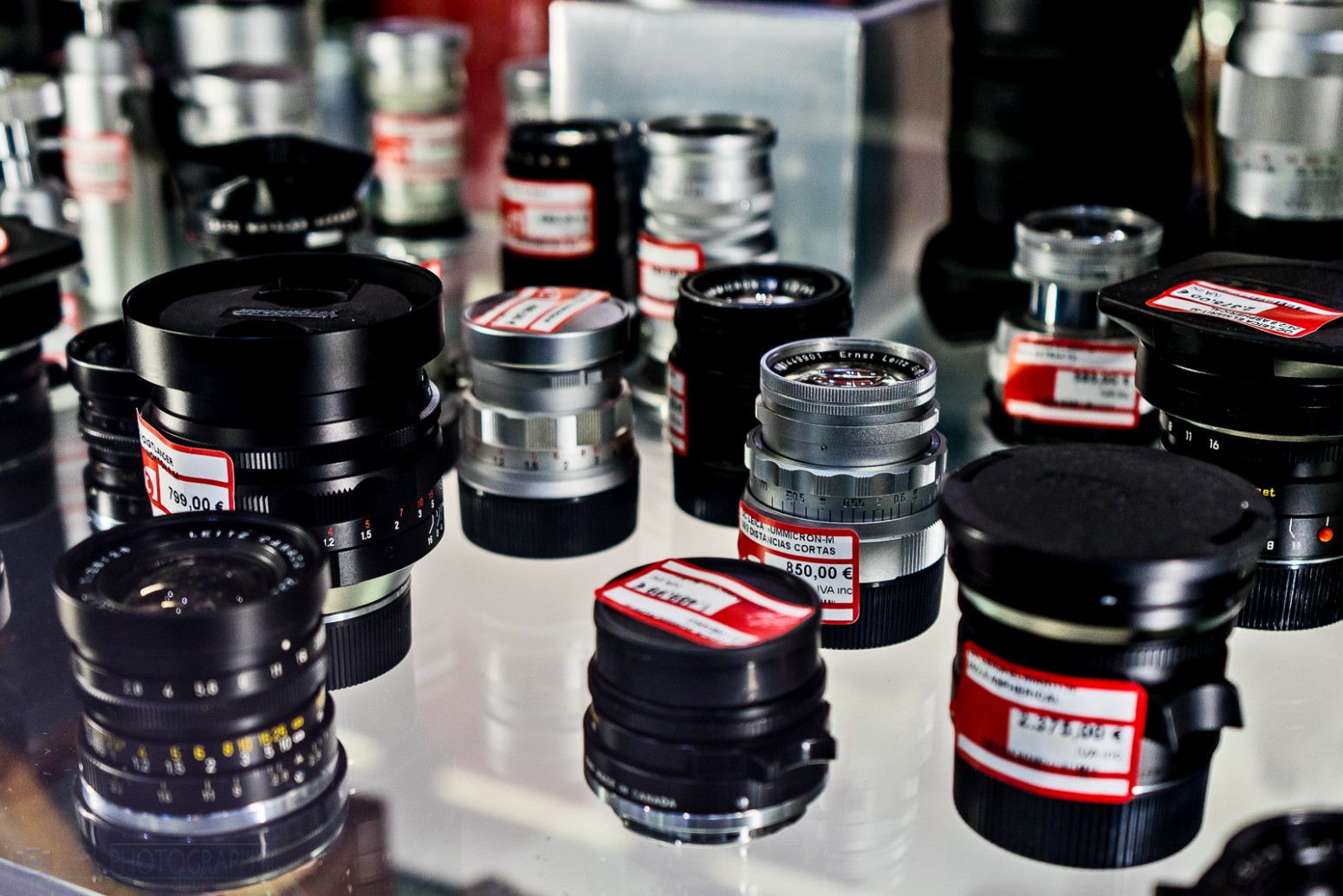
Leica lenses


Shepherd Gate Clock. Royal Greenwich Observatory
 Machinery (3)
The Shepherd Gate Clock is mounted on the wall outside the gate of the Royal Greenwich Observatory building in Greenwich, Greater London. The clock, an early example of an electric clock, was a slave mechanism controlled by electric pulses transmitted by a master clock inside the main building. The network of master and slave clocks was constructed and installed by Charles Shepherd in 1852. The clock by the gate was probably the first to display Greenwich Mean Time to the public, and is unusual in using the 24-hour analogue dial.

Shepherd Gate Clock. Royal Greenwich Observatory
The Shepherd Gate Clock is mounted on the wall outside the gate of the Royal Greenwich Observatory building in Greenwich, Greater London. The clock, an early example of an electric clock, was a slave mechanism controlled by electric pulses transmitted by a master clock inside the main building. The network of master and slave clocks was constructed and installed by Charles Shepherd in 1852. The clock by the gate was probably the first to display Greenwich Mean Time to the public, and is unusual in using the 24-hour analogue dial.
The original idea for the clock network came from the Astronomer Royal, George Airy. With the arrival of the railway network, a single time standard was needed to replace the various incompatible local times then in use across the country. Airy proposed that this standard time would be provided by the Royal Observatory. His idea was to use what he called “galvanism” or electric signalling to transmit time pulses from Greenwich to slave clocks throughout the country, and perhaps to Europe and the colonies too. The new undersea cable recently installed between Dover to Calais in 1851 raised the possibility of sending time signals between England and France – this would allow longitude differences to be measured very accurately, for the first time.

Shepherd Gate Clock. Royal Greenwich Observatory
In 1849, Charles Shepherd Junior (1830–1905),[1] an engineer and son of a clockmaker, patented a system for controlling a network of master and slave clocks using electricity (or galvanism, as it was called). Shepherd installed the public clocks for the Great Exhibition which opened in May 1851. In October 1851, Airy wrote to Charles Shepherd asking for proposals and estimates, including a request for the following clocks:
- One automatic clock.
- One clock with large dial to be seen by the Public, near the Observatory entrance, and
- three smaller clocks, all to be moved sympathetically with the automatic clock.
Airy also wanted the existing Greenwich time ball to be electrically operated, so that its descent at 13:00 was synchronised with the master clock inside the observatory.
By August 1852, Shepherd had built and installed the network of clocks and cables in the observatory. Costs were considerably higher than the original estimates. Shepherd had estimated £40 for the master clock and time ball apparatus, and £9 for each sympathetic clock. The total costs included £70 for the master clock, and £75 for the wall clock by the gate.
Shepherd would be appointed to oversee the construction of a telegraph network for the Indian Government in 1853.
More in Wikipedia

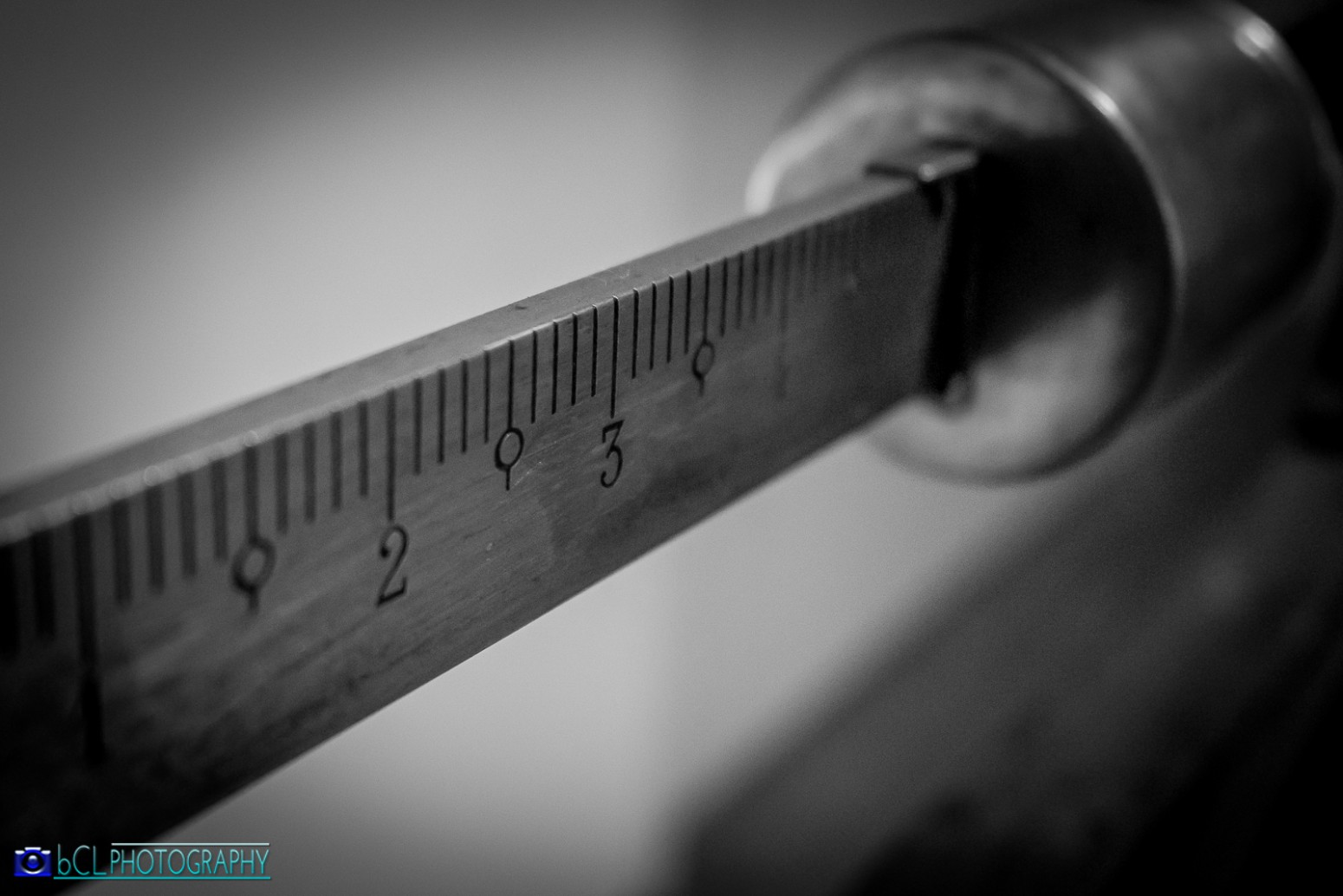
Kilo (kilogram)
A contribution to the Leanne Cole Photography MM 2-13: K theme.
The kilogram or kilogramme (SI unit symbol: kg), is the base unit of mass in the International System of Units (SI) (the Metric system) and is defined as being equal to the mass of the International Prototype of the Kilogram (IPK).
The gram, 1/1000th of a kilogram, was originally defined in 1795 as the mass of one cubic centimeter of water at the melting point of water. The original prototype kilogram, manufactured in 1799 and from which the IPK is derived, had a mass equal to the mass of 1.000025 liters of water at 4 °C.
The kilogram is the only SI base unit with an SI prefix (“kilo”, symbol “k”) as part of its name.
More in Wikipedia

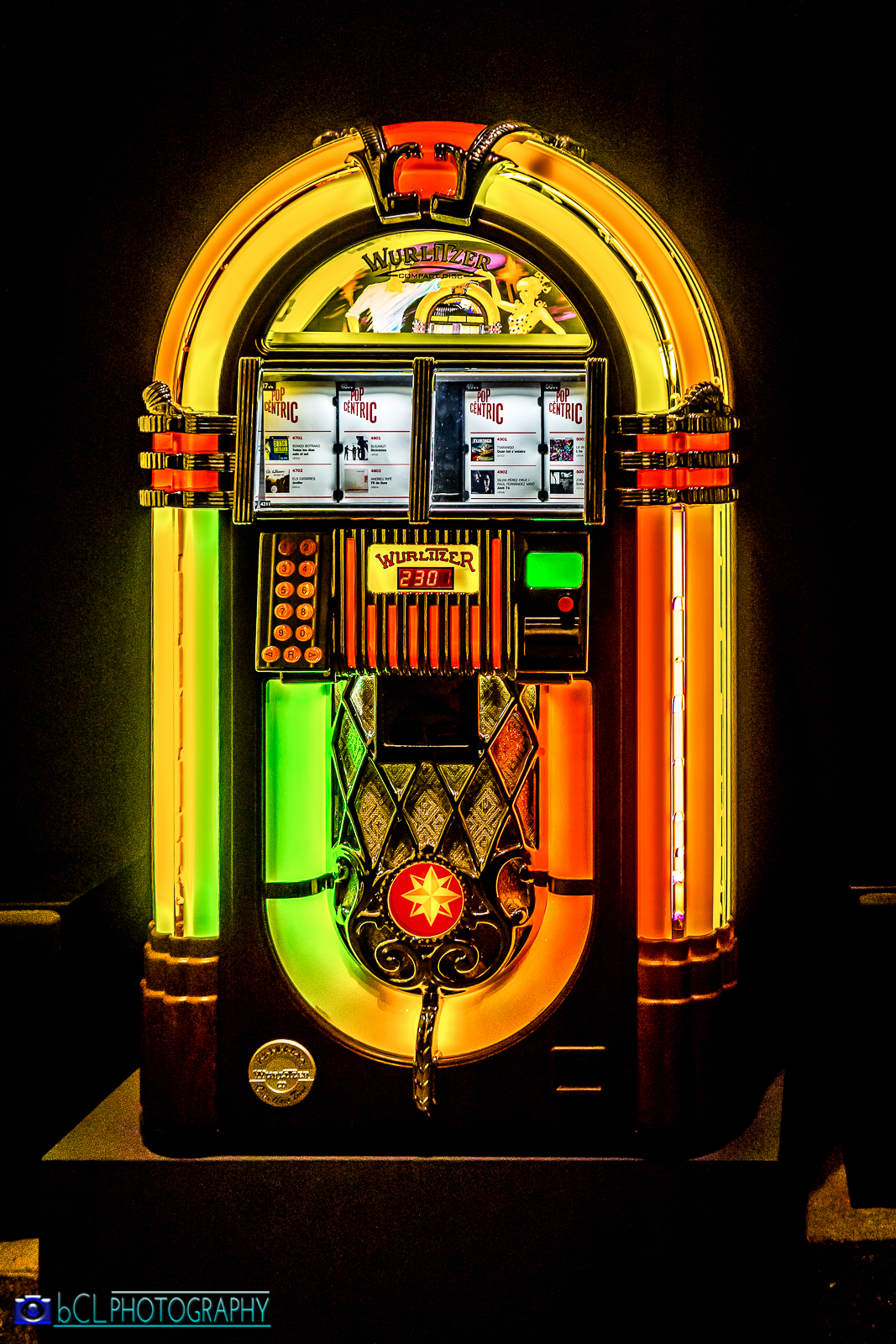
Jukebox Wurlitzer
Weekly Photo Challenge: Vivid
This is my entry to this week topic: the Jukebox
A jukebox is a partially automated music-playing device, usually a coin-operated machine, that will play a patron’s selection from self-contained media. The classic jukebox has buttons with letters and numbers on them that, when entered in combination, are used to play a specific selection.
Coin-operated music boxes and player pianos were the first forms of automated coin-operated musical devices. These instruments used paper rolls, metal disks, or metal cylinders to play a musical selection on the instrument, or instruments, enclosed within the device. In the 1890s these devices were joined by machines which used actual recordings instead of physical instruments. In 1890, Louis Glass and William S. Arnold invented the nickel-in-the-slot phonograph, the first of which was an Edison Class M Electric Phonograph retrofitted with a device patented under the name of Coin Actuated Attachment for Phonograph. The music was heard via one of four listening tubes.
Early designs, upon receiving a coin, unlocked the mechanism, allowing the listener to turn a crank that simultaneously wound the spring motor and placed the reproducer’s stylus in the starting groove. Frequently, exhibitors would equip many of these machines with listening tubes (acoustic headphones) and array them in “phonograph parlors”, allowing the patron to select between multiple records, each played on its own machine. Some machines even contained carousels and other mechanisms for playing multiple records. Most machines were capable of holding only one musical selection, the automation coming from the ability to play that one selection at will. In 1918 Hobart C. Niblack patented an apparatus that automatically changed records, leading to one of the first selective jukeboxes being introduced in 1927 by the Automated Musical Instrument Company, later known as AMI.
Greater levels of automation were gradually introduced. As electrical recording and amplification improved there was increased demand for coin-operated phonographs.
The term jukebox came into use in the United States beginning in 1940, apparently derived from the familiar usage “juke joint”, derived from the Gullah word “juke” or “joog” meaning disorderly, rowdy, or wicked.
Song-popularity counters told the owner of the machine the number of times each record was played (A and B side were generally not distinguished), with the result that popular records remained, while lesser-played songs could be replaced.
Initially playing music recorded on wax cylinders, the shellac 78 rpm record dominated jukeboxes in the early part of the 20th century. The Seeburg Corporation introduced an all 45 rpm vinyl record jukebox in 1950; since the 45s were smaller and lighter, they soon became the dominant jukebox media for the last half of the 20th century. 33⅓-R.P.M., C.D.s, and videos on DVDs were all introduced and used in the last decades of the century. MP3 downloads, and Internet-connected media players came in at the start of the 21st century.
The jukebox’s history has followed the wave of technological improvements in music reproduction and distribution. With its large speaker size, facilitating low-frequency (rhythm) reproduction, and large amplifier, the jukebox played sound with higher quality and volume than the listener could in his or her home, sometimes music with a “beat”.
Jukeboxes were most popular from the 1940s through the mid-1960s, particularly during the 1950s. By the middle of the 1940s, three-quarters of the records produced in America went into jukeboxes. While often associated with early rock and roll music, their popularity extends back much earlier, including classical music, opera and the swing music era. In 1977, The Kinks recorded a song called “Jukebox Music” for their album Sleepwalker.
Styling progressed from the plain wooden boxes in the early thirties to beautiful light shows with marbelized plastic and color animation in the Wurlitzer 850 Peacock of 1941. But after the United States entered the war, metal and plastic were needed for the war effort. Jukeboxes were considered “nonessential”, and none were produced until 1946. The 1942 Wurlitzer 950 featured wooden coin chutes to save on metal. At the end of the war, in 1946, jukebox production resumed and several “new” companies joined the fray. Jukeboxes started to offer visual attractions: bubbles, waves, circles of changing color which came on when a sound was played.
Models designed and produced in the late 20th century needed more panel space for the increased number of record titles they needed to present for selection, reducing the space available for decoration, leading to less ornate styling in favor of functionality and less maintenance.
Many manufacturers produced jukeboxes, including 1890s Wurlitzer, 1920s Seeburg, 1930s “Rock-Ola” whose name is actually based on that of the company founder, David Cullen Rockola, and Crosley.
In 1946, the Wurlitzer Model 1015 – referred to as the “1015 bubbler” offered 24 selections. More than 56,000 were sold in less than 2 years and it is considered a pop culture icon. Designed by Wurlitzer’s Paul Fuller.
More info: Wikipedia
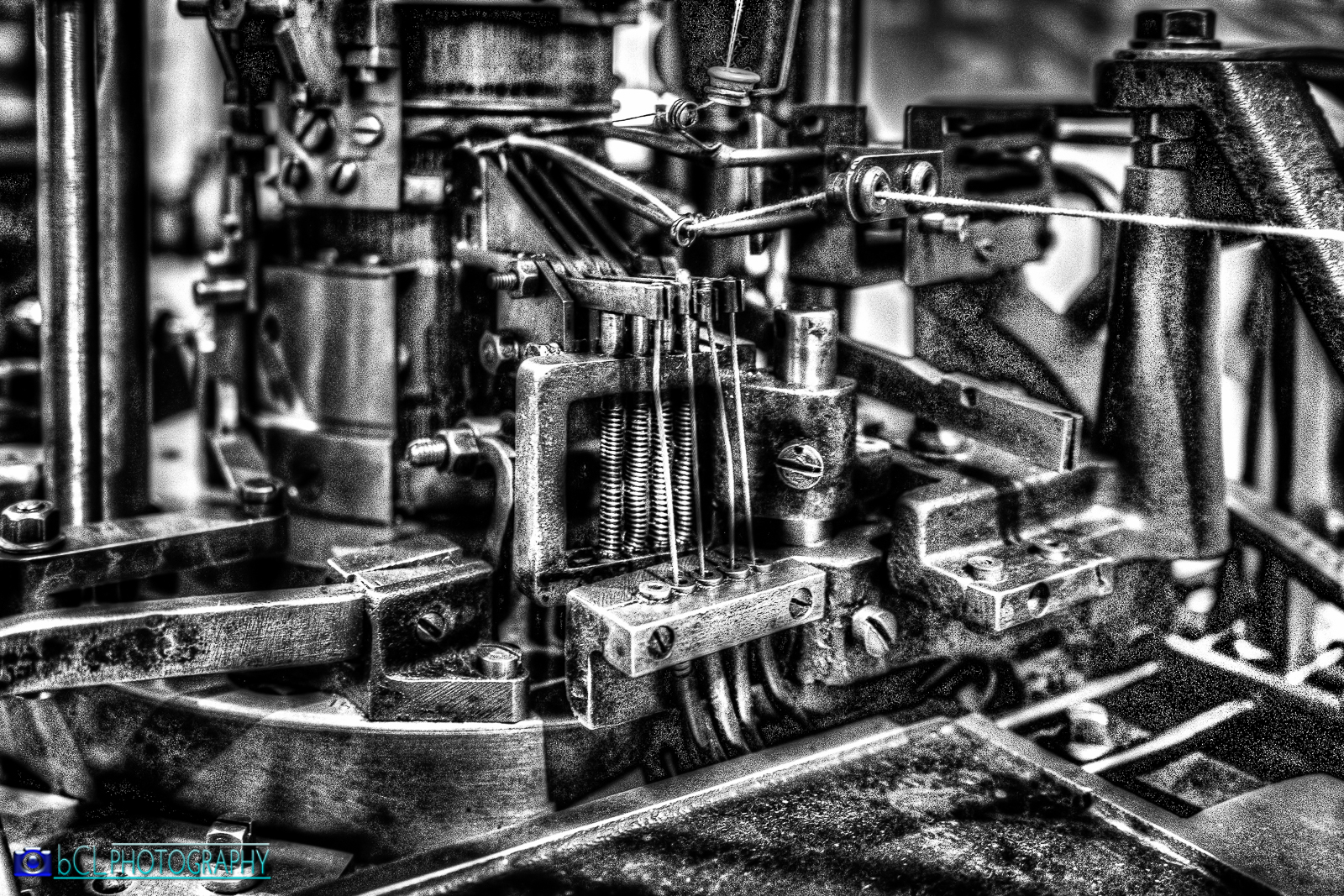

Machinery
Following with this weekly topic, I post a new photo in the series of machinery.
Machinery: A system of related elements that operate in a definable manner in order to achieve a result.
The machines have always caught my attention. I like to understand how they work. What do all those nuts and bolts?. How to work with such precision?
A machine has a power source and actuators that generate forces and movement, and a system of mechanisms that shape the actuator input to achieve a specific application of output forces and movement.
I hope you like this intricate machinery this week.
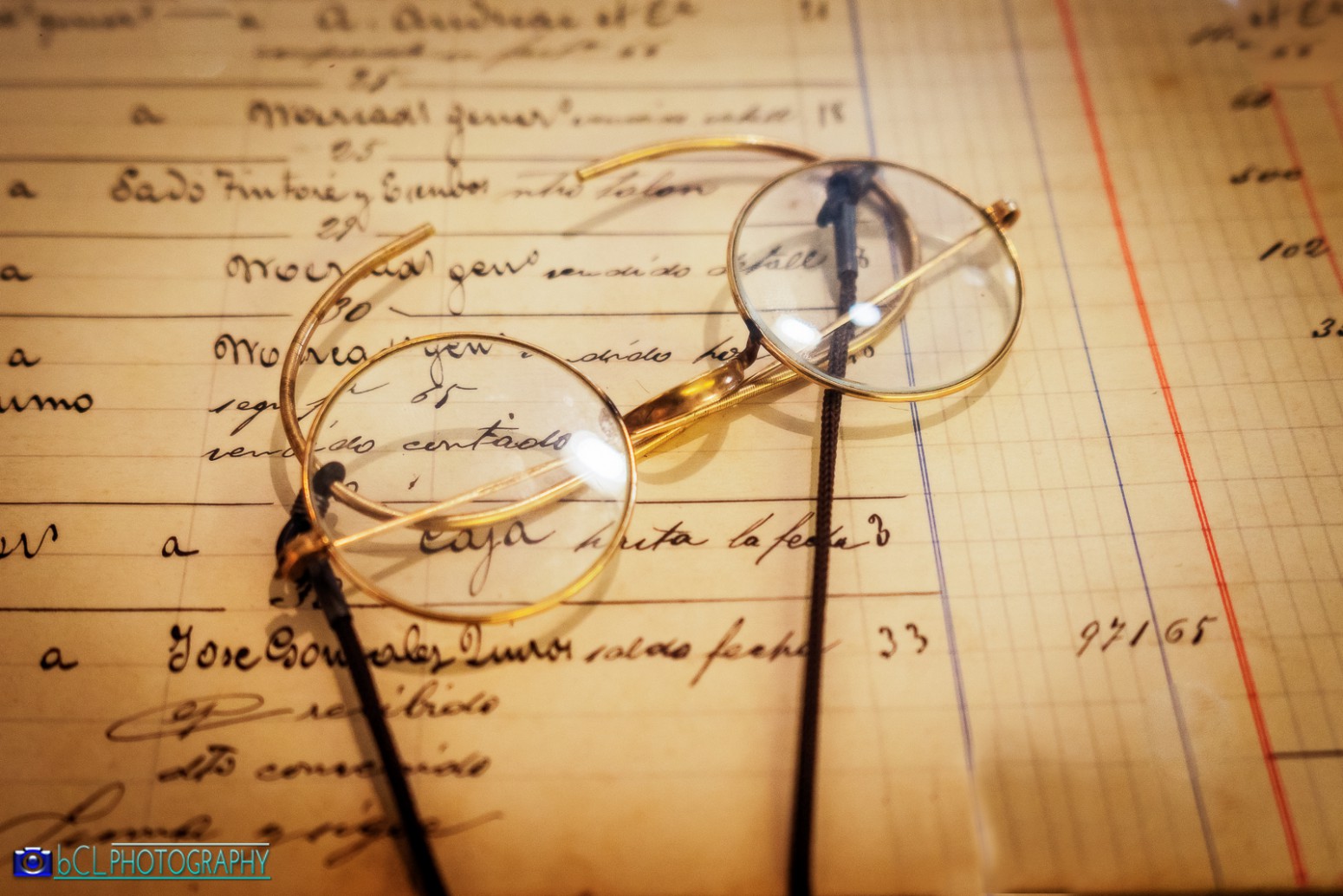

Old Glasses
Rose Colored Glasses
People take the world as they see it themselves
some see black
some see white
many see grey
as for me?
I see it for what it is….technicolored.
Life is far to wonderful and bright too see it as simple black
it is too deep and mysterious to be only white
it is too exciting and amazing to be described as grey
There’s a reason that there is color present everywhere.
If the world were colorless, so life would be… continue reading


















 bCL Photography