
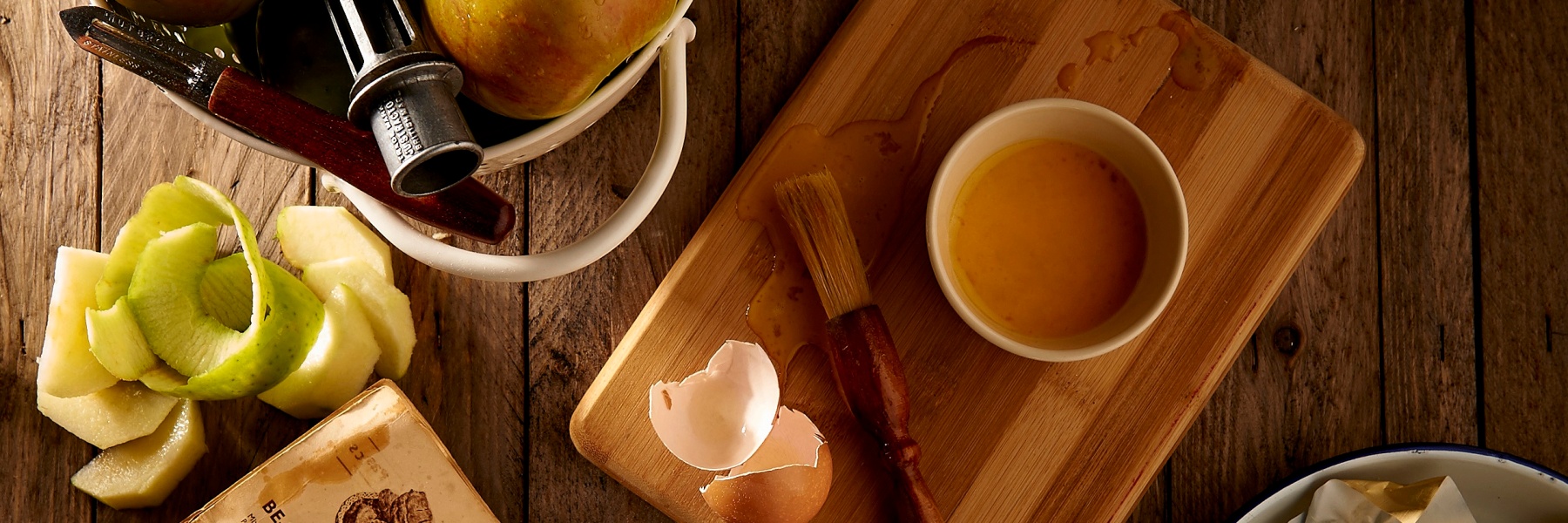


Enveloped: by a huge photo
 This building was enveloped during a work by a huge picture of some models. A big announcement in fashion covering its body…
This is my contribution this week to the Weekly Photo Challenge. I think it is another interpretation to the concept of this week “enveloped”.
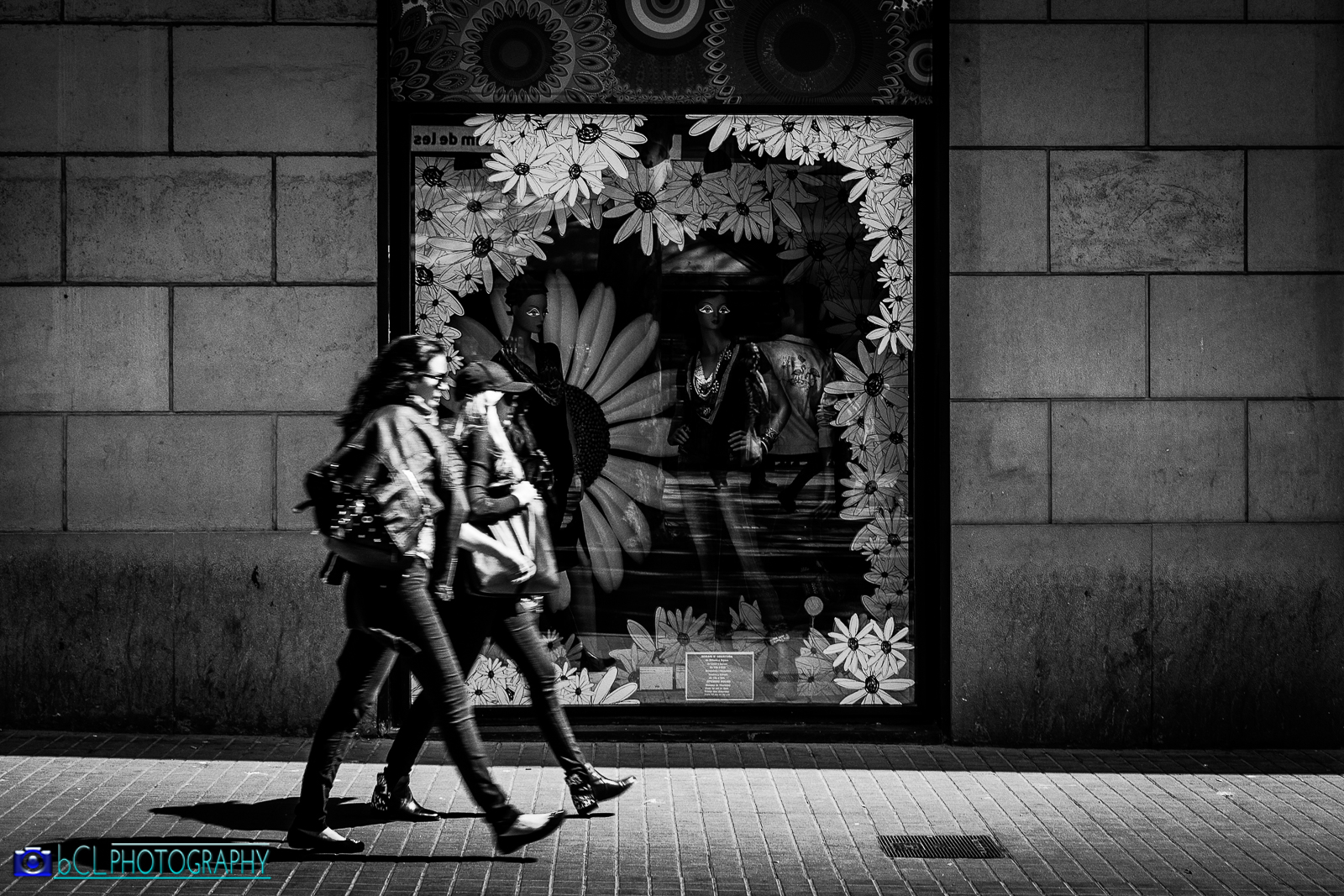

Walking in step down the street
Walking down the street
Starting today a series of photos devoted mainly to people who wander the cities, people who like to walk or environmentally it moves around town.
It’s a small homage to all who walk to be more agile, stronger and healthier although they are in cities full of cars.
Each monday i’ll publish a photo on this topic.

I know I’m late, but is only a belated contribution to this interesting Norm’s Thursday Doors Challenge.
I always liked taking photos of doors that have caught my attention. A door is the face of a housing and, basically think reflects its owner’s face.
I hope you like my selection for this week’s doors. Thanks Norm for hosting this challenge. I hope to participate in the future. Thursday will be alert…

Door in Madrid
Agustín. Cosas de Arte (Things Art). Compra y Venta (Buy and Sell), found walking Madrid. Interesting tiling and door.
Details:

top door

Glazed tile
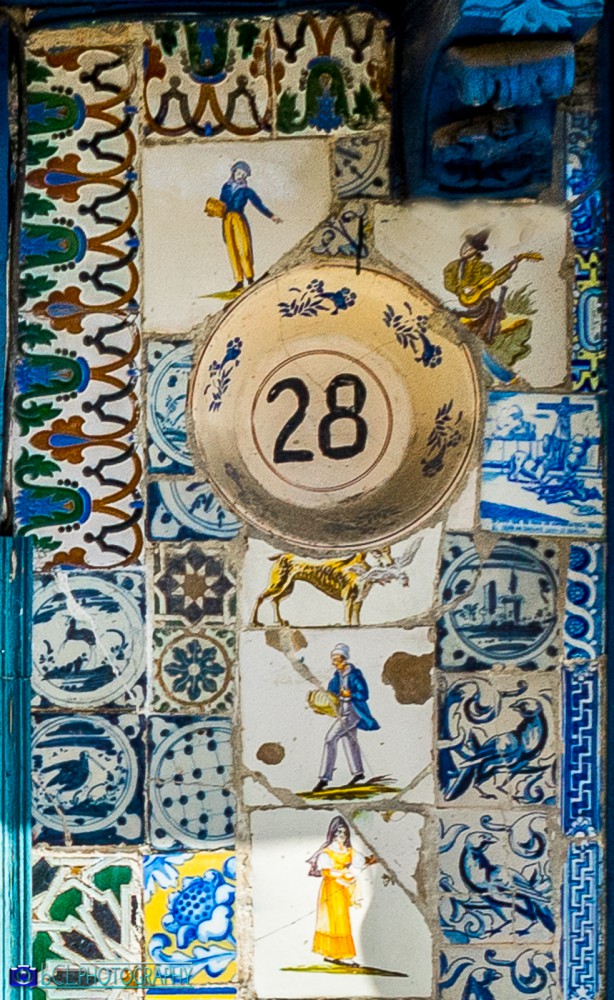
Glazed tile

![espai [b] 100x100 Photo](https://bclphoto.net/wp-content/uploads/2015/05/dsc04396-editar-e1431770261523.jpg)
espai [b]

100×100 Photo
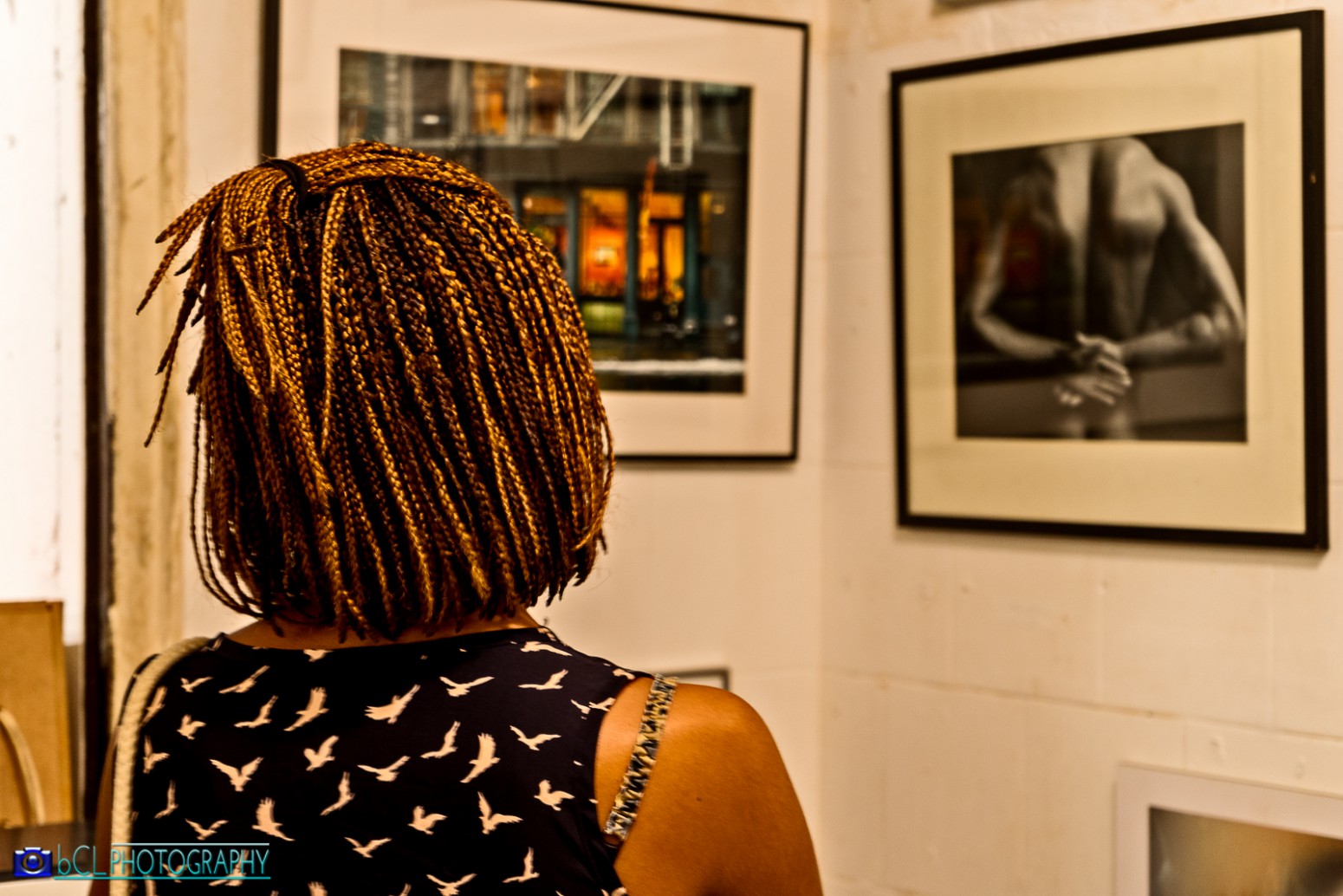
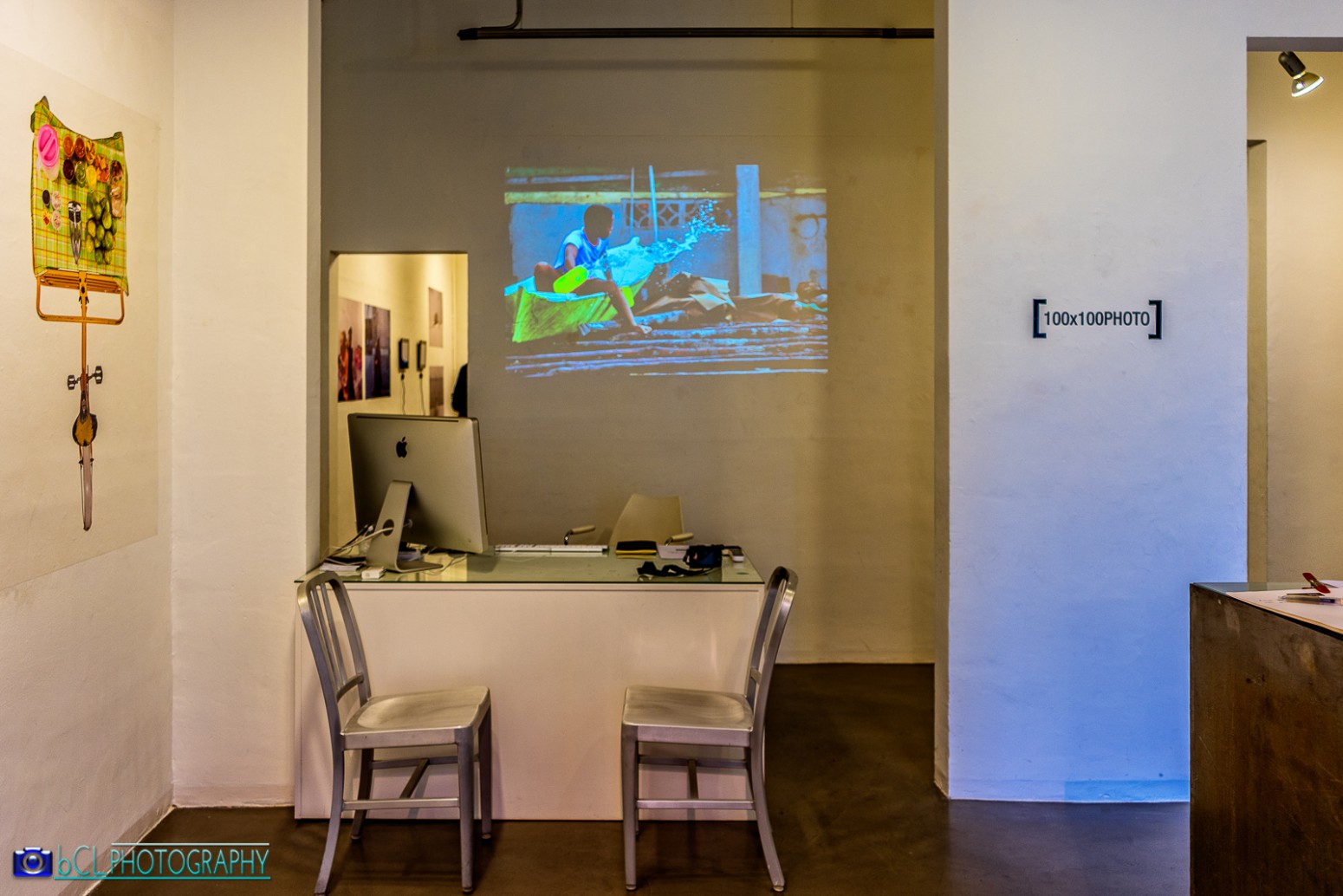
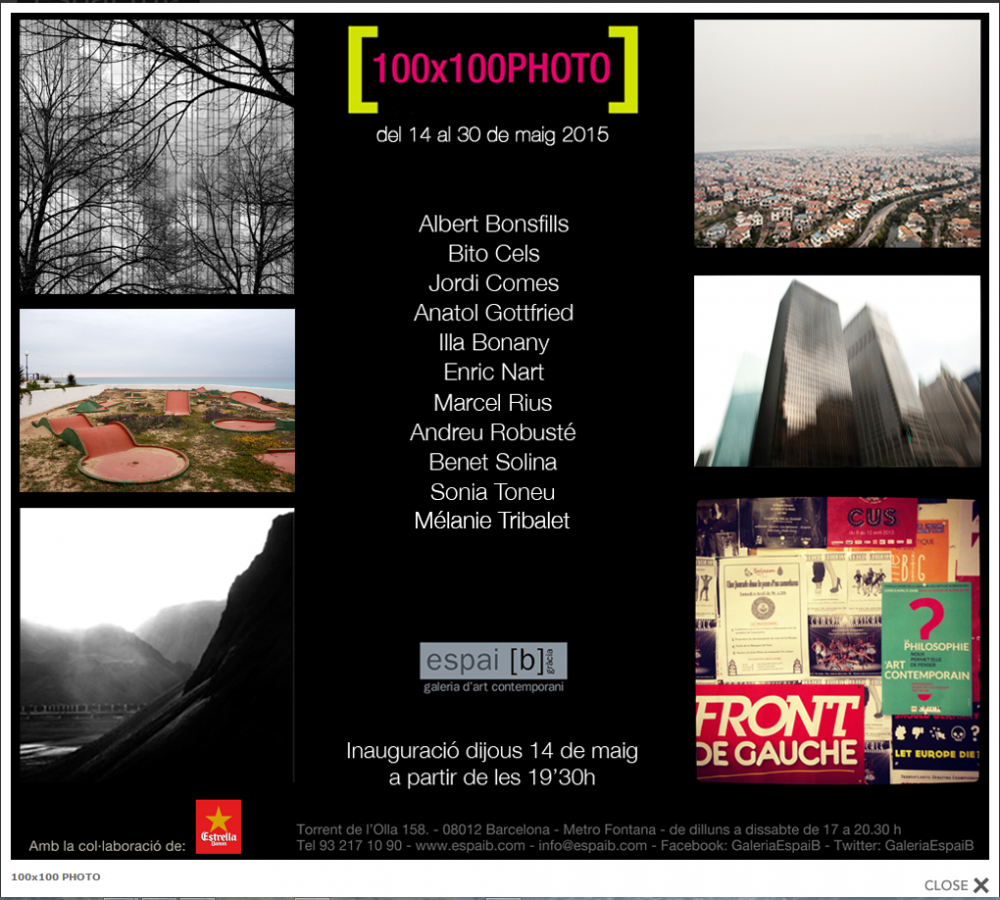
Espai [b] is a contemporary art gallery founded in 2003 in the Gracia district, Barcelona, with the idea of promoting contemporary art in its various expressions, paying special attention to the work of new artists, alternating with artists with broad experience.

100×100 Photo
There are exhibitions of various disciplines such as painting, printmaking, sculpture, photography and installation, often incorporating new digital printing technologies for the reproduction of designers and illustrators work.

100×100 Photo
100×100 Photo
In fact, Espai [b] has two distinct areas:
- the first is for temporary exhibitions and
- the second, fully open to the public, displays some pieces by the gallery’s represented artists.
The gallery has participated in various international contemporary art fair.

100×100 Photo
100×100 Photo
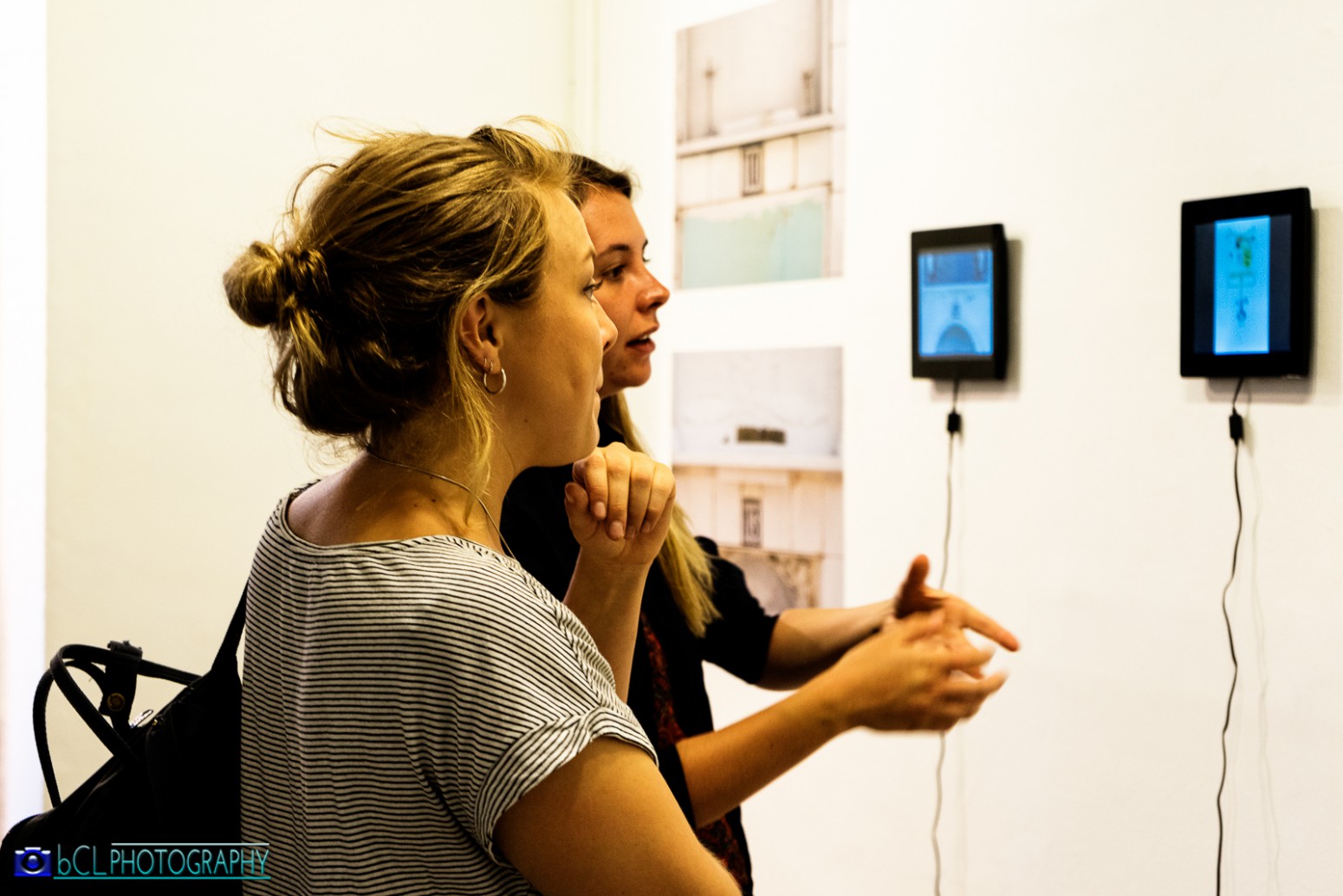
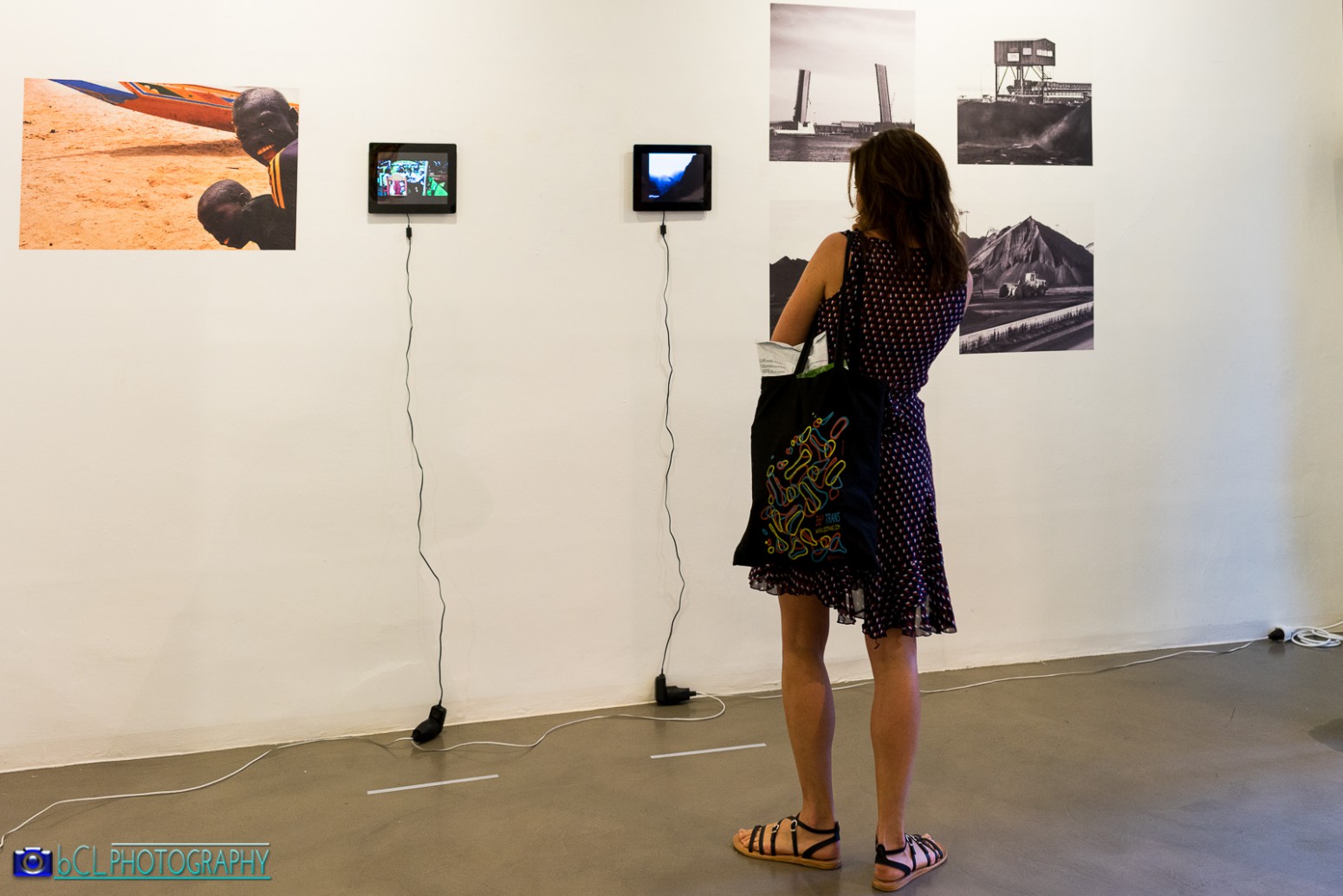
From time to time, the gallery presents photographic exhibitions, framed on his label 100×100 Photo. This friday inaugurated a new edition with works by a group of young artists in the world of photography.

100×100 Photo
100×100 Photo
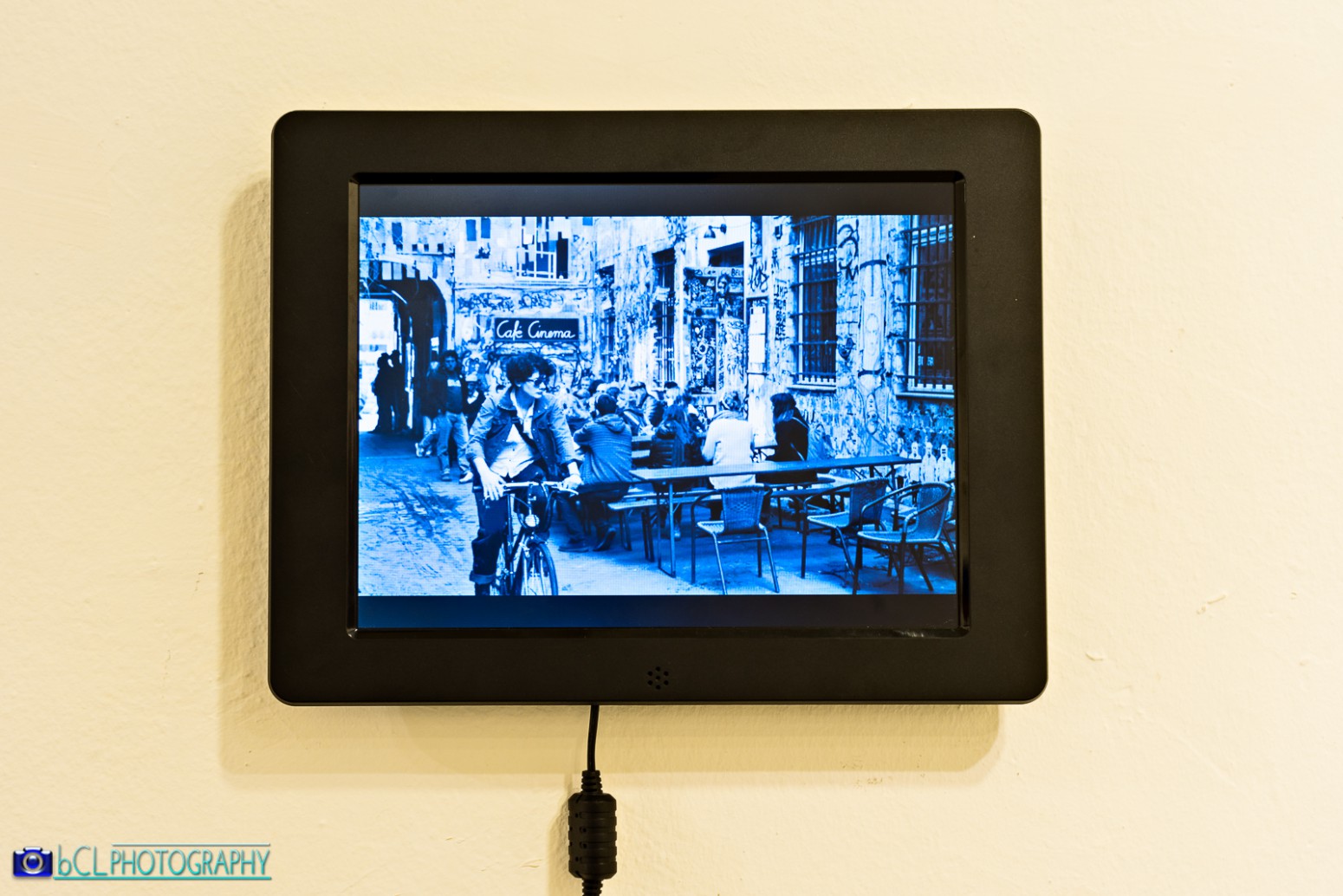
Alongside large-format works, displayed on the walls live digital displays that show all the works presented at the exhibition for each artist.

Mélanie Tribalet, photographer

Benet Solina, photographer and director

Jordi Comes, photographer, painter and director, Sonia Toneu, photographer
Directors welcomed us very kindly and showed us the organizative “secrets” of an event of this nature.
The ambiance of the gallery was very familiar. We were at home.

Large audience at the opening
Naturally all works are for sale in different formats and, as usual, at very reasonable prices.
Large audience attended the inauguration of the exhibition.
The host of the show was a success.

100×100 Photo
100×100 Photo

100×100 Photo
100×100 Photo
100×100 Photo
100×100 Photo
From 14 to 30. may 2015

100×100 Photo
It deserves a visit
100×100 Photo

100×100 Photo
contact:
Espai [b]
Espai [b], Carrer del Torrent de l’Olla 158 · 08012 · Barcelona. Catalonia, Spain,
Directors: Jordi Comes i Benet Solina.
T · +34 93 217 10 90 | info@espaib.com
Mon – Sat, 17h – 20:30h


Le Cucine Mandarosso
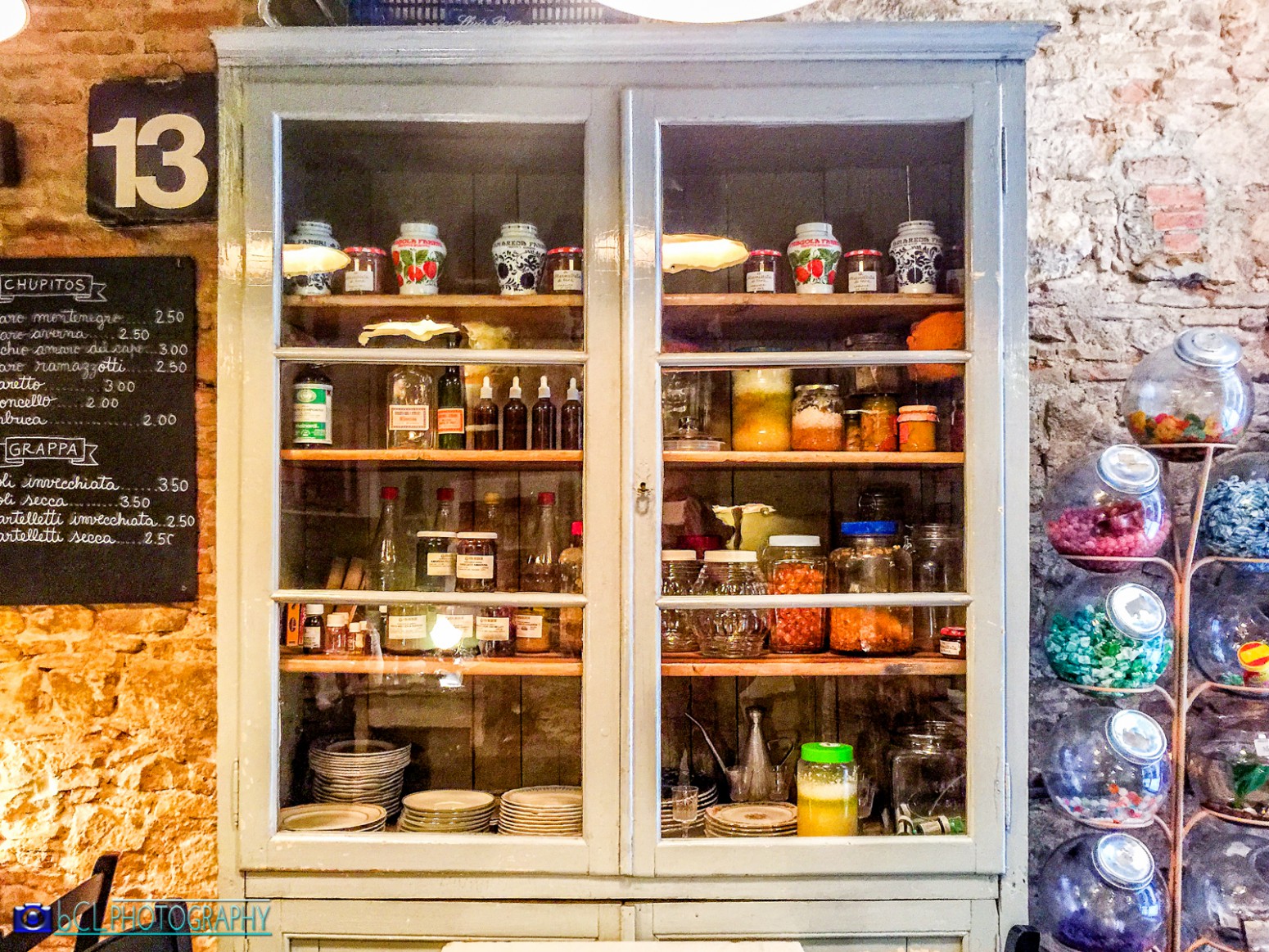
Le Cucine Mandarosso is a small and intimate Italian restaurant in Barcelona, that welcomes us in a homey, informal atmosphere decorated with personal style.
Among the daily specials are delicious pasta with different sauces as well as meat and fish options. Sunday afternoon offers typical Italian aperitif and live music.

Le Cucine Mandarosso
A daily menu for 11 euros includes: a first plate, drink, dessert and coffee.
Le Cucine Mandarosso
The treatment is pleasant and a friendly atmosphere surrounds us. It feels like home.

Le Cucine Mandarosso
Carrer de Verdaguer i Callís 4 (Near Palau de la Música)
08003 Barcelona
T 932 69 07 80
cucina@lecucinemandarosso.com
Photos with iPhone 6+

Street Colors
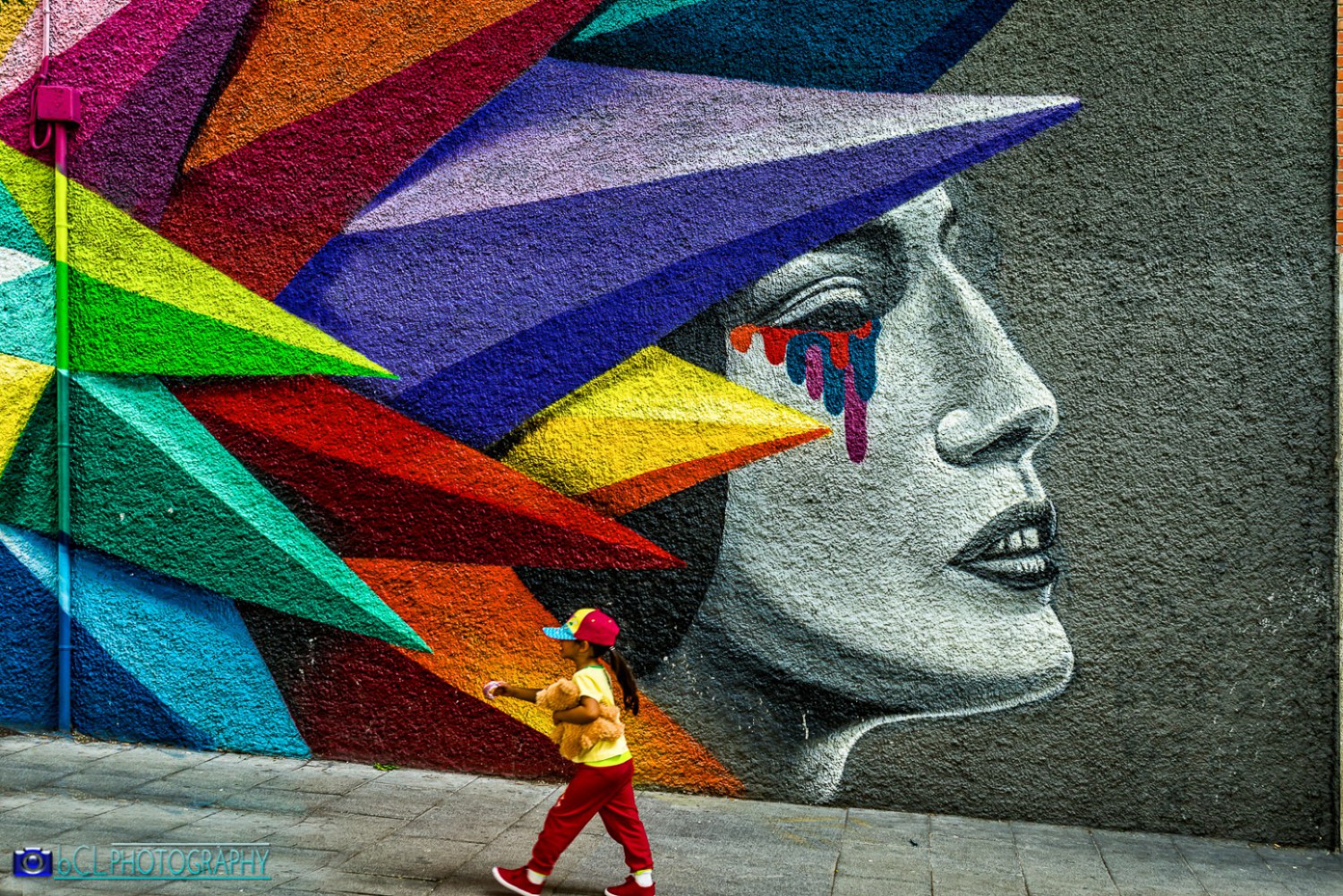
I like street photography, usually in B & W, but this picture I think I had to take it and process in color.
The girl also helped with her dress in full color.
The image was taken in Madrid two days ago.
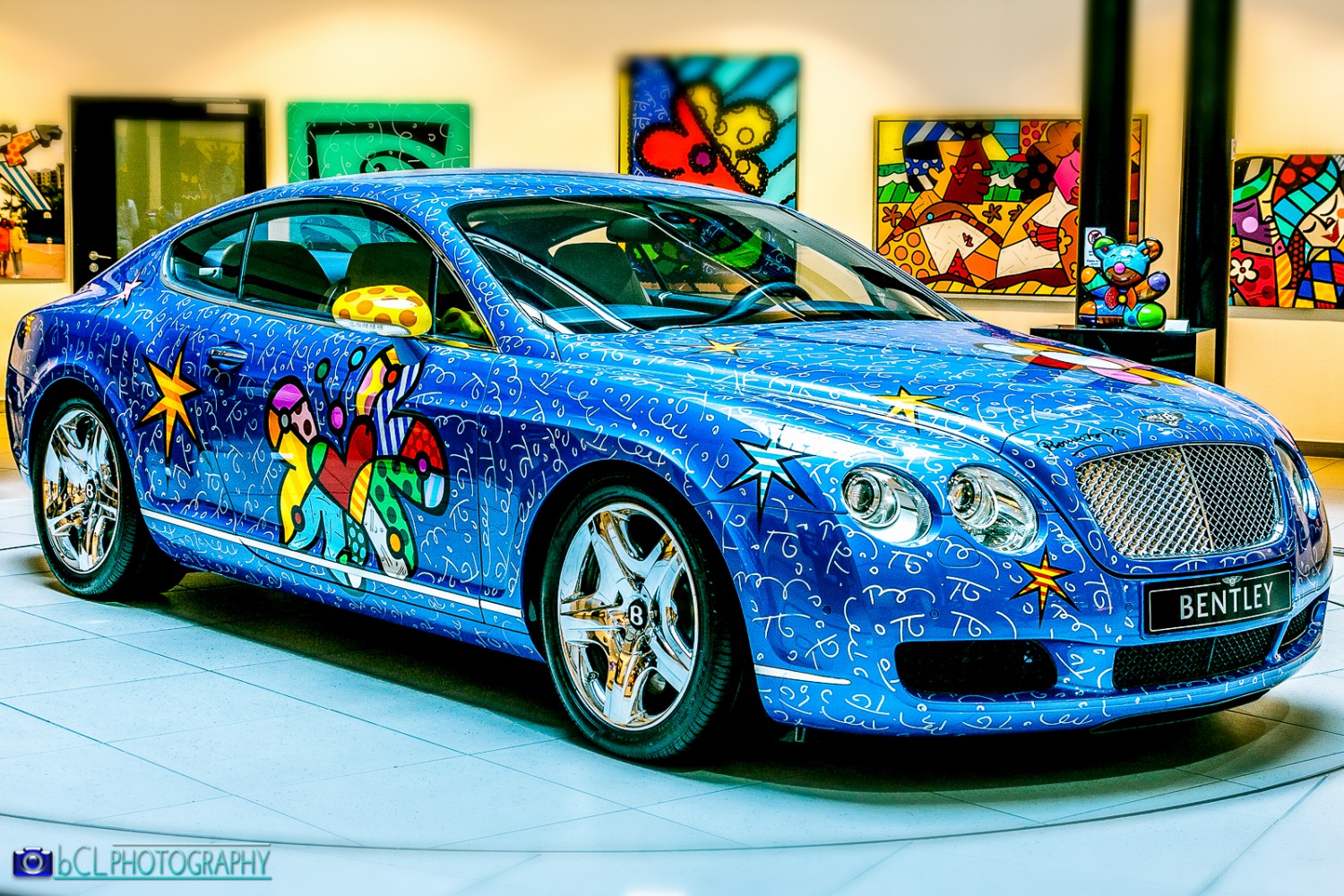
Bentley car
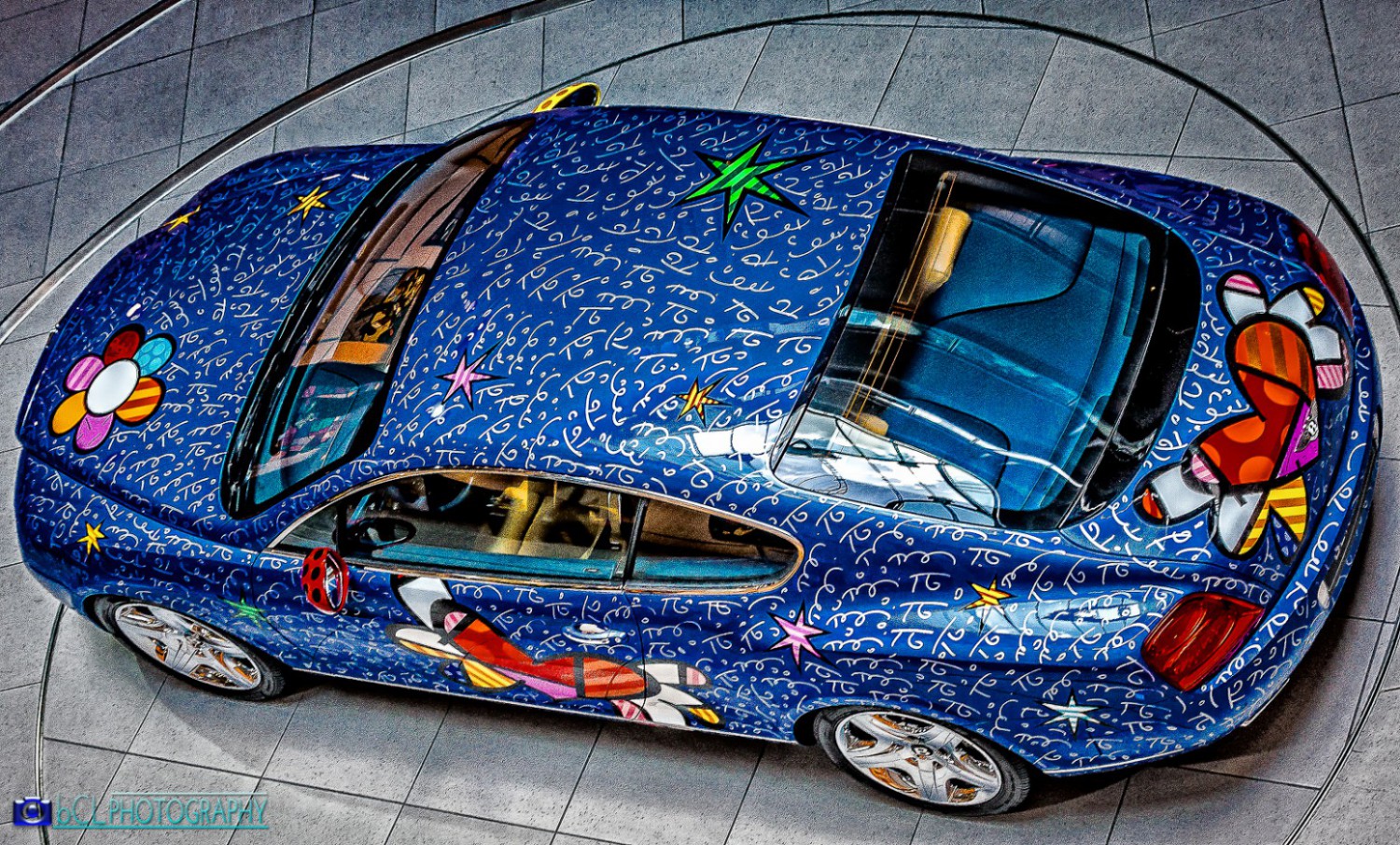
 I found this wonderful car on a trip to Berlin and did not hesitate to photograph it. Not only was an incredible luxury car, but his body was decorated in the original way that draws attention. Precious car to turn heads in any circumstances …
 Bentley Motors Limited is a British luxury automaker, and a wholly owned subsidiary of the German company Volkswagen AG. Its principal activity is the design, engineering, manufacture, and distribution of luxury automobiles sold under the Bentley marque. Based in Crewe, England, Bentley Motors Limited was founded by W. O. Bentley on 18 January 1919 in Cricklewood near London and was acquired by Rolls-Royce in 1931.
Bentley Motors Limited is the direct successor of Rolls-Royce Motors, which Volkswagen AG purchased in 1998.
Bentley car
 This post has been featured
on Cee’s Fun Foto Challenge.
Thanks to Cee for appreciating my photos!

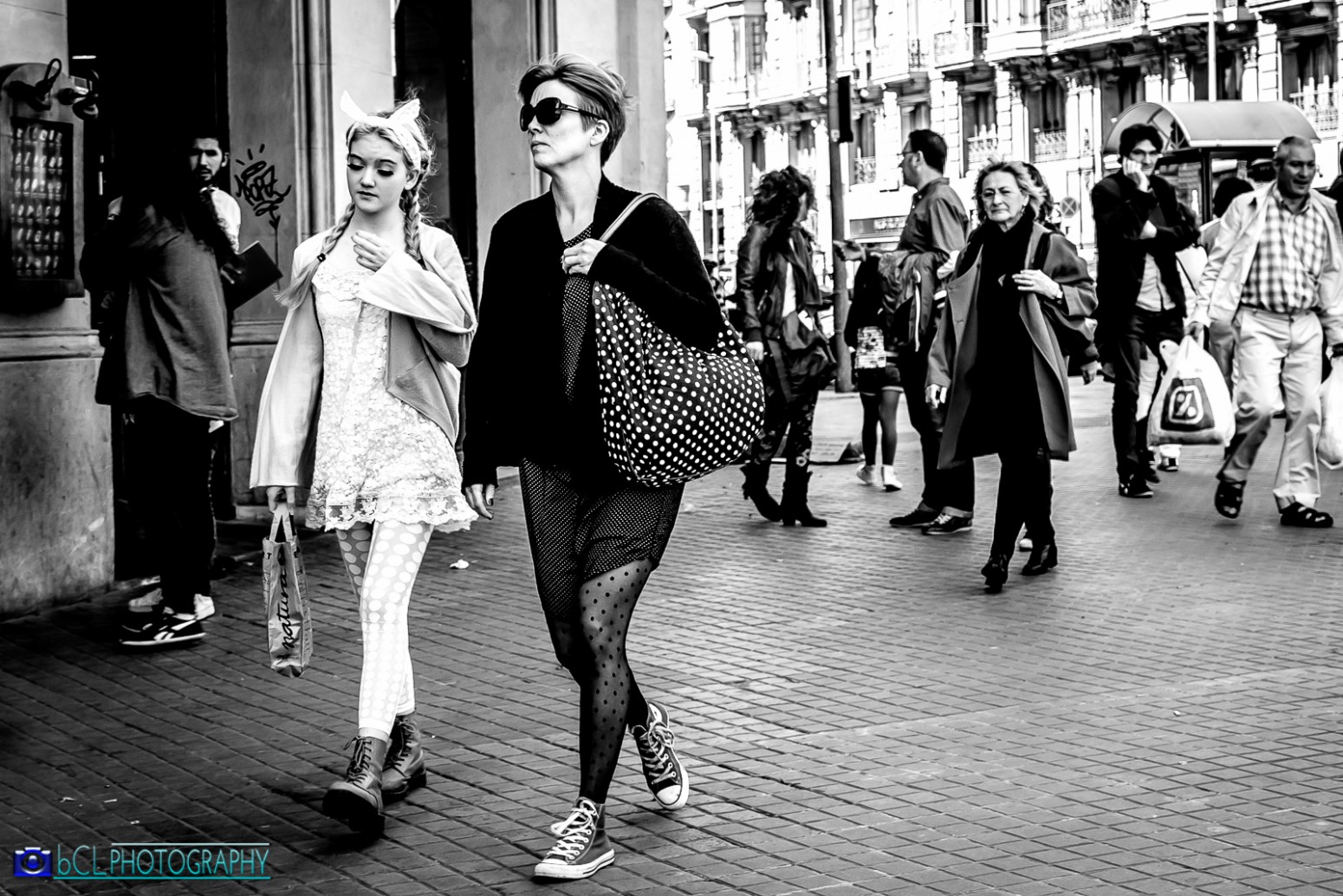
Walking down the street

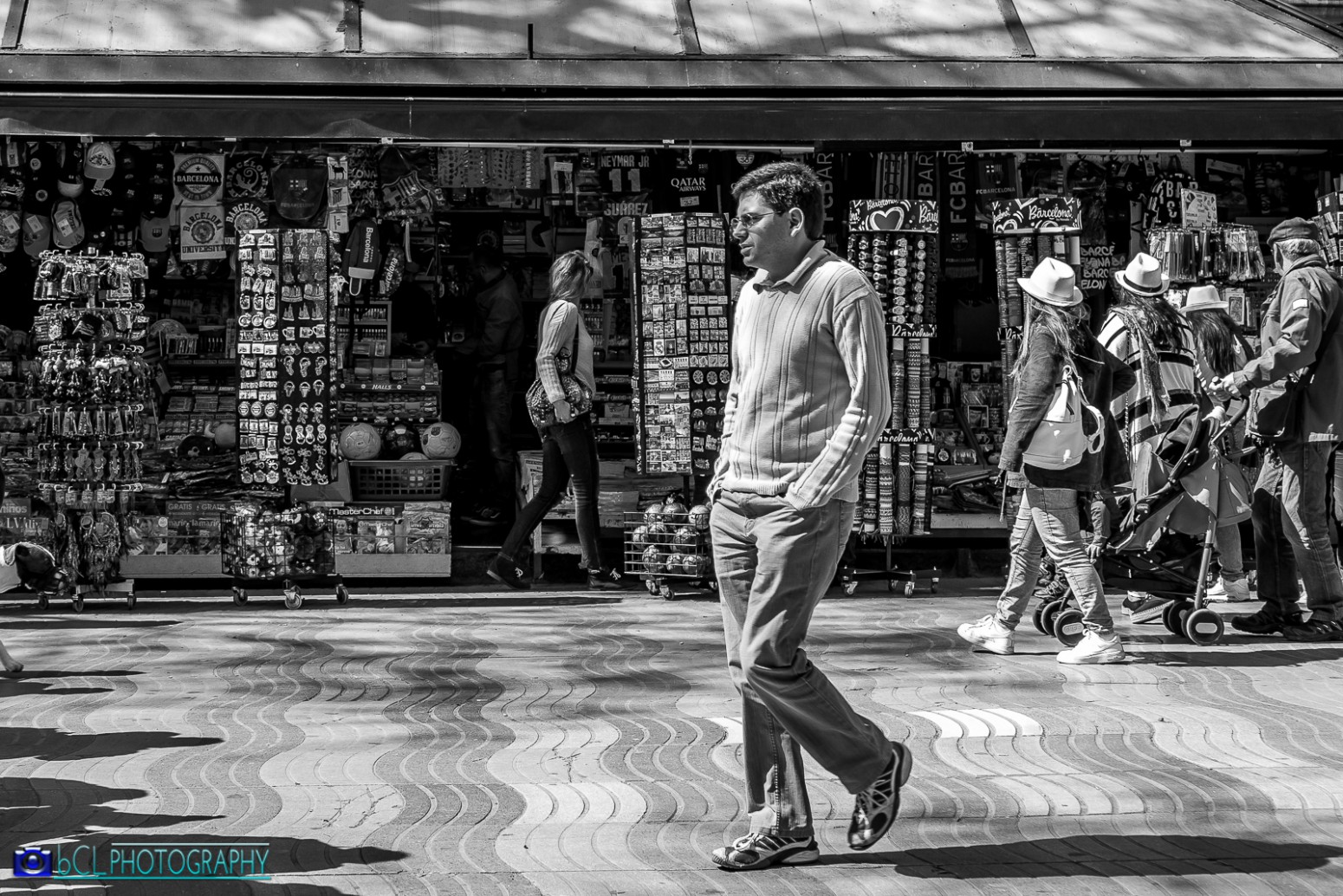
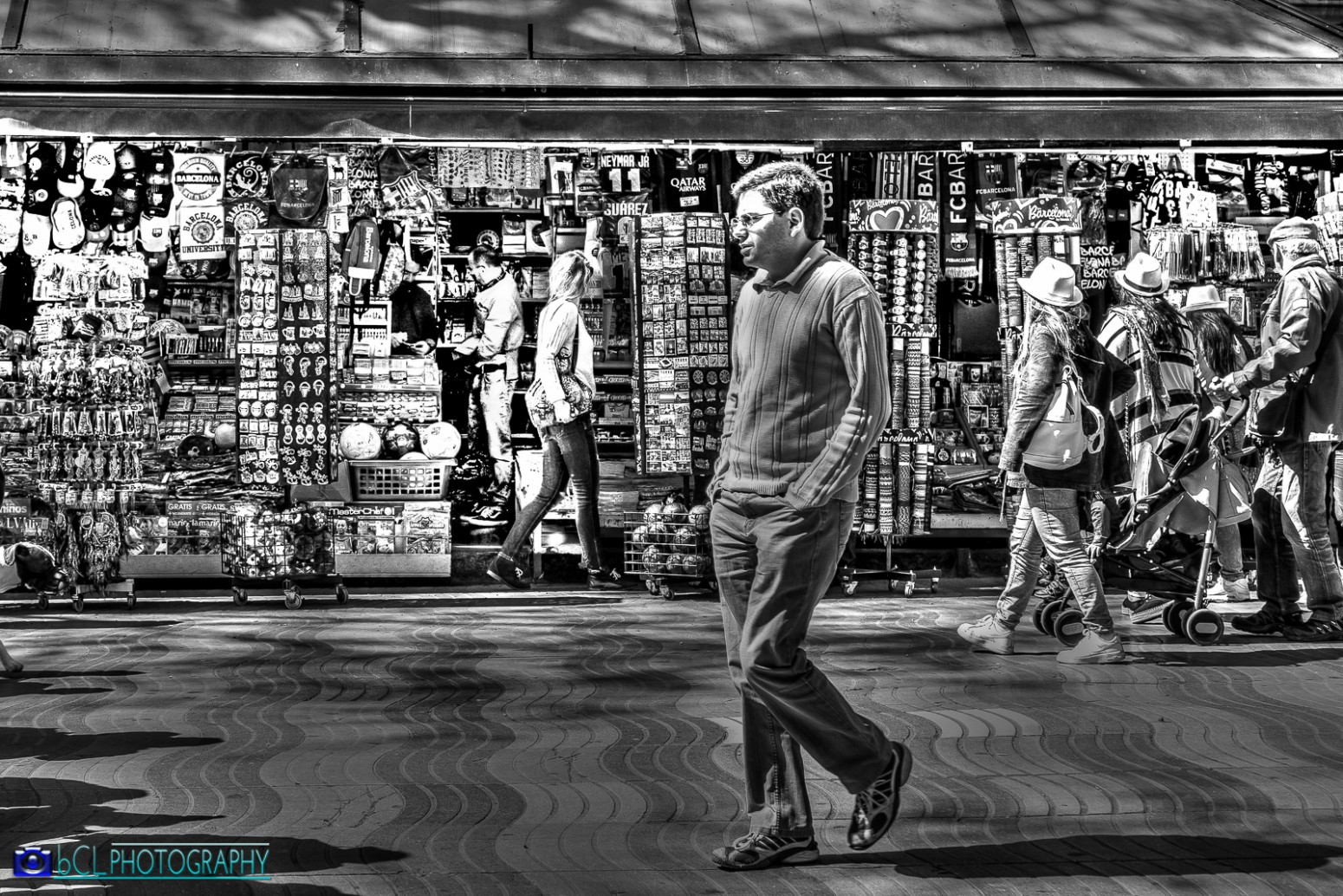
Walking down the street
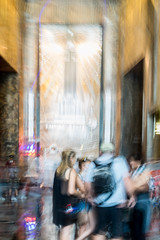
I have posted two different versions of each photo, the second is a monochrome HDR. Photos with high dynamic range give a different view of the same scene that sometimes makes them very interesting.
The images were taken in La Rambla. Barcelona
Walking down the street
Walking down the street


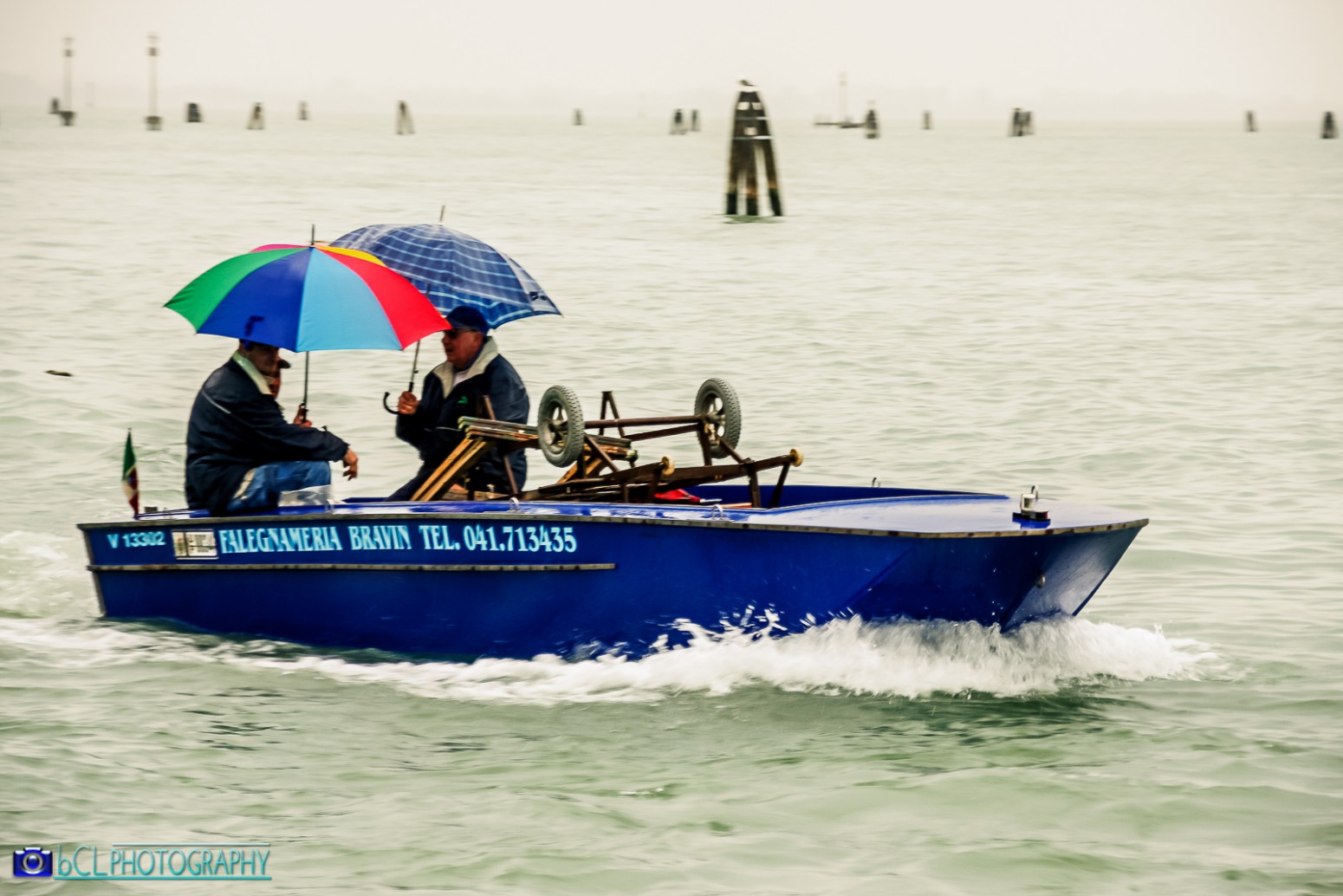
sailing under the rain in Venice
This picture was taken a rainy day in the waters of this wonderful city that is Venice.
I was curious to see these Venetian sailing with their umbrellas in the rain.
Venice is a city in northeastern Italy sited on a group of 117 small islands separated by canals and linked by bridges and certainly its inhabitants seem accustomed to water wherever it comes …
sailing under the rain in Venice

Louvre Pyramid
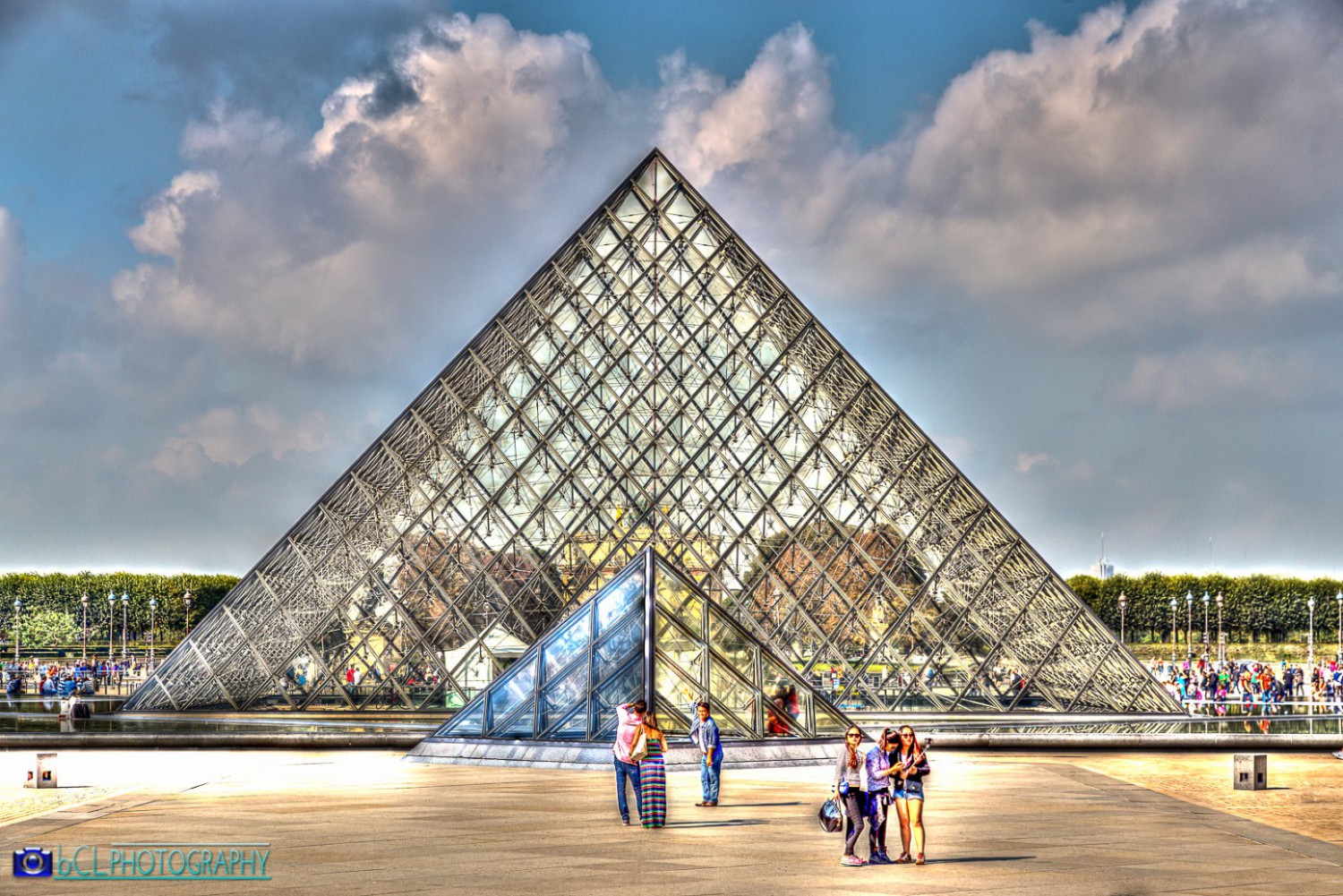
The Louvre Pyramid (Pyramide du Louvre) is a large glass and metal pyramid, surrounded by three smaller pyramids, in the main courtyard (Cour Napoléon) of the Louvre Palace (Palais du Louvre) in Paris. The large pyramid serves as the main entrance to the Louvre Museum. Completed in 1989, it has become a landmark of the city of Paris.
Commissioned by the President of France François Mitterrand in 1984, it was designed by the architect I. M. Pei. The structure, which was constructed entirely with glass segments, reaches a height of 21.6 metres (about 71 feet); its square base has sides of 35 metres (115 ft). It consists of 603 rhombus-shaped and 70 triangular glass segments.
The pyramid structure was engineered by Nicolet Chartrand Knoll Ltd. of Montreal (Pyramid structure / Design Consultant) and Rice Francis Ritchie (also known as RFR) of Paris (Pyramid Structure / Construction Phase).
The pyramid and the underground lobby beneath it were created because of a series of problems with the Louvre’s original main entrance, which could no longer handle the enormous number of visitors on an everyday basis. Visitors entering through the pyramid descend into the spacious lobby then re-ascend into the main Louvre buildings

Louvre Pyramid
The construction of the pyramid triggered a considerable amount of controversy because many people felt that the futuristic edifice looked quite out of place in front of the Louvre Museum with its classical architecture. Certain detractors ascribed a “Pharaonic complex” to Mitterrand. Others lauded the juxtaposition of contrasting architectural styles as a successful merger of the old and the new, the classical and the ultra-modern.
The main pyramid is actually the largest of several glass pyramids that were constructed near the museum, including the downward-pointing La Pyramide Inversée that functions as a skylight in an underground shopping complex in front of the museum. During the design phase, there was a proposal that the design include a spire on the pyramid to simplify window washing. This proposal was eliminated because of objections from I. M. Pei.
More in Wikipedia

Roses
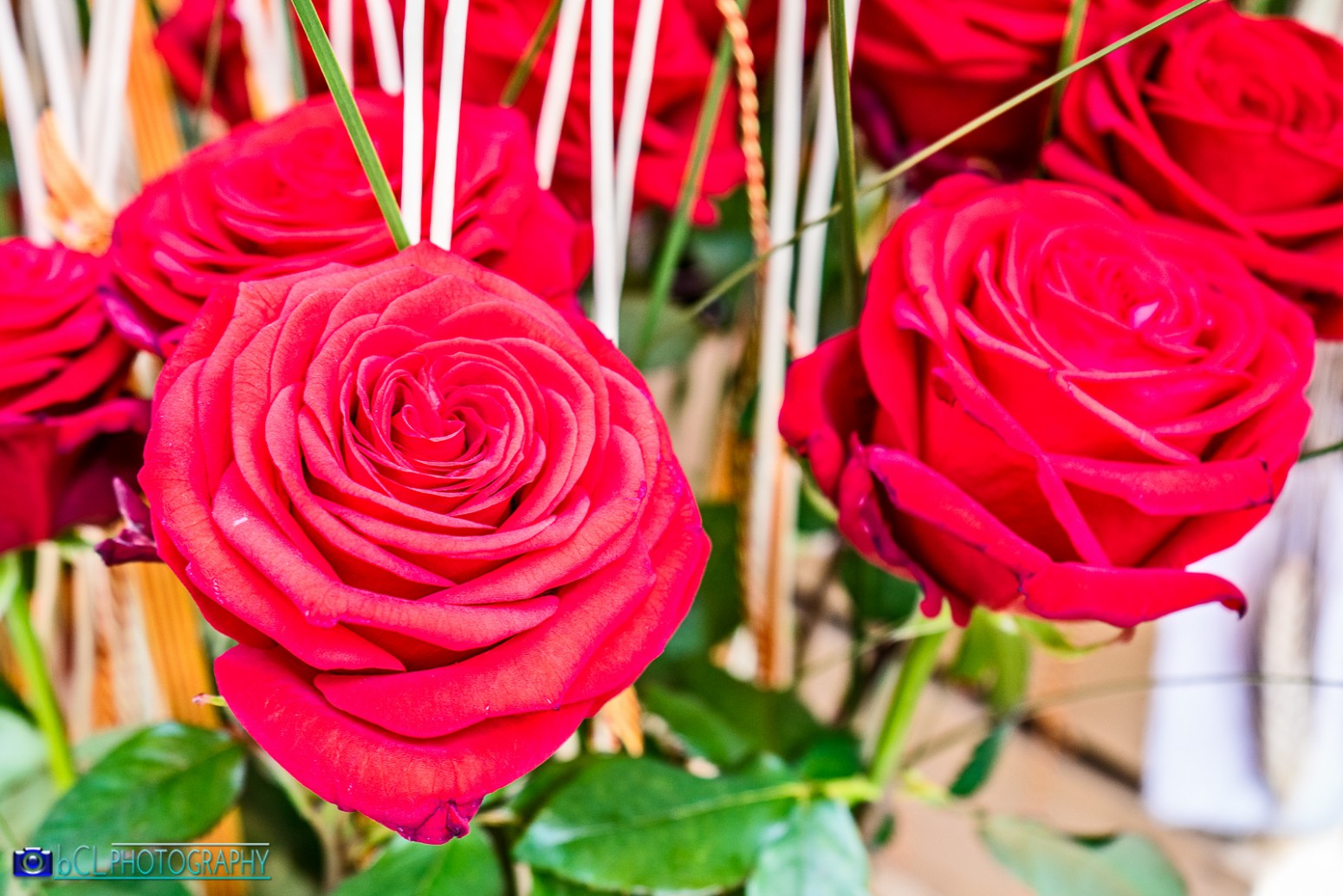
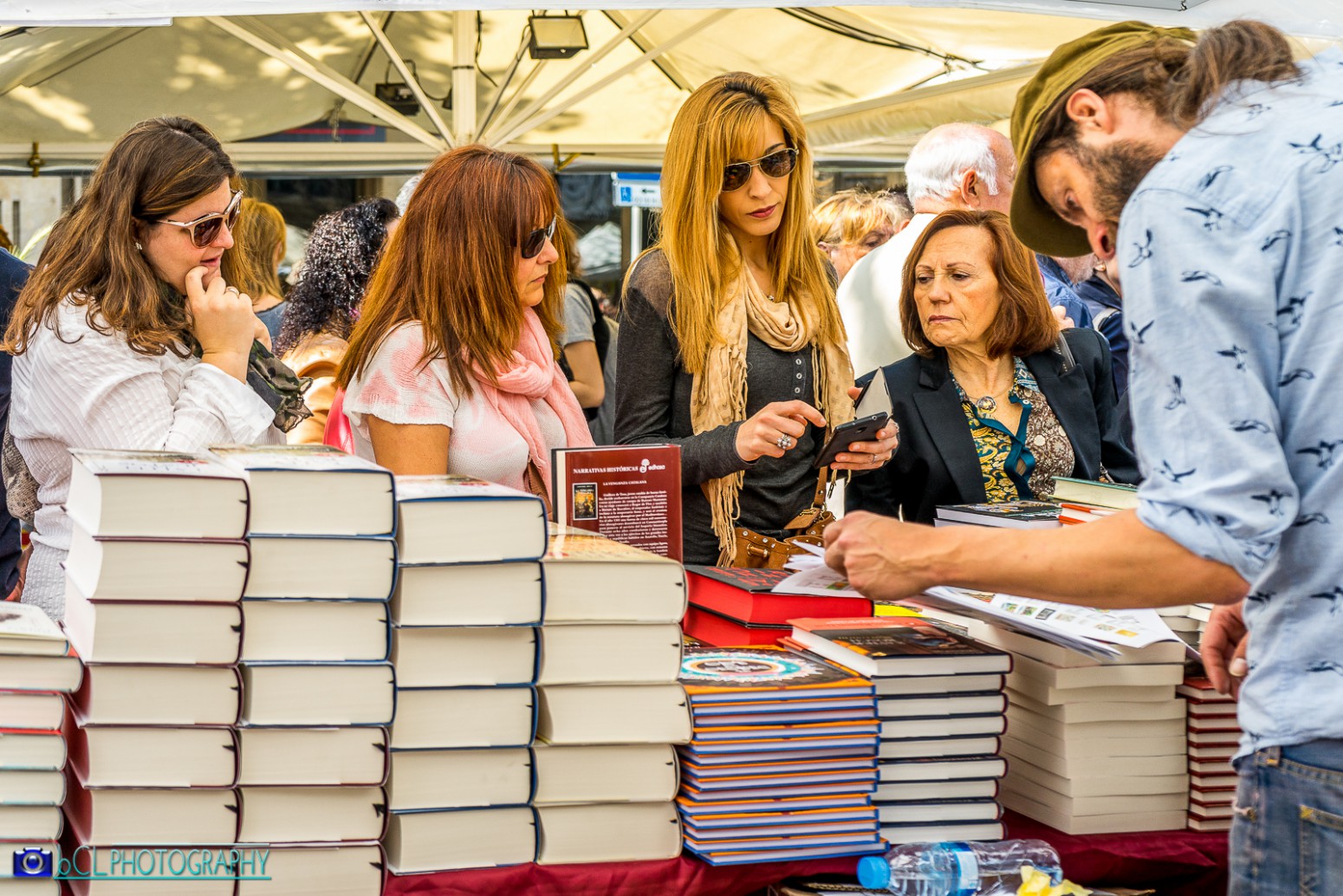
La Diada de Sant Jordi (Saint George’s Day), also known as El Dia de la Rosa (The Day of the Rose) or El Dia del Llibre (The Day of the Book) is a Catalan holiday held on 23 April, with similarities to Valentine’s Day and some unique twists that reflect the antiquity of the celebrations. The main event is the exchange of gifts between sweethearts, loved ones and colleagues. Historically, men gave women roses, and women gave men a book to celebrate the occasion — “a rose for love and a book forever.” In modern times, the mutual exchange of books is also customary. Roses have been associated with this day since medieval times, but the giving of books is a more recent tradition originating in 1923, when a bookseller started to promote the holiday as a way to commemorate the nearly simultaneous deaths of Miguel Cervantes and William Shakespeare on 23 April 1616. Barcelona is the publishing capital of both Catalan and Spanish languages and the combination of love and literacy was quickly adopted.

La Rambla. St. George’s Day
In Barcelona’s most visited street, La Rambla, and all over Catalonia, thousands of stands of roses and makeshift bookstalls are set up for the occasion. By the end of the day, some four million roses and 800,000 books will have been purchased. Most women will carry a rose in hand, and half of the total yearly book sales in Catalonia take place on this occasion.

Roses

Books. St. George’s Day
The sardana, the national dance of Catalonia, is performed throughout the day in the Plaça Sant Jaume in Barcelona. Many book stores and cafes host readings by authors (including 24-hour marathon readings of different classics of Catalan literature or Spanish literature). Street performers and musicians in public squares add to the day’s atmosphere.

Bookstore. La Rambla. St. George’s Day
Bookstore. La Rambla. St. George’s Day

Women with her Rose
23 April is also one of only three days a year when the Palau de la Generalitat, Barcelona’s principal government building, is open to the public. The interior is decorated with roses to honour Saint George.
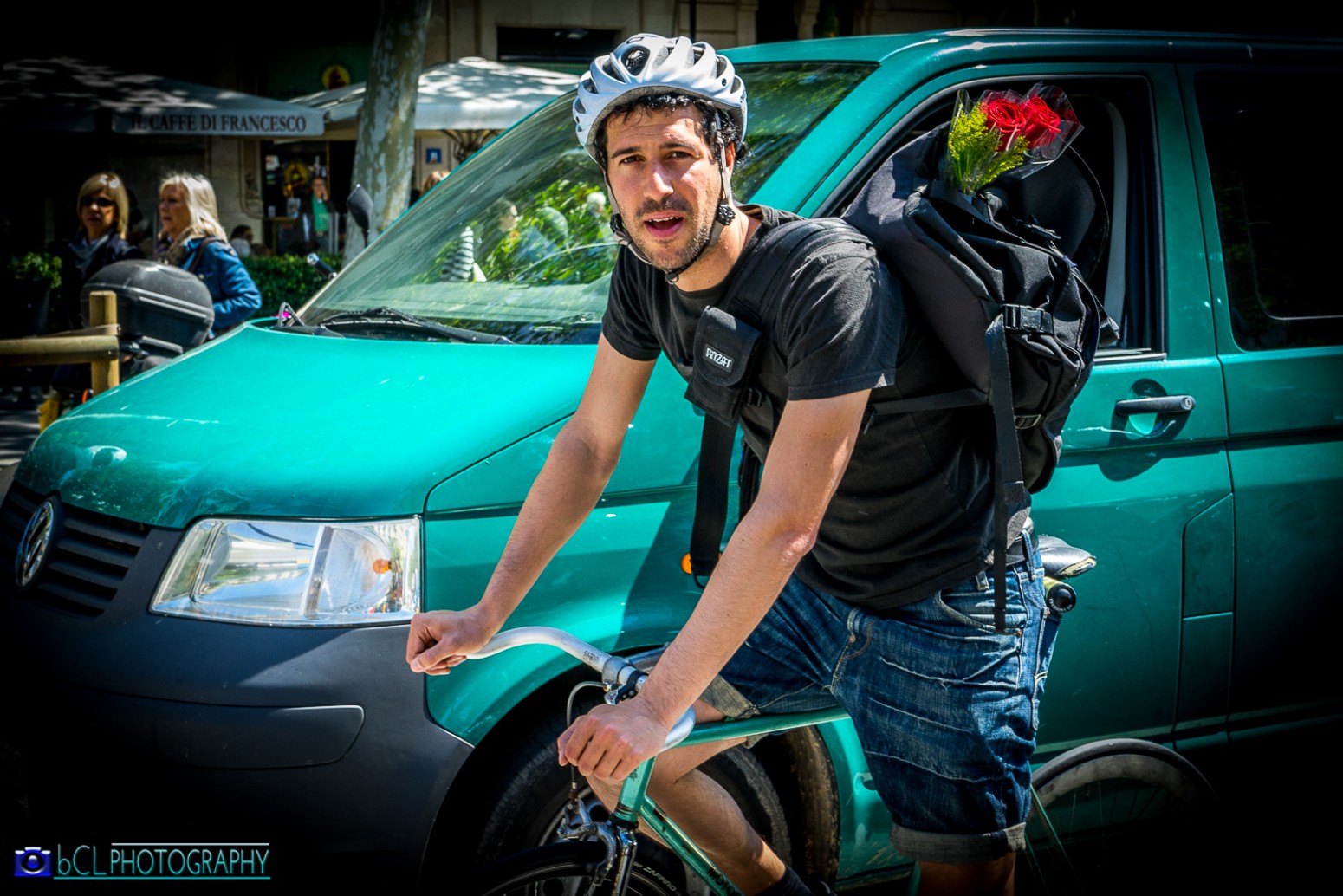
Bringing the rose to his girl

A girl with her rose

A bookseller advising customers
23 April is also one of only three days a year when the Palau de la Generalitat, Barcelona’s principal government building, is open to the public. The interior is decorated with roses to honour Saint George.
More info: Wikipedia

Rose

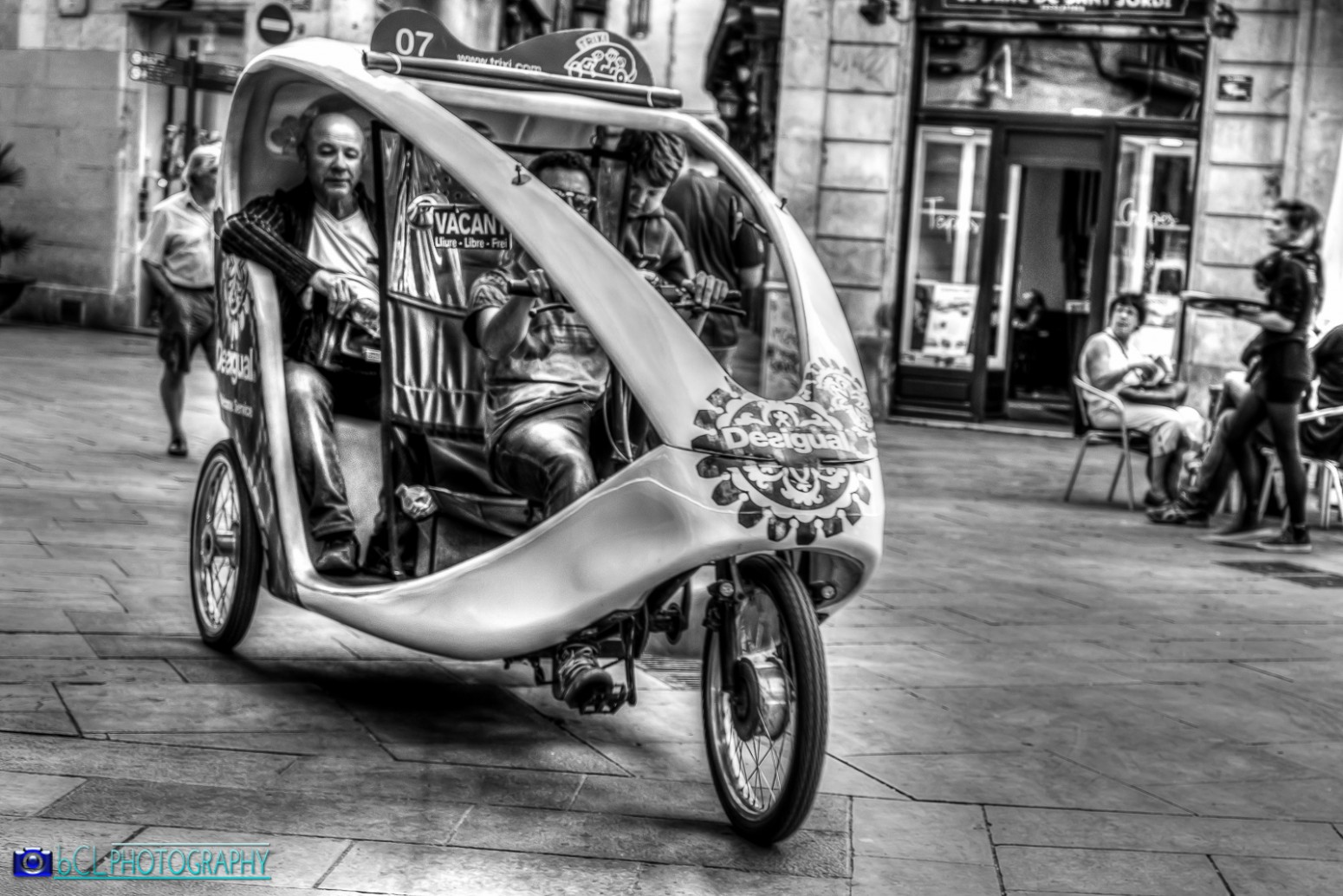
Tricycle
This afternoon, walking around my city I have come across this tricycle used to carry passengers on a for hire basis. It is an ecological system to explore the city. I thought it would be good idea to share.
This is the Second Post of the Five Photos, Five Stories Challenge.
Tricycle
A tricycle, often abbreviated to trike, is a three-wheeled passenger vehicle, usually carrying a single rider.
Human-powered trikes are powered by pedals or hand cranks. There are also motorized tricycles.
In the developing world, particularly Africa and Asia, tricycles tend to be used for commercial purposes: such as “pedicabs” for transport passengers, and freight trikes for making deliveries. In the West adult-sized tricycles are used primarily for recreation, shopping, and exercise.
The cycle rickshaw is a small-scale local means of transport; it is also known by a variety of other names such as bike taxi, velotaxi, pedicab, bikecab, cyclo, beca, becak, trisikad, or trishaw.
As opposed to rickshaws pulled by a person on foot, cycle rickshaws are human-powered by pedaling. Another type of rickshaw is the auto rickshaw.
They are a type of tricycle designed to carry passengers on a for hire basis. Cycle rickshaws are widely used in major cities around the world, but most commonly in cities of South, Southeast and East Asia.
More info: Wikipedia
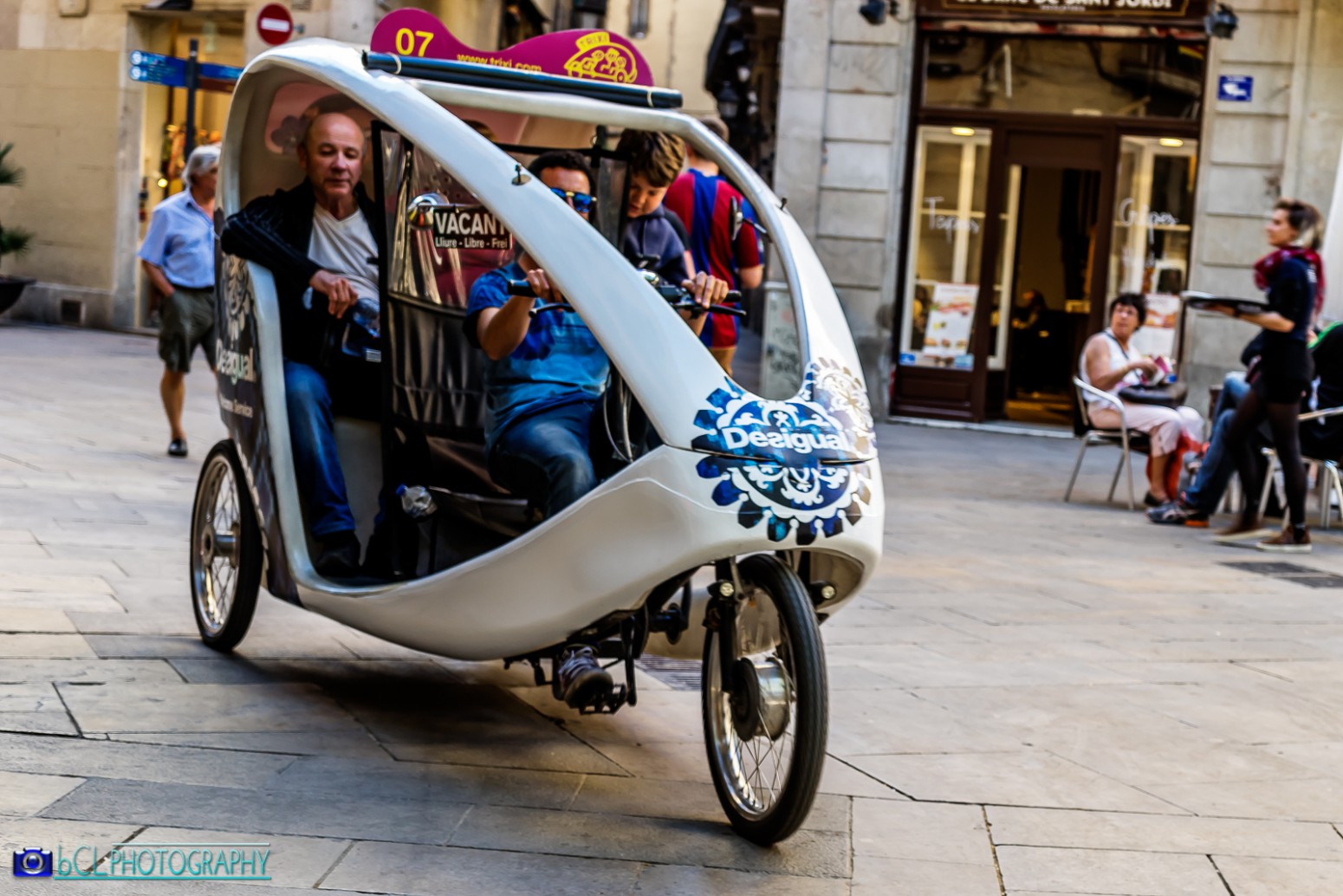
Tricycle
















 bCL Photography