



time for love
Harsh and cold
autumn holds to it our naked trees:
If only you would free, at least, the sparrows
from the tips of your fingers
and release a smile, a small smile
from the imprisoned cry I see.
Sing! Can we sing
as if we were light, hand in hand
sheltered in shade, under a strong sun?
Will you remain, this way
stoking the fire, more beautiful than necessary, and quiet?
Darkness intensifies
and the distant light is our only consolation —
that one, which from the beginning
has, little by little, been flickering
and is now about to go out.
Come to me. Closer and closer.
I don’t want to know my hand from yours.
And let’s beware of sleep, lest the snow smother us.
Distant light
by Walid Khazindar
Walid Khazindar was born in 1950 in Gaza City. He is considered one of the best Palestinian poets; his poetry has been said to be “characterized by metaphoric originality and a novel thematic approach unprecedented in Arabic poetry.” He was awarded the first Palestine Prize for Poetry in 1997.
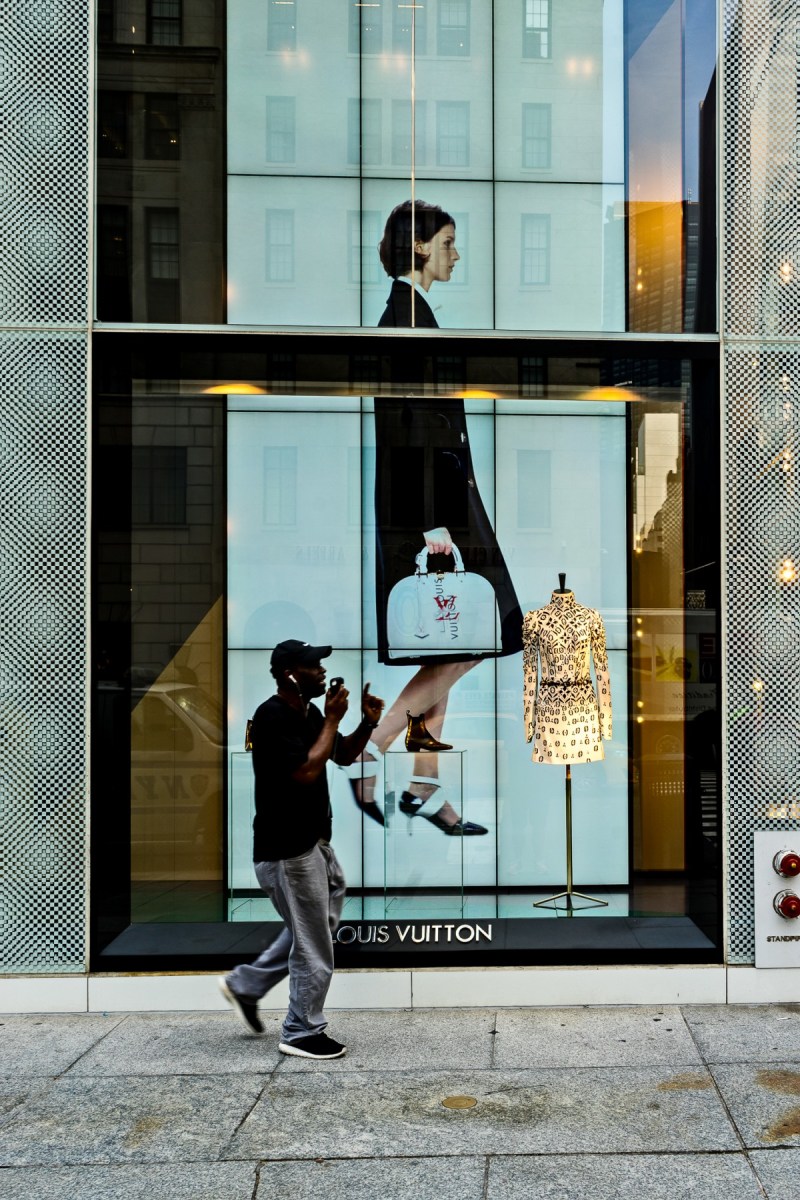
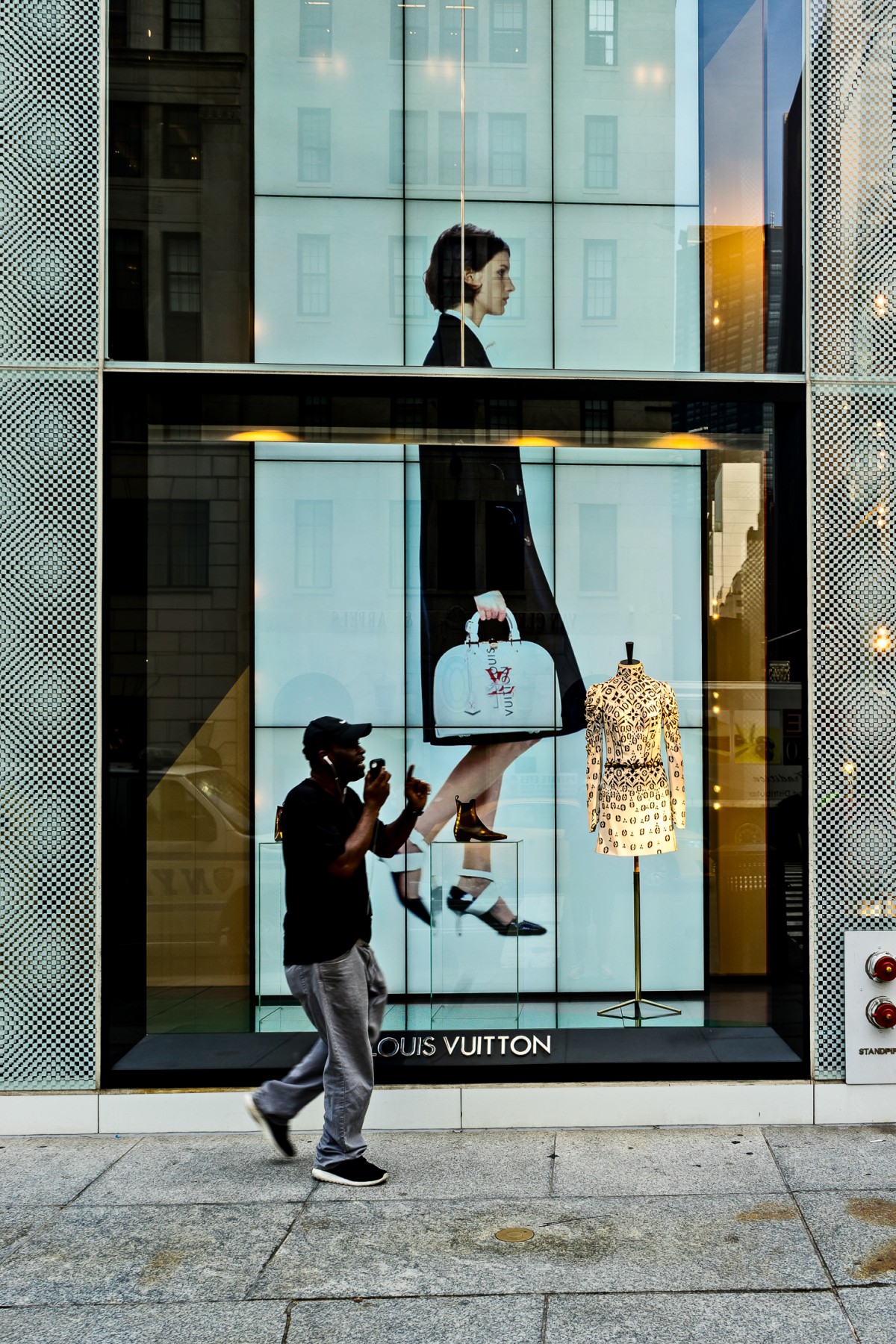
Let’s go!
This photo was taken in front of the Louis Vuitton store on 5th Avenue in New York City.
Taking advantage of the post title, I leave you a beautiful dance song also titled “Let’s go”,
“Let’s Go” is a song by Scottish DJ Calvin Harris, featuring vocals from American recording artist Ne-Yo. The track was released in the United Kingdom on 22 April 2012 as the third single from Harris’s third studio album 18 Months (2012). On 29 April 2012, precisely a week after its release, “Let’s Go” debuted at number two on the UK Singles Chart for the week ending dated 5 May 2012— marking Harris’ third consecutive number two hit.
As of July 2012, the song has sold 376,000 downloads in the United States. It also appeared on the deluxe version of Ne-Yo‘s fifth studio album, R.E.D. The song received a nomination for Best Dance Recording at the 55th Grammy Awards held in February 2013.
The song was used for a Pepsi and Pepsi Max advert that features Lionel Messi, Didier Drogba, Fernando Torres, Wojciech Szczęsny, Frank Lampard, Sergio Agüero and Jack Wilshere.
More in Wikipedia


NYC Grand Central Terminal
Grand Central Terminal (GCT; also referred to as Grand Central Station or simply as Grand Central) is a commuter (and former intercity) railroad terminal at 42nd Street and Park Avenue in Midtown Manhattan in New York City, United States. Built by and named for the New York Central and Hudson River Railroad in the heyday of American long-distance passenger rail travel, it covers 48 acres (19 ha) and has 44 platforms, more than any other railroad station in the world. Its platforms, all below ground, serve 41 tracks on the upper level and 26 on the lower, though the total number of tracks along platforms and in rail yards exceeds 100.

NYC Grand Central Terminal
The terminal serves commuters traveling on the Metro-North Railroad to Westchester, Putnam, and Dutchess counties in New York State, andFairfield and New Haven counties in Connecticut. Until 1991, the terminal served Amtrak, which moved to nearby Pennsylvania Station upon completion of the Empire Connection. The East Side Access project is underway to bring Long Island Rail Road service to the terminal.

NYC Grand Central Terminal. Clock
Grand Central Terminal has intricate designs both on its inside and outside. In addition, it contains a vast interior main concourse. The terminal is one of the world’s most visited tourist attractions, with 21.9 million visitors in 2013.
Unlike other Metro-North stations, Grand Central Terminal is not owned by the Metropolitan Transportation Authority, but by a private company known as Midtown TDR Ventures.
More info: Wikipedia
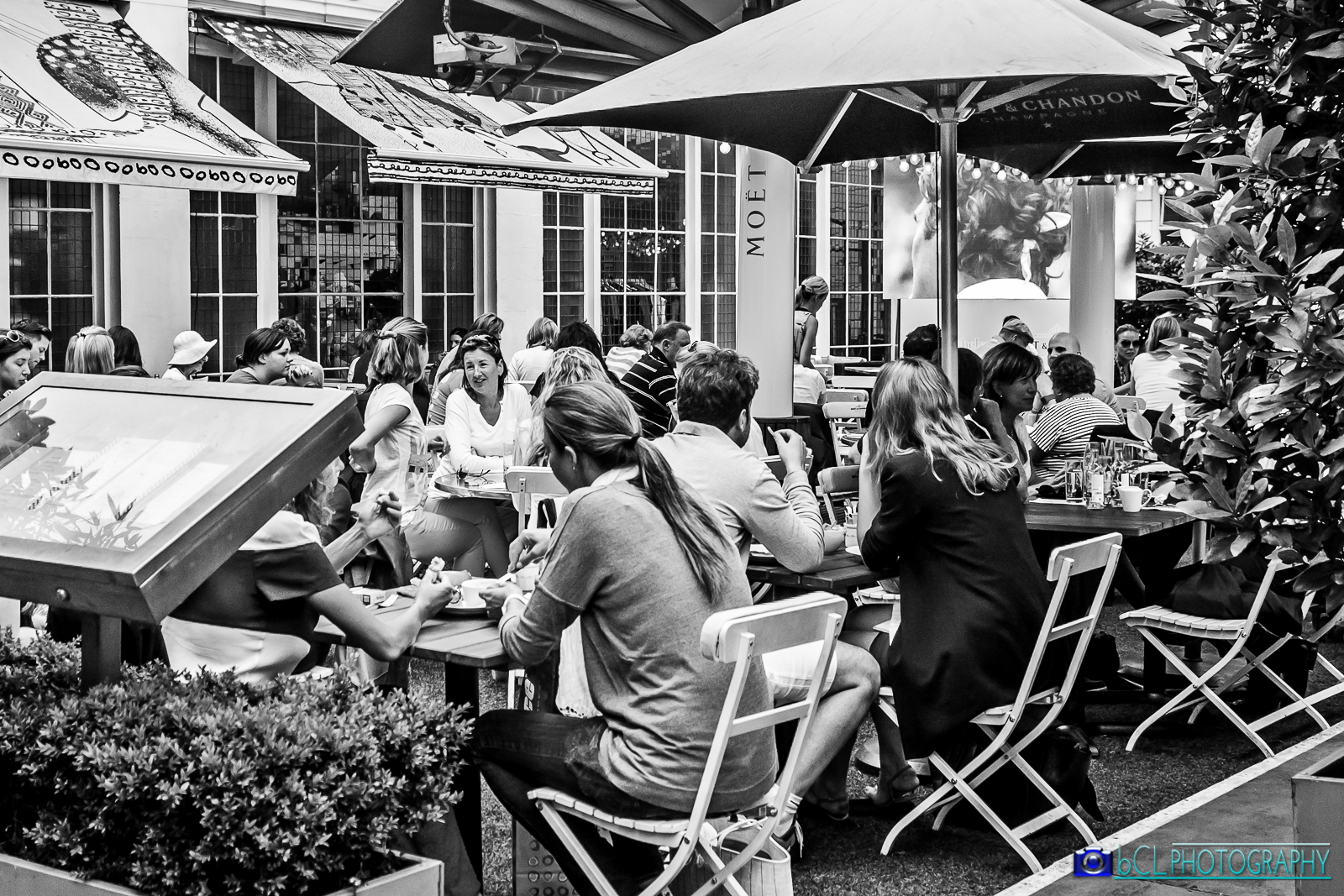

Tea time
Afternoon tea is a light meal typically eaten between 4 pm and 6 pm. Observance of the custom originated amongst the wealthy classes in England in the 1840s. Anna Maria Russell, Duchess of Bedford, is widely credited as transforming afternoon tea in England into a late-afternoon meal whilst visiting Belvoir Castle. By the end of the nineteenth century, afternoon tea developed to its current form and was observed by both the upper and middle classes. It had become ubiquitous, even in the isolated village in the fictionalised memoir Lark Rise to Candleford, where a cottager lays out what she calls a “visitor’s tea” for their landlady: “the table was laid… there were the best tea things with a fat pink rose on the side of each cup; hearts of lettuce, thin bread and butter, and the crisp little cakes that had been baked in readiness that morning.”
American afternoon tea finger foods.
For the more privileged, afternoon tea was accompanied by delicate savouries (customarily cucumber sandwiches or egg and cress sandwiches), bread and butter, possibly scones (with clotted cream and jam, as for cream tea), and usually cakes and pastries (such as Battenberg cake or Victoria sponge). The sandwiches usually have the crusts removed, and are cut into small segments, either as triangles or fingers (also known as tea sandwiches). Biscuits are not usually served.
Nowadays, a formal afternoon tea is more of a special occasion, taken as a treat in a hotel. The food is often served on a tiered stand; there may be no sandwiches, but bread or scones with butter or margarine and optional jam or other spread, or toast, muffins or crumpets. Afternoon tea as a treat may be supplemented with a glass of Champagne or a similar alcoholic drink.
A less formal establishment is known as a tearoom, similar to a coffee shop. These used to be common in the UK, but these establishments have declined in popularity since World War II. A.B.C. tea shops and Lyons Corner Houses were successful chains of such establishments, and played a role in opening up possibilities for Victorian women.
A tea party is a social gathering around this meal – not to be confused with the Boston Tea Party, an incident at the beginning of the American Revolution, or the modern political party named after it.
More in Wikipedia.


Spare towels
This is my contribution to this Week Photo Challenge: Spare
During one of my walks around the city, with camera in hand, I walked into a store that unfortunately no longer exists. Among other things, it caught my attention these colorful shelves. Dozens of towels of different colors, all correctly positioned. I think here are really plenty of spare towels.
I’ve always been interested in geometrically distributed collections of objects and I thought these shelves well deserved a photo.




Do you want to talk to my snake?
Tell me wise but I never would bring a snake into my house. If you decide otherwise you should first follow the advice of Pet Snakes.
Before you even think of bringing a snake home you need to know as much as you can about them…
At minimum you want to be able to answer basic questions like these:
- How big will it get?
- How big of a cage does it need?
- What does it eat?
- Do snakes have any diseases?
- Does it need special lighting or heating?
- How much will the snake and everything else cost?
The point isn’t to know just answers to a few generic questions but to know as much as you possibly can.
Extracted from “Convincing your family about a pet snake” by Pet Snakes who says about them: “We are just a few like-minded folks who enjoy learning about and discussing snakes. We love all reptiles, but the purpose of our blog is to focus on snakes”.


Stairway to heaven
“Stairway to Heaven” is a song by the English rock band Led Zeppelin. It was composed by guitarist Jimmy Page and vocalist Robert Plant for the band’s fourth unnamed studio album, (see Led Zeppelin IV (1971)). The song was voted #3 in 2000 by VH1 on their list of the 100 Greatest Rock Songs. It was the most requested song on FM radio stations in the United States in the 1970s, despite never having been released as a single there. In November 2007, through download sales promoting Led Zeppelin’s Mothership release, “Stairway to Heaven” hit #37 on the UK Singles Chart.
“Stairway to Heaven“
There’s a lady who’s sure all that glitters is gold
And she’s buying a stairway to heaven.
When she gets there she knows, if the stores are all closed
With a word she can get what she came for.
Ooh, ooh, and she’s buying a stairway to heaven.
There’s a sign on the wall but she wants to be sure
’cause you know sometimes words have two meanings.
In a tree by the brook, there’s a songbird who sings,
Sometimes all of our thoughts are misgiven.
Ooh, it makes me wonder,
Ooh, it makes me wonder.
There’s a feeling I get when I look to the west,
And my spirit is crying for leaving.
In my thoughts I have seen rings of smoke through the trees,
And the voices of those who stand looking.
Ooh, it makes me wonder,
Ooh, it really makes me wonder.
And it’s whispered that soon if we all call the tune
Then the piper will lead us to reason.
And a new day will dawn for those who stand long
And the forests will echo with laughter.
If there’s a bustle in your hedgerow, don’t be alarmed now,
It’s just a spring clean for the may queen.
Yes, there are two paths you can go by, but in the long run
There’s still time to change the road you’re on.
And it makes me wonder.
Your head is humming and it won’t go, in case you don’t know,
The piper’s calling you to join him,
Dear lady, can you hear the wind blow, and did you know
Your stairway lies on the whispering wind.
And as we wind on down the road
Our shadows taller than our soul.
There walks a lady we all know
Who shines white light and wants to show
How everything still turns to gold.
And if you listen very hard
The tune will come to you at last.
When all are one and one is all
To be a rock and not to roll.
And she’s buying a stairway to heaven



Broken man
There are hints of a past life, a possibly known identity for the Broken man. However, pretty much everything here is speculative in nature. We are mere observers.
The Broken man carries a briefcase of unknown content. Perhaps the answer is within.
His face reveals much more than suffering. Anyway his eyes forward thinking, tells us that he does not want to desist in his efforts, despite his precarius situation…
This is my contribution to this Week Photo Challenge: Face

Broken man. Complete body (?!)
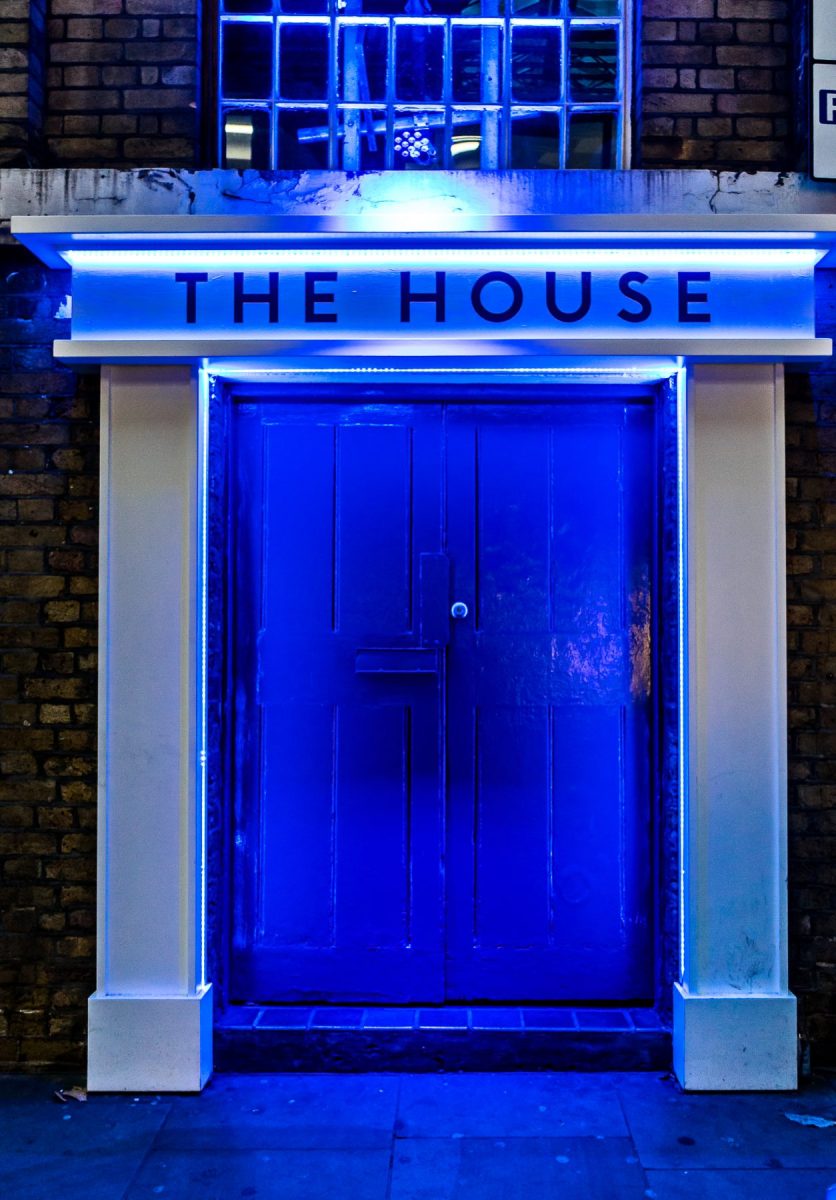
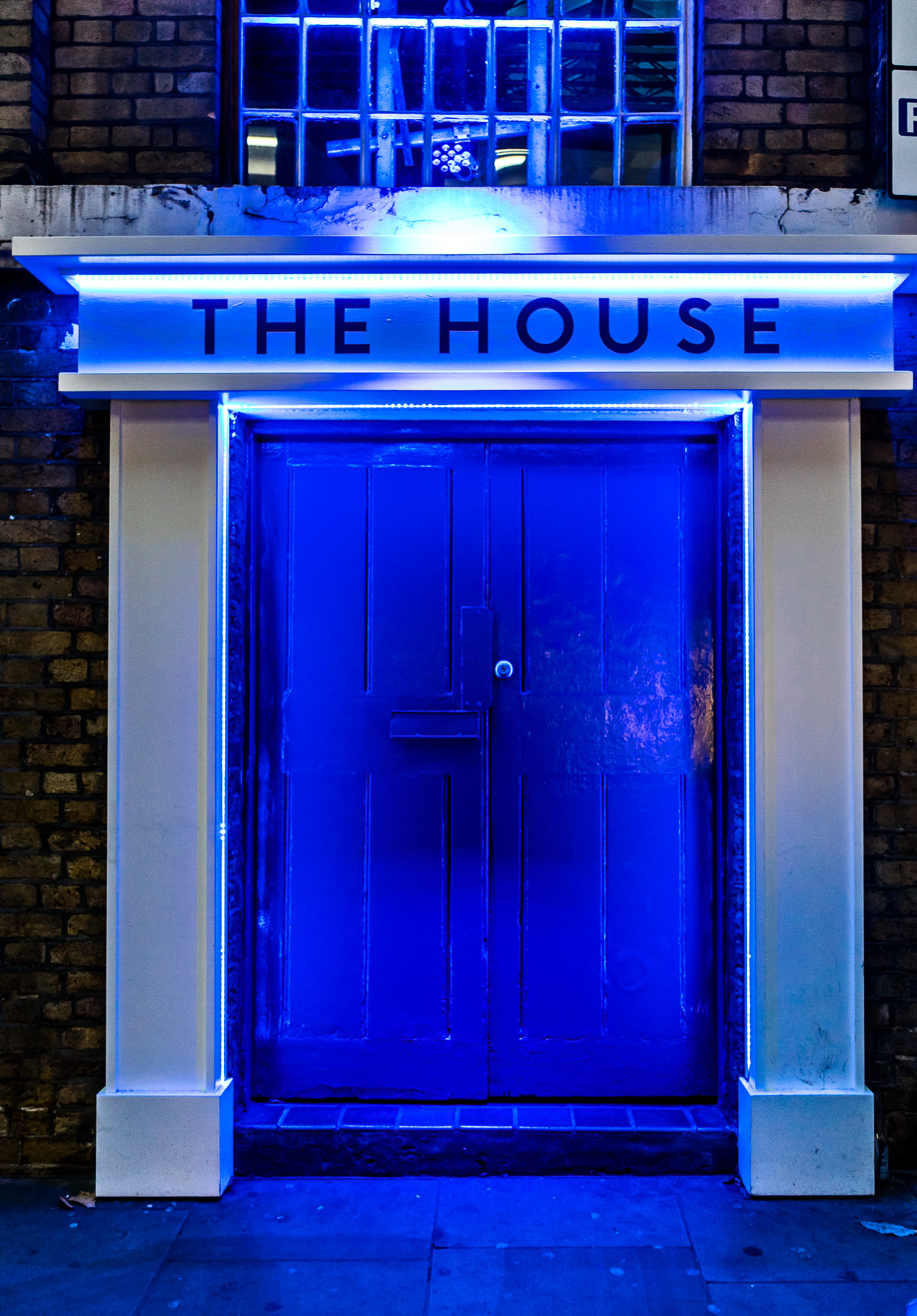
The House of Peroni
Here is my entry for this week Norm’s Thursday Doors Challenge.
The House of Peroni, in the Shoreditch district in London is a taste of life in Italian style. It is themed around For the Love of Italy (‘AMARE L’ITALIA’) and will offer guests a taste of Italian style to savour.
Guests will have a selection of italian dining options each day. The House of Peroni Residency have a fully stocked Italian deli selling the best Italian cured meats, cheeses, freshly made pasta and sauces to be consumed on site or to taken home.
Also their drinks reflect the daily rituals and beauty of life in his home in Lake Como.
A diverse programme of ticketed events has been curated by the Residency Masters, which will take guests on a multi-sensory journey of Italian sights, smells and tastes.
Thanks to Norm Frampton for hosting this excellent challenge.


Montserrat. Catalonia.
Weekly Photo Challenge. Earth
I liked the words of this Weekly Challenge: “As far as we currently know, our planet is unique in its ability to sustain life. We are an island in an unimaginably huge universe… I have always regarded nature with reverence…”.
In my opinion, our planet deserves all our respect. We live by what the Earth offers to us. It is extremely unwise to continue mistreating our planet. Our future and, above all, those who succeed us, depends on it.

Montserrat. Catalonia.
Montserrat is a multi-peaked mountain located near the city of Barcelona, in Catalonia. It is part of the Catalan Pre-Coastal Range. The Caribbean island of Montserrat was named by Christopher Columbus after the mountain.
It is well known as the site of the Benedictine abbey, Santa Maria de Montserrat, which hosts the Virgin of Montserrat sanctuary and which is identified by some with the location of the Holy Grail in Arthurian myth.
“Montserrat” literally means “saw (serrated, like the common handsaw) mountain” in Catalan. It describes its peculiar aspect with multitude of rock formations which are visible from a great distance. The mountain is composed of strikingly pink conglomerate, a form of sedimentary rock.

Montserrat. Catalonia.


Jackson Pollock. One: Number 31, 1950
This is one of three wall-size paintings that Jackson Pollock made in the summer and autumn of 1950. He began by laying canvas on the floor and pouring, dribbling, and flicking enamel paint onto the surface, sometimes straight from the can or with sticks and stiffened brushes. He put holes in the bottom of paint cans, squeezed paint from a tube, and even used a turkey baster or stiff brush. The density of interlacing liquid threads of paint is balanced and offset by puddles of muted colors and byallover spattering. The pictorial result of this tension is a landmark in the history of Abstract Expressionism.
As he did for all his “drip” paintings, Pollock painted this work from above, with the canvas lying flat on the floor. “On the floor I am more at ease,” he said. “I feel nearer, more a part of the painting since this way I can walk around it, work from the four sides and literally be in the painting.” Begun approximately three years after his first work in this style, One: Number 31, 1950 is evidence of the artist’s technical prowess. Calligraphic, looping cords of color animate and energize every inch of the composition, which seems to expand visually despite its enormous size.


















 bCL Photography