
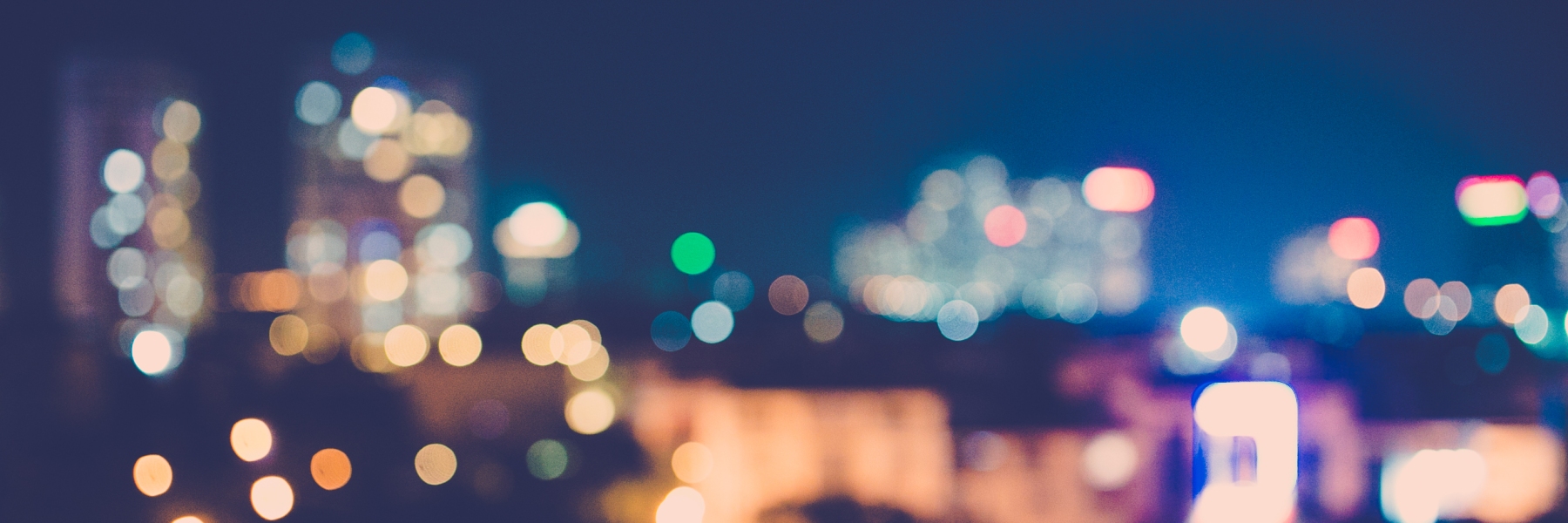


Port Vell. Barcelona. Night view
This is my last photo for this magnificent challenge. Triumph and Contrast
Thank you to Photo101 for the course. It has been a busy month but I would start again. And thanks to all the participants for their support, I learned a lot with all.

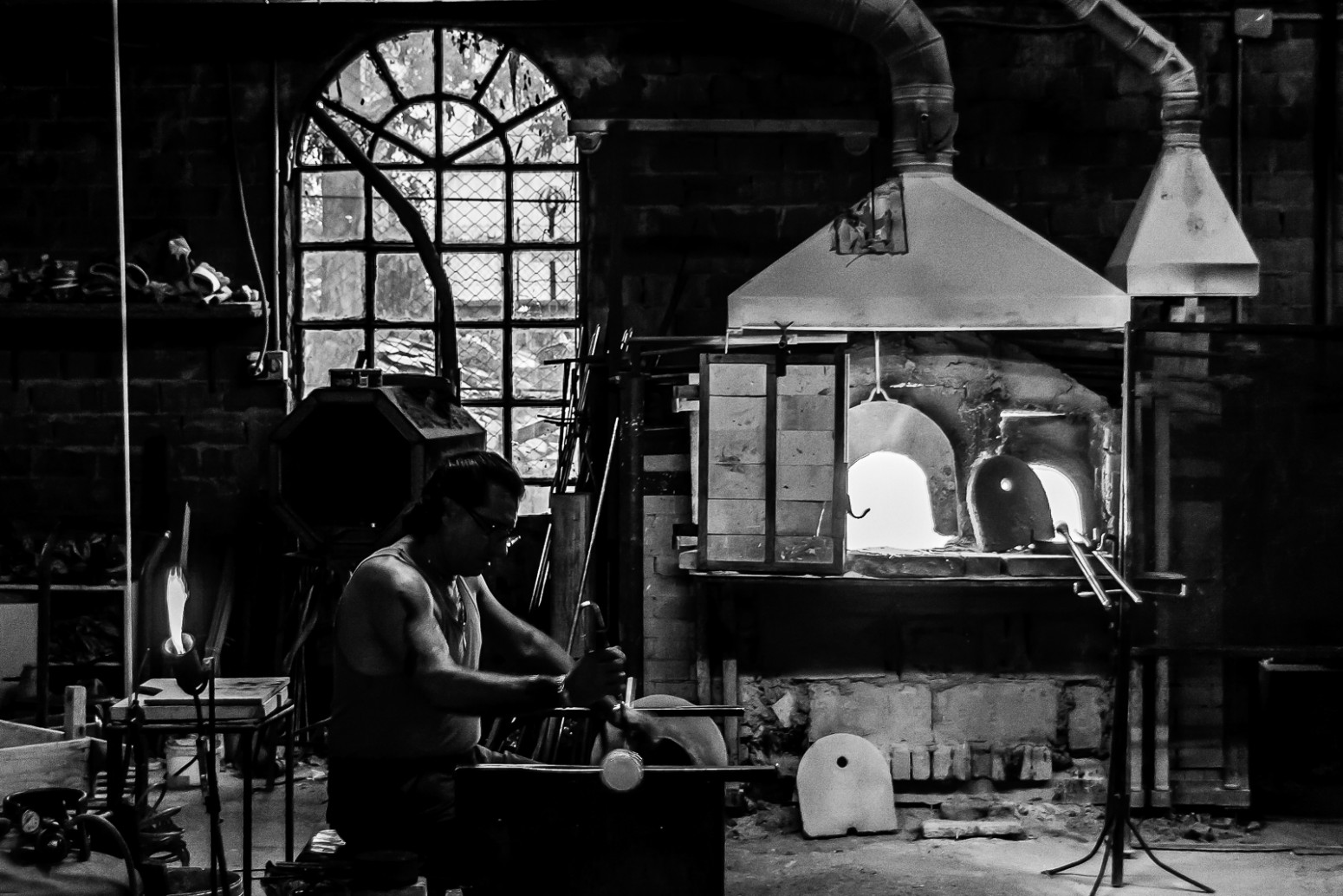
Murano glass worker
Murano glass is glass made on the Venetian island of Murano, which has specialized in fancy glasswares for centuries. Murano’s glassmakers led Europe for centuries, developing or refining many technologies including crystalline glass, enamelled glass (smalto), glass with threads of gold (aventurine), multicolored glass (millefiori), milk glass (lattimo), and imitation gemstones made of glass. Today, the artisans of Murano are still employing these centuries-old techniques, crafting everything from contemporary art glass and glass figurines to Murano glass chandeliers and wine stoppers, as well as tourist souvenirs.
Today, Murano is home to a vast number of factories and a few individual artists’ studios making all manner of glass objects from mass marketed stemware to original sculpture. The Museo del Vetro (Glass Museum) in the Palazzo Giustinian houses displays on the history of glassmaking as well as glass samples ranging from Egyptian times through the present day.
Here I have used different treatments to edit the B&W photographies:

Murano glass worker
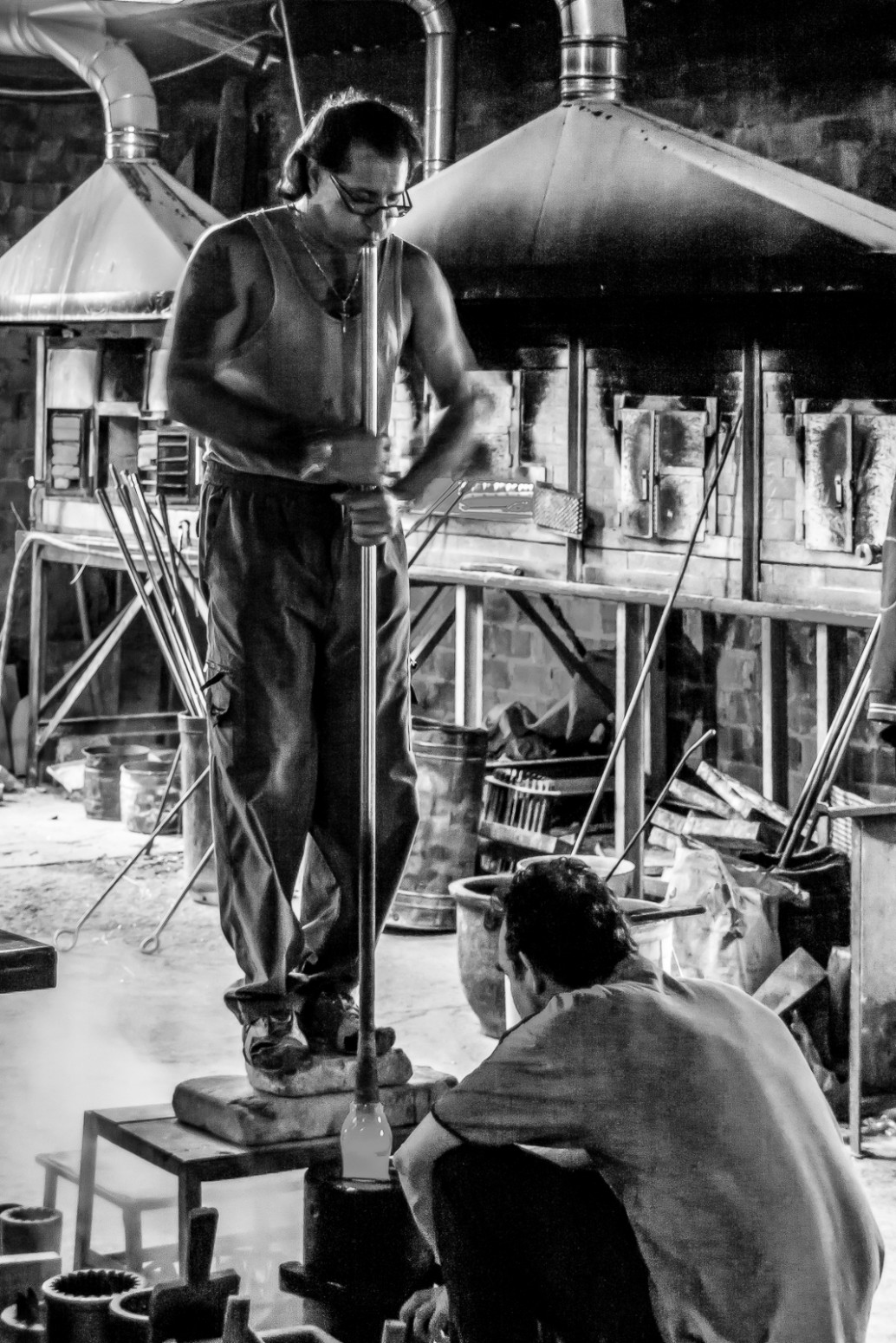
Murano glass workers

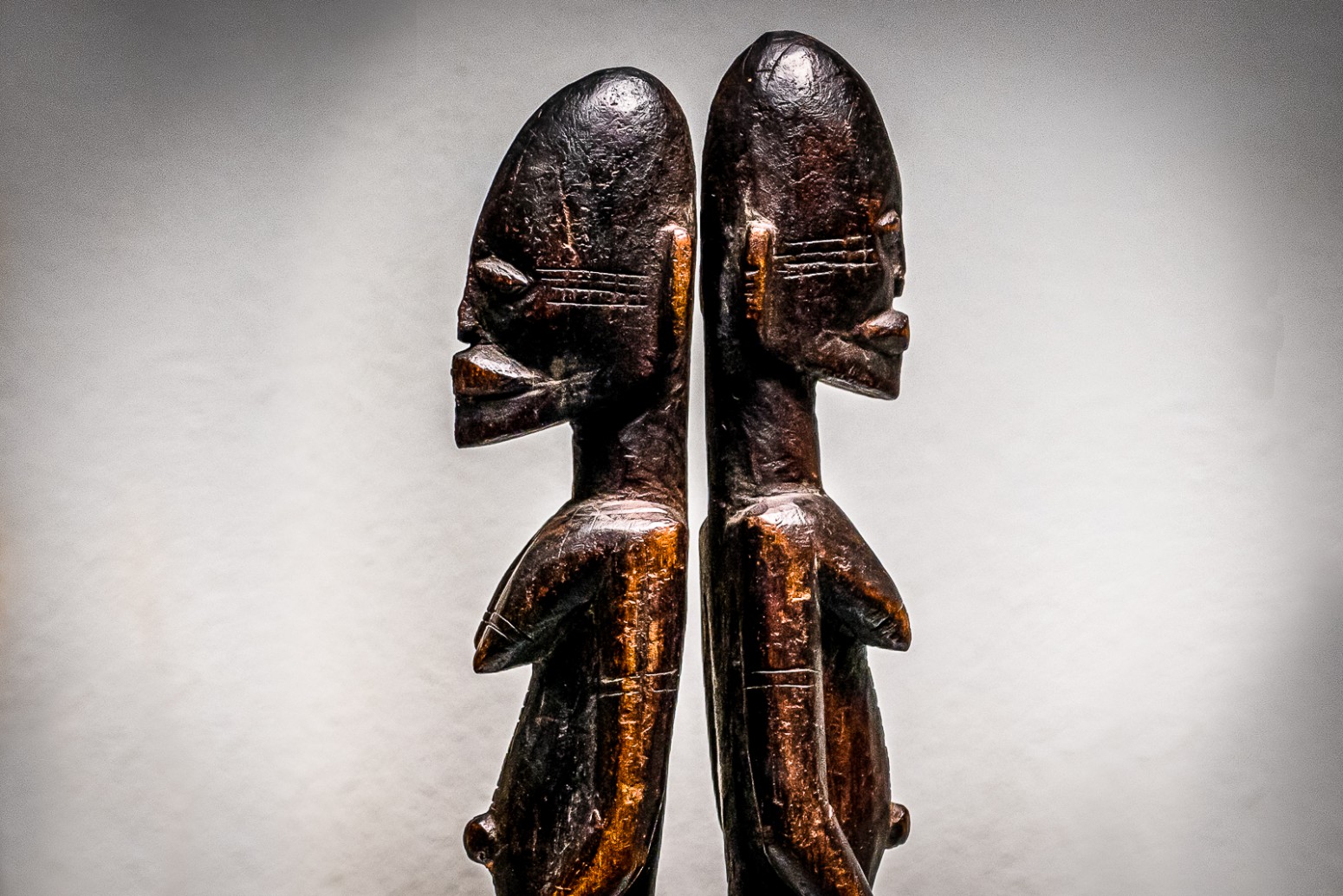
Double anthropomorphic figure, dege
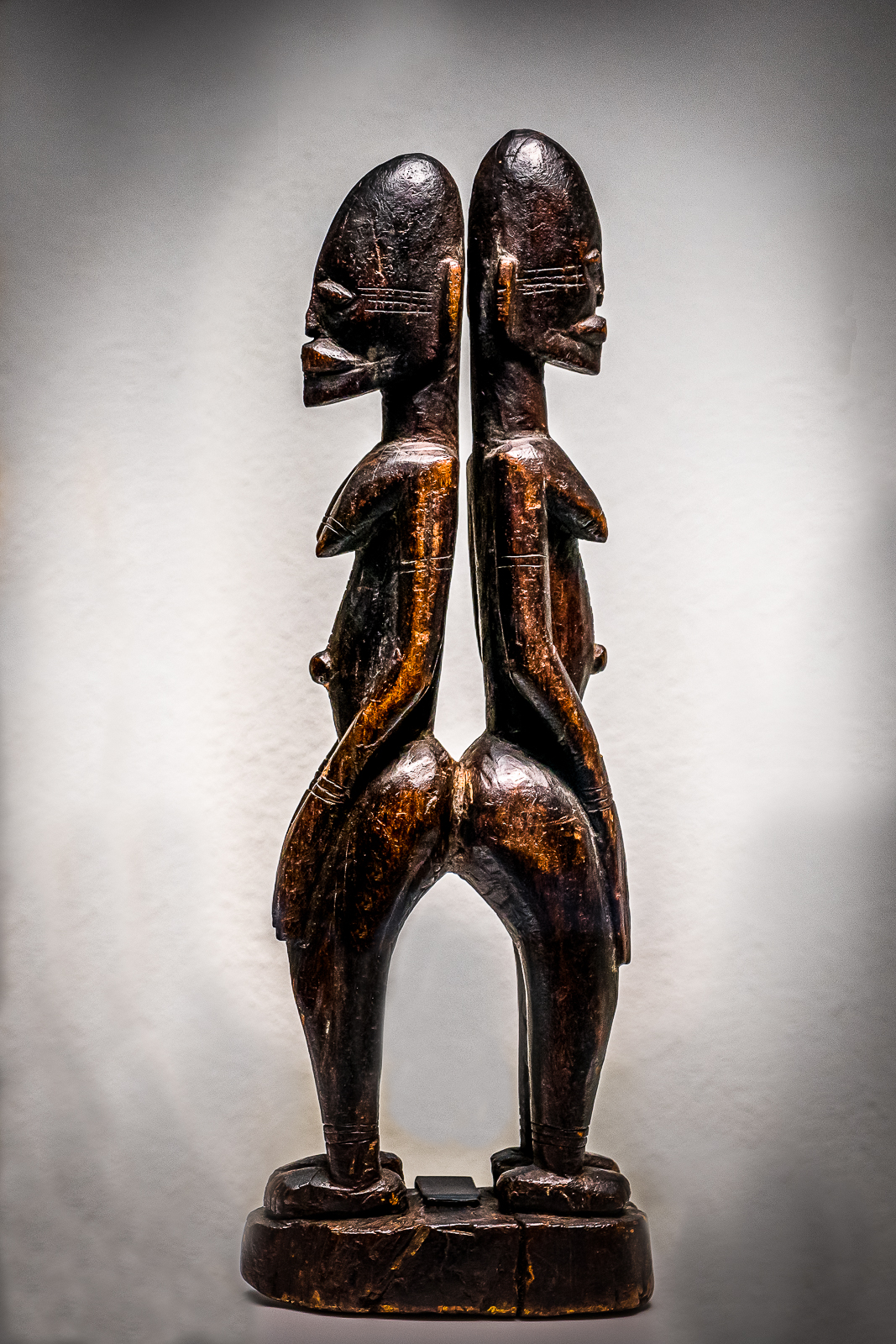
Double anthropomorphic figure, dege
Day Nineteen: Double & Rotation. Double can be interpreted in many ways. This is mine…
Ritual object for personal or ancestors worship.
Original (vernacular) name: dege. Culture: Dogon. Provenance: Mali (Africa).
Late 19th – early 20th century. Wood (plant material).
Folch collection. Museu de Cultures del Món (Museum of World Cultures)
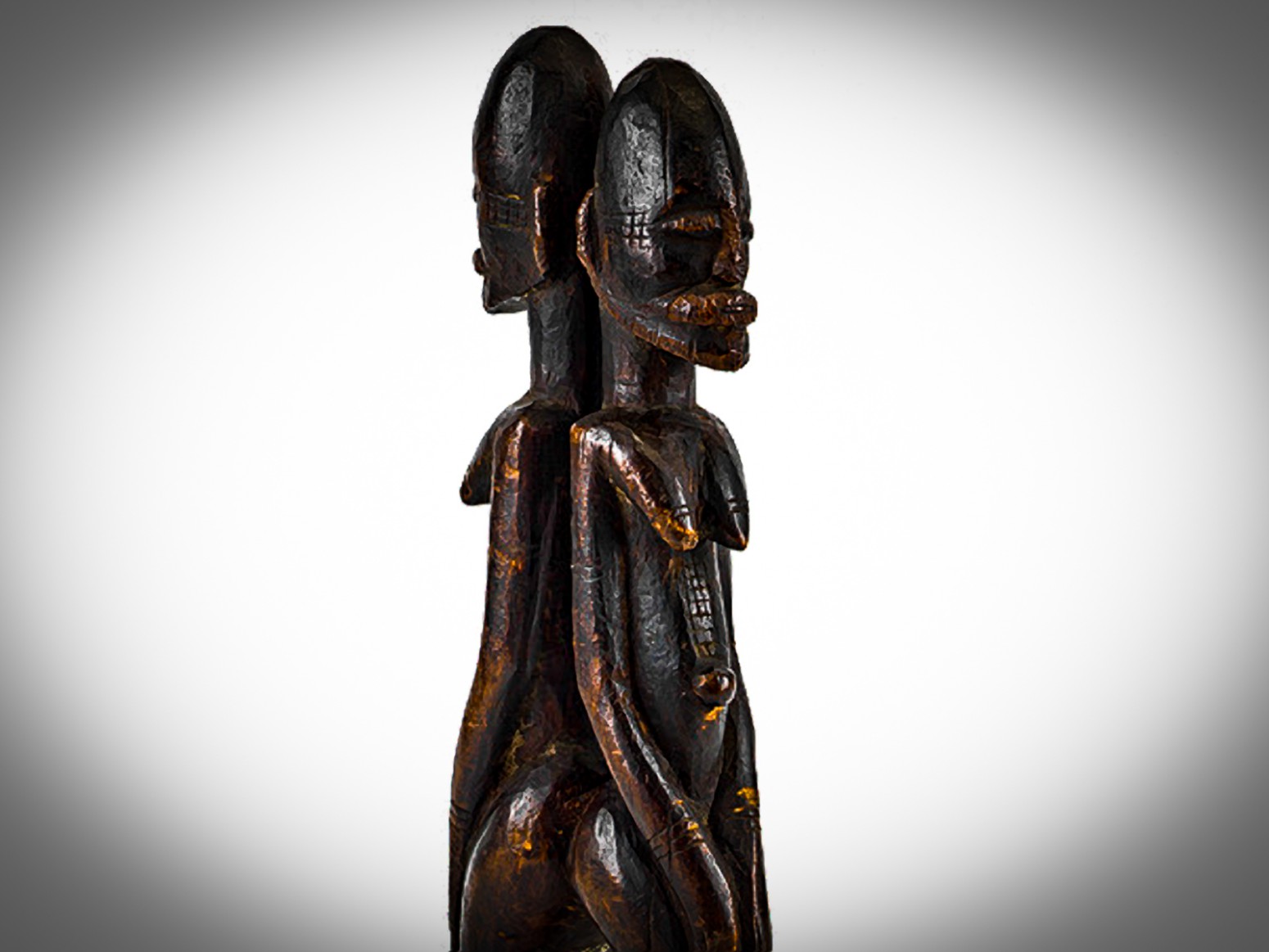
Double anthropomorphic figure, dege


Bahnhof Potsdamer Platz. Berlin
Berlin Potsdamer Platz is a railway station in Berlin. It is completely underground and situated underneath the Potsdamer Platz in central Berlin. Regional and S-Bahn services call at the station.
The first station at Potsdamer Platz was the Potsdamer Bahnhof terminus, which was closed on 27 September 1945 due to war damage. The S-Bahn station, situated in the Nord-Süd-Tunnel, was situated directly under the Berlin Wall and became a ghost station between 1961 and 1989.
The station was extensively remodeled and rebuilt in the 1990s.


Berlin bridge
Day Eighteen: Edge & Alignment
This is my point of view of the “edge challenge”.
This is a bridge seen in Berlin.


quiet evening walk
B&W Photo 5-Day Challenge – Day 1
I was nominated for this challenge by guenbt from “Together and apart no more 96, living life to the fullest“.
I’m very busy these days but I couldn’t reject his invitation…
This is a shot I took down at the Castelldefels beach (Barcelona) two days ago.
For Day One I challenge Taylor Vincent from The Darkroom Neerd. I really love her photos (and she is superb with B&W) and would love to see more of her work.
So Taylor, you’re up next! 5 B&W photos for 5 days (one photo a day). And don’t forget to nominate a fellow blogger. Enjoy!
There is no pressure to accept this challenge, but I know you’ll enjoy doing it. After all it is for fun…
Thank you very much
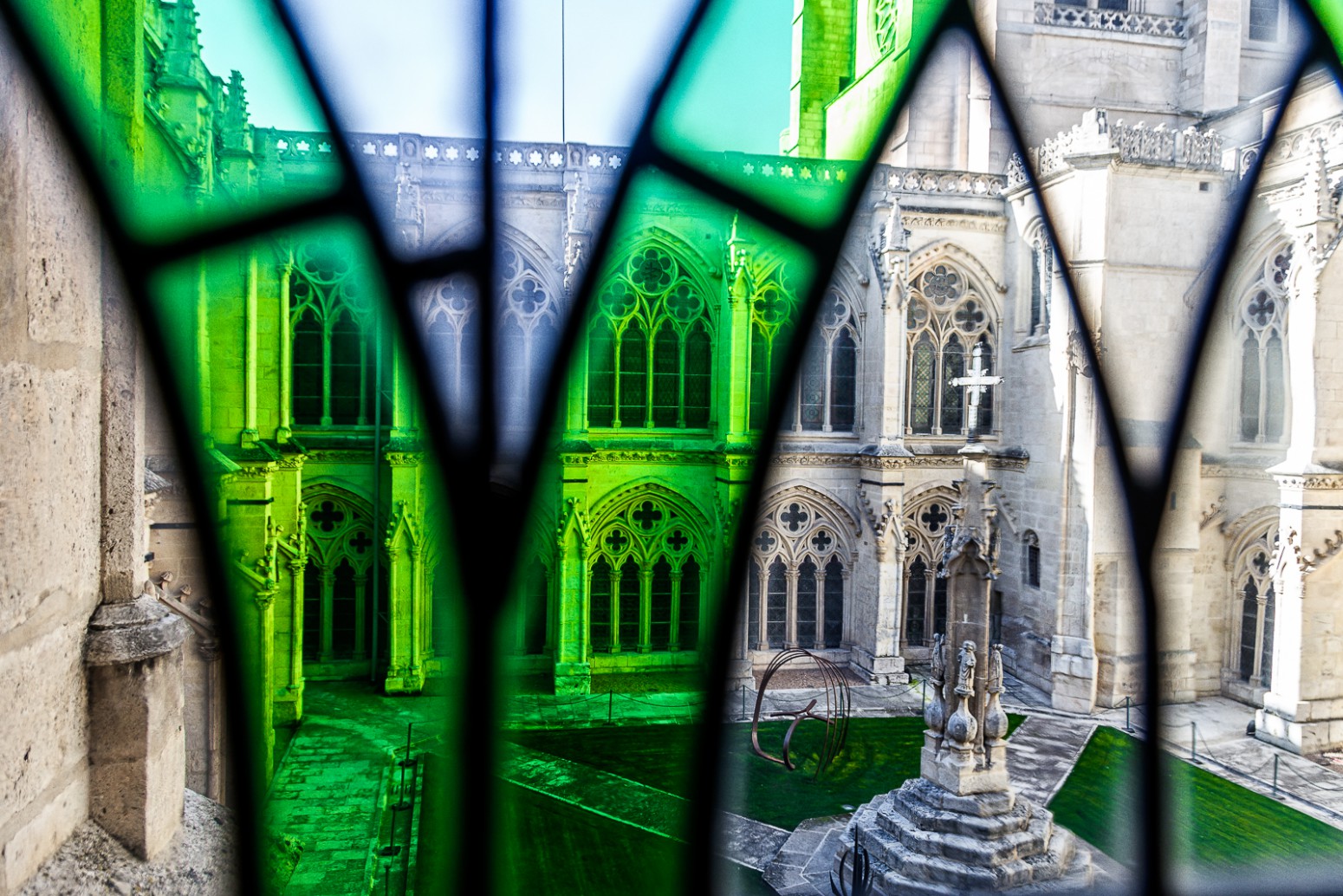
Burgos Cathedral through glass
This is a view of a courtyard of the Cathedral of Burgos through a stained glass.
Burgos Cathedral is a Gothic-style Roman Catholic cathedral in Burgos, Spain. It is dedicated to the Virgin Maryand is famous for its vast size and unique architecture. Its construction began in 1221 and it was in use as a church nine years later but work continued off and on until 1567. It was primarily built in the French Gothic style, although Renaissance style works were added in the 15th and 16th centuries.
The cathedral was declared a World Heritage Site by UNESCO on October 31, 1984. It is the only Spanish cathedral that has this distinction independently, without being joined to the historic center of a city (as in Salamanca, Santiago de Compostela, Ávila, Córdoba, Toledo, Alcalá de Henares or Cuenca) or in union with other buildings, as in Seville. It is similar in design to Brussels Cathedral
.
Another view:
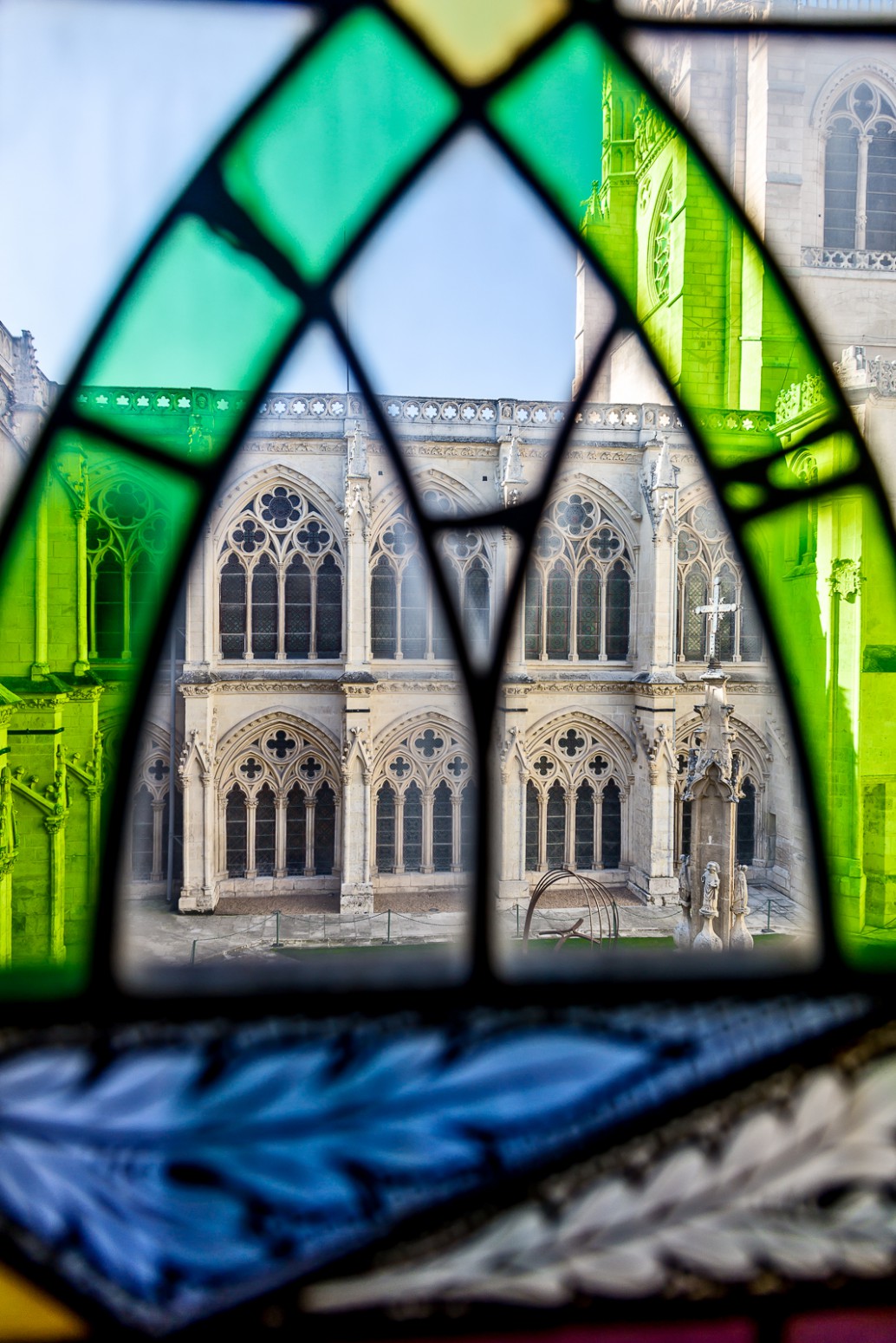
Burgos Cathedral

Burgos Cathedral

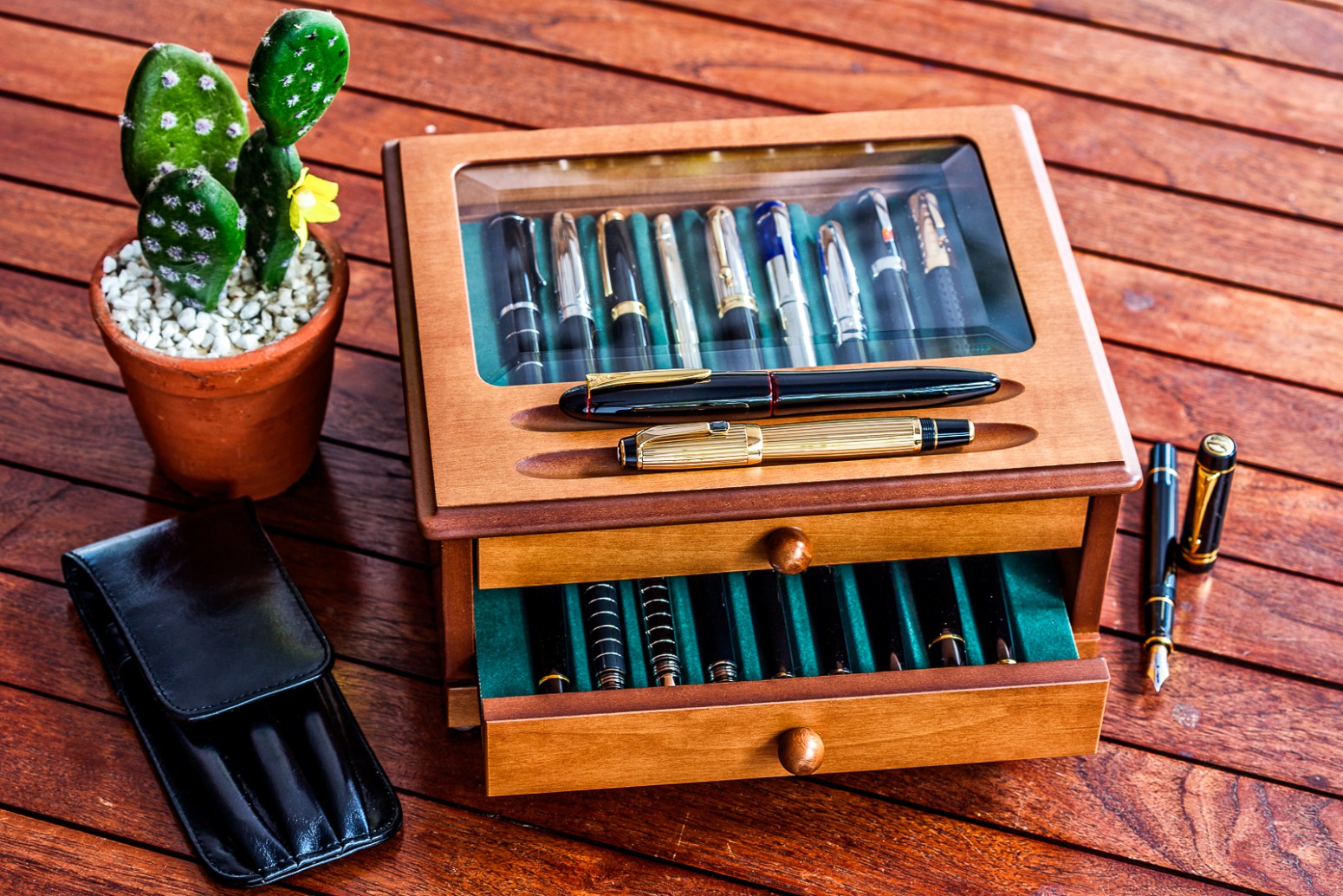
Fountain pens
Any object or experience that is deeply meaningful can be a treasure. One of my treasures, in addition to photography, are fountain pens. Here I present a small sample.
A fountain pen is a nib pen that, unlike its predecessor, the dip pen, contains an internal reservoir of water-based liquid ink. The pen draws ink from the reservoir, through a feed, to the nib and deposits it on paper via a combination of gravity and capillary action.
Filling the reservoir with ink may be achieved manually (via the use of a Pasteur pipette or syringe), or via an internal filling mechanism which creates suction (for example, through a piston mechanism) to transfer ink directly through the nib into the reservoir. Some pens employ removable reservoirs in the form of pre-filled ink cartridges. A fountain pen needs little or no pressure on the nib to write. World Fountain Pen Day is celebrated on the first Friday of November every year by the lovers of fountain pens.
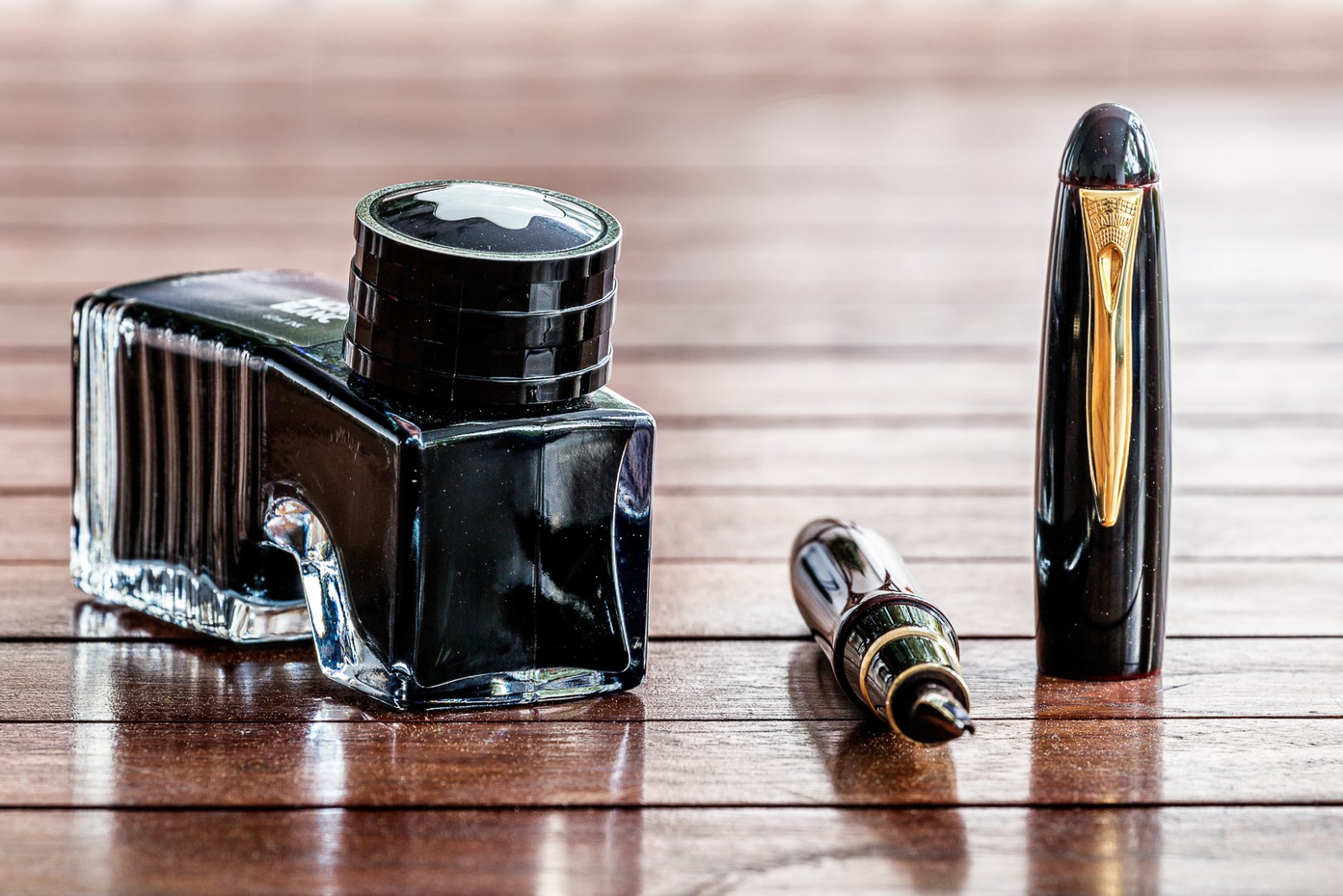
Japanese fountain pen



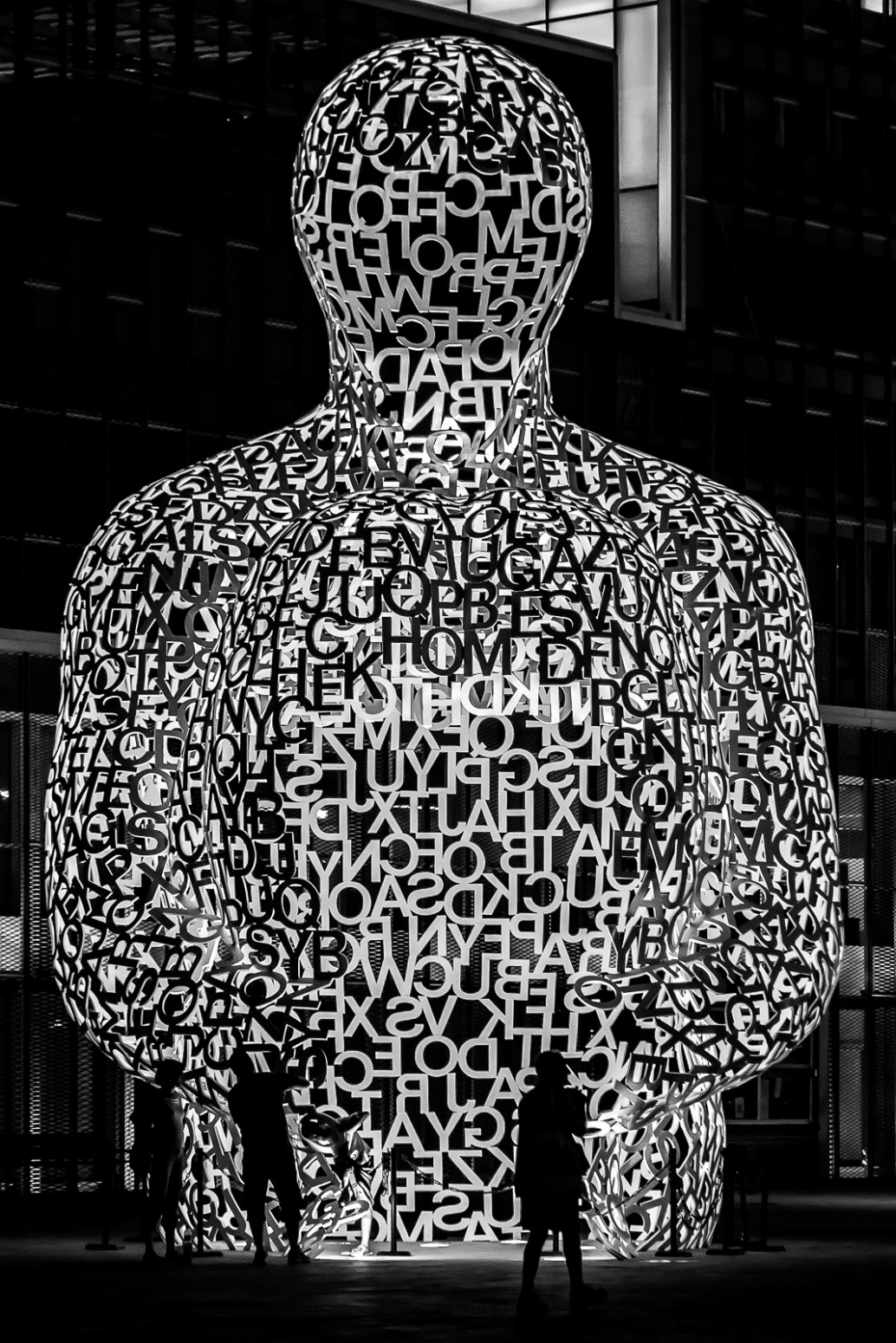
Soul of the Ebro
Today we play with scale: we use human silhouettes to help convey size in this image.
The Soul of the Ebro (El alma del Ebro) was created by Jaume Plensa i Suñé Read More
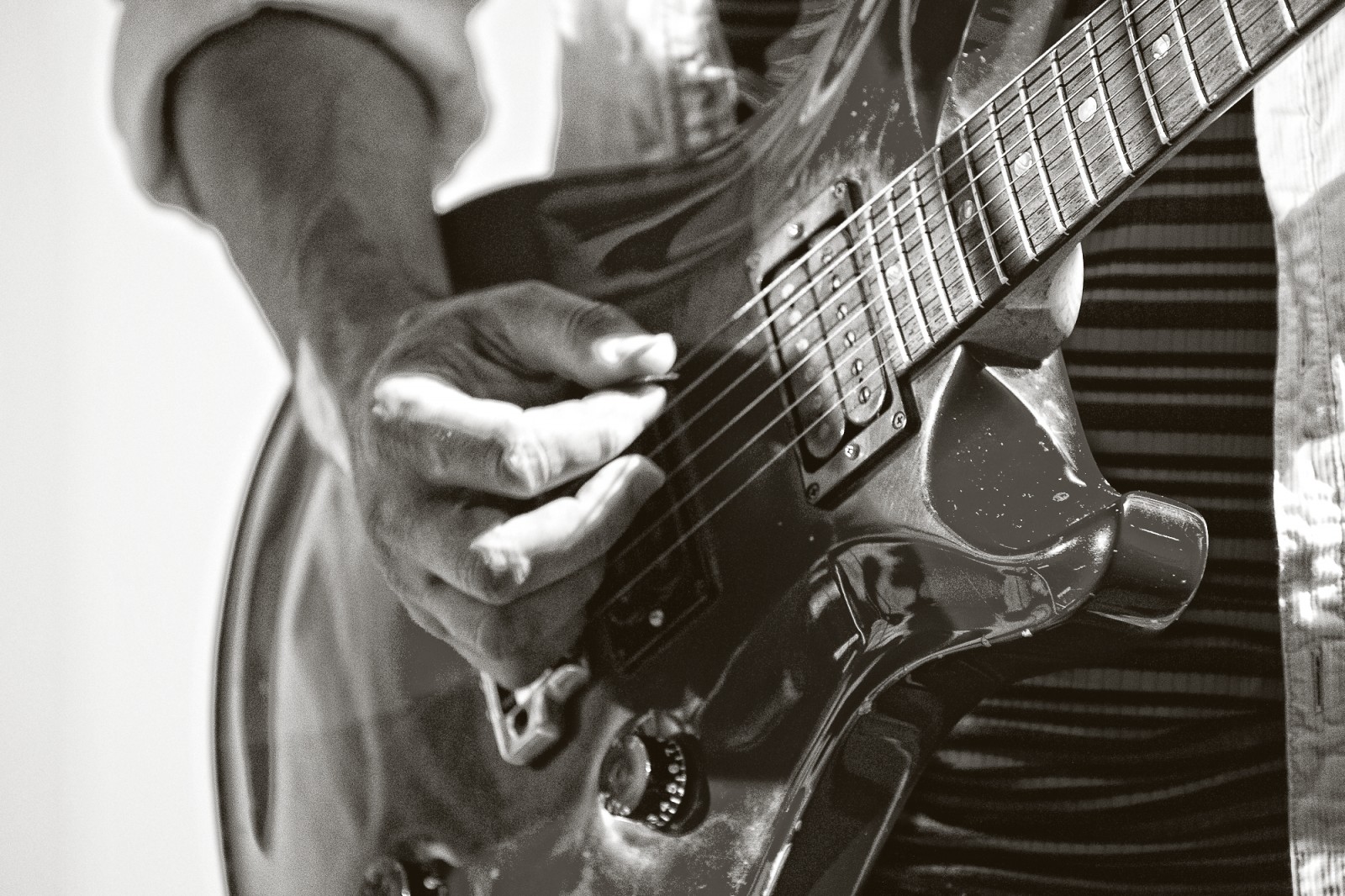

guitar

Selected post to be featured on Cee’s Black & White Photography Challenge.
The guitar is a popular musical instrument classified as a string instrument Reed more!















 bCL Photography